End of Year Super Solar Smart Home Upgrade

End Of Year Super Solar Special

Get Solar For No Money Down & No Money Out of Pocket

W/ Smart Home Upgrade Included

Henery-After

This is a limited time offer! Ends on Cyber Monday!

Act Now and Recieve these Smart Home Upgrades

To receive this offer simply mention it to your solar consultant

Included:

Nest Thermostat – Ring Central Door Bell – Alexa Echo – IPad

Over $1000 of Free Upgrades

Nest-Blue-300x300IPad_Air_2_Wikipedia-230x274
vb-9d075248bd0d80680364b53258e11a01-350x278FS-ra-125x85._CB515626475_

Emerald Sun Energy is a Solar Company located in Orlando Florida serving all of Central Florida from coast to coast. We are the most complete service in the market offering reliable solar energy solutions that take your unique needs into account. We look out for your interest as if they were our own. This is highlighted by our Production Guarantee, Subprime rate financing options, and 5 stars rated on Google. You will be happy that you chose Emerald Sun Energy as your solar power company.
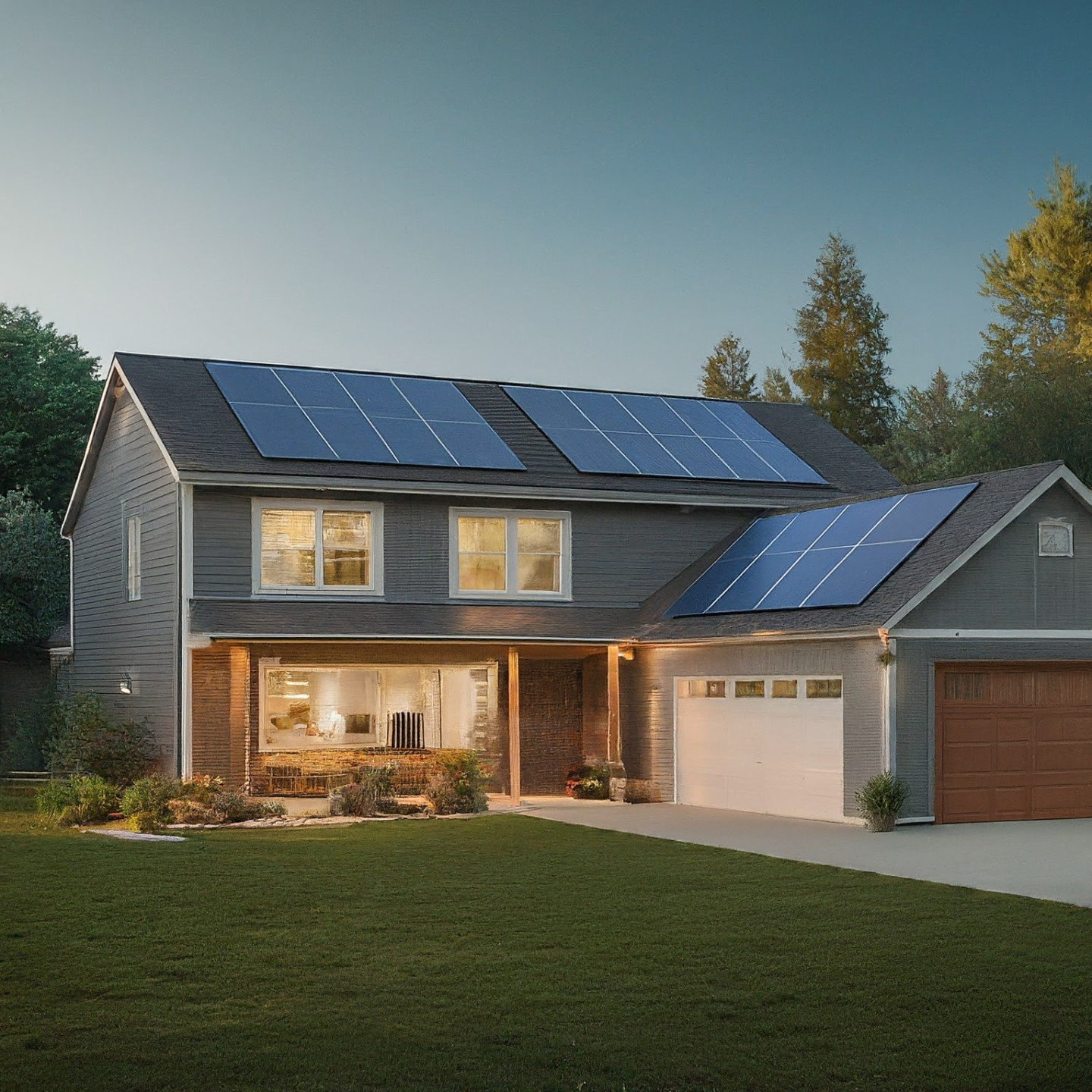
Can I Really Get Solar Energy for $0 Down & $0 Out of Pocket

You Can Get Solar Energy For No Money Down and No Money Out of Pocket, but it’s not free.

In this article, we are going to dive into what exactly $0 Down $0 Out of Pocket means in regards to adding solar panels to your home.  If you are shopping for solar panels in Orlando or Florida then you have inevitably have heard the Phrase “Get Solar Energy for $0 Down and $0 Out of Pocket”.  This claim is designed to get you excited about adding an energy efficient product without any money involved. That might be where there begin to be some confusions. Here are some simple explanations to this statement as well as some guidelines to follow to get your best deal on solar panels.

Check out other great videos to help you understand more about solar energy and Solar Companies Youtube – Emerald Sun Energy Channel

What does $0 Down (NO Money Down) mean? First off it is NOT FREE.  You are buying something. However, if you are able to qualify for available financing then there is No Money Down as the entire purchase can be funded because many of the financing options available for solar companies do not require any money down.  Hence the entire solar project will be funded by the financing company.

What does $0 Out oF Pocket (No Money Out of Pocket) mean? This statement may be the one that causes the most confusion because it often leads people to believe that it is free.  Again it is NOT FREE, you are buying something. However, if you qualify for available funding it is true that you will have $0 Out of Pocket. The easiest way to understand this is to look at the example below.  What it points out is purchasing a solar panel system for your home will not affect your budget. Meaning you can use the money you already are paying the power company to instead pay for your solar power system that will improve your home’s value and convert a variable expense (power bill) into a profitable asset (solar panel system).  In most cases, you will actually be cash positive depending on which financing option you choose. So you can purchase your system with the money you already spend because your solar panel financing payment will be less than the amount of money you save on your power bill by switching to solar.

What do I need to do to qualify for this solar program?  Simply call Emerald Sun Energy a local Florida Solar Company located in Orlando and serving all of Central Florida, We will first do a customized energy consumption analysis to determine the size of the solar panels system you need.  We will then draw out a solar panel spec drawing so you can see how the panels will look on your roof. Then you can choose the financing option that best meets your needs and fill out the online instant approval application, we will have a decision within minutes of application.  The basic qualifiers are you will need a 680 credit score or greater to qualify. The financing company will also be looking at your debt to income ratio to determine if you are a good candidate for a solar energy system. Usually, a debt to income below 45% with a household income of $50,000 is able to be approved.

Example of how $0 Down $0 Out of pocket looks like:

With the advanced additions of Solar Energy Financing Florida Homeowners can get solar for No Money Down and No Money Out of Pocket

With the advanced additions of Solar Energy Financing Florida Homeowners can get solar for No Money Down and No Money Out of Pocket

First, we must figure out the amount of money you will be saving on your power bill every month to find out how much money you have available on a monthly basis to pay for the system.  In the above example of an actual solar customer, before they started using solar there power bill was $231 per month and after they switched to solar energy their power bill dropped to $29 per month.  Which is a monthly savings of $202 per month? So that means so long as we have a financing option that requires less than a $202 a month payment then we will be able to provide solar for $0 Out of Pocket because we are just redistributing money you are already spending to convert an expense into an asset.

Next, we will examine the financing options offered by the above Orlando Solar Company.

In the above example, you can see the available financing options for the customer where a 12 Year or 144 payments of $199 which is $3 less then they would pay the power company.  Or a 20 year (240 payment) option would be $162 per month essentially saving customer on average $40 over what they would have paid the power company. That is a yearly positive cash flow of nearly $500 plus they improved the value of their home and reduced their carbon footprint.  WOW!!

Please keep in mind in the above example we are using Net Sales Price which is the price of the Solar Panel System after you received your 30% Federal Tax Credit.  If you somehow do not qualify for the tax credit you will still be able to get the system for no money out of pocket but it would be only on the 20-year option that would accomplish this.  Either way, you are purchasing an asset using someone else’s money to pay for it. This is one of the biggest ways wealthy people keep and grow their wealth. You can see more about that is this video “Solar Energy is a Better Investment Than The Stock Market”

As you can see from the explanation and example provided $0 Down $0 Out of Pocket isn’t free but it is a tremendous opportunity for homeowners to be able to add Solar Energy to there home without affecting their monthly budget.  Please keep in mind that the 30% Federal Tax Credit expires at the end of 2019 so your window for taking advantage of such a great opportunity is closing. There will be a couple of years of reduced tax credits but you will have missed out on the biggest one, while you can do it without affecting your budget.

Picking The Right Solar Company is More Important Than Price!

Picking The Right Solar Company is More Important Than Price!

As we are entering the great gold rush of Solar Energy it is important to pick the right company to do the job.  Right now Solar Energy is such an amazing opportunity when you factor in great low financing rates with the Federal 30% tax credit (due to expire in 2019) and rising energy costs (power companies raise their rate by an average of 4% a year), there has never been a better time to switch to solar.  It is so good right now that you can literally convert a variable expense into a profitable asset all the while using the money you are already spending on your power bill to do it. If you qualify you will be able to incorporate solar power for $0 Down and $0 out of pocket. I didn’t even mention the environmental green energy benefits that solar can provide our environment over the current energy sources.

The biggest problem I find is that the general homeowner doesn’t have a strategic plan for what solar company they should use to install their solar panel system.  As a good consumer, their default position is to get the best price possible. This is the first huge mistake. Don’t get me wrong I am a savvy consumer and choose to do my due diligence as to not overpay for the products and services I desire.  It is a mistake because you often open yourself up to less reliable companies that usually use less than desirable equipment and take cost-cutting installation strategies to reduce their cost.

I believe the proper process for choosing a solar company should be multifaceted with the price just being one of the variables to consider.  I believe the most important variable should be the reputation of the Orlando Solar contractor that is going to install your solar panel system. I can’t tell you how many phone calls I get from solar owners who need service or an uninstall/reinstall for a roof change that can’t get in touch with the solar company that installed there system.  Sometimes it’s because the company just doesn’t get back to them but most often it is because they have gone out of business.

Solar is booming so why are so many installers going out of business?  Mainly they are underbidding the projects and not providing any resourceful customer service.  This then generates poor reviews and reputation which is a death sentence for any business. These people are then just left flapping in the breeze and needing a new solar company that is going to charge them retail rate on any work that needs to be done as they did not profit from the original installation.  So customers who are in this situation end up paying more than someone who chooses the right company from the start even though they may pay a little more today it will save them a ton tomorrow. Especially when you factor in the headaches that are caused when you can’t get in touch with your original solar installer.  That is not to mention that many of them will cut costs on there installation process meaning you may have significant maintenance, for example, if they do not take the time to tie the solar panel racking system into your home’s Truss frame, you will be exposed to the potential for your system to leak.

The beautiful thing about the solar industry today is that you can get a great system from a great company and reduce your energy cost while improving the value of your home all with $0 out of pocket.  What I am getting at is getting the right company and the right solar equipment is more important than getting the best price. Because paying the power company in the current model is the worst deal out there and that is why these bottom feeders are able to prey on inconspicuous homeowners.  The use the homeowners desire to get the best price all the while setting them up for a higher long-term expense on their solar panel system. Don’t get me wrong this is still a better deal than paying the power company but why not just simply get the best deal by factoring in all of the important variables.

First is to make sure that you are getting the right equipment for the system you need.  Many companies that are trying to sell you a system are doing so by not including important equipment that will make your Solar panel system more efficient, effective and will save you a lot more money down the road.  You must make sure you get a system with power optimizers or microinverters. These devices will help your system to perform at the highest levels. I prefer Power optimizers over microinverters for a few reasons that I will not get into here.  I cover all of that in my “Secret Guide to Buying Solar” where you can get all of that information plus plenty of information on how to spot a dishonest contractor.

Picking the right solar company will make all of the difference in your solar energy experience.  With all of the money that you will save over the life of the system, it is worth paying a little more for the right company.

Here are 3 things you can do to vet your solar energy company.  First is check out their Solar Google reviews. If they have bad reviews you can simply disqualify them from your process.  To be fair if they have only 1 bad review you can read the review and determine if it was a situation the solar company tried to resolve or not, but if they have a pattern of bad reviews then simply disqualifying them is the wisest solution.  Second, call them and see how long it takes for them to get back to you. If they do not get back to you right away while you are in the purchasing phase then you know they will likely be slow at getting back to you after you have purchased a solar panel system.  I would recommend trying this a few times to make sure they give you consistent quality customer service. Finally, have them give you 2 or 3 former customers who you can contact and ask them how their buying experience was as well as the follow up after the system was purchased,  has the system performed as promised and how is their ongoing customer service.

If all else is equal in terms of quality of solar products and the reputation of the solar company then I think the price can be a very strong determinant for which solar dealer to choose. I know at Emerald Sun Energy we take your Solar journey and customer satisfaction very seriously.  Our motto is “We look out for your interests as if they were our own”. Competitive pricing combined with exceptional service is our secret sauce for success and hope we gain the opportunity to add you to our growing list of completely satisfied customers.

Questions you should ask your solar company – part 5

Questions you should ask your solar contractor – part 4

29. What happens during the solar power installation process?

The Solar power installation process consists of engineered drawing that is submitted for permit approval.  After permit approval and installation, a date is scheduled. Most installations for homes will take 1-2 days. After installation, it will be submitted for a final inspection.  After the inspection is completed your local power company is notified with an interconnection agreement which they will come out and swap out your meter for a bidirectional meter that will be able to monitor the power your solar power system will produce for the power company.  The total installation process takes 4-8 weeks depending on permitting, interconnection agreement and weather.

30. Should I ask for a solar monitoring system for my solar panels?

Yes.  Most solar contractors will not include the monitoring.  You would be advised to ask for it. You can always get your energy output readings from the inverter if it is a string inverter system.   However, you will have to go to the inverter and familiarize yourself with its report settings in order to get your solar energy production readings. It is a microinverter system you will need monitoring or you will just have to rely on the power companies tracking numbers.  If you have a string inverter system by SolarEdge w/ power optimizers you need to have the cellular chip upgrade to your system. Then you will be able to track the energy production from your solar panel system through an app you can download onto your phone. You will be able to see the day to day energy production, weekly, monthly and yearly solar energy output.

31. Do I need to install solar batteries with my solar power system?

In Orlando Florida, you are able to tie the system into the power companies grid nullifying the need for the solar batteries.  You might want to consider a Tesla Powerwall as a backup generator system. Keep in mind when you use a Tesla Powerwall it will not back up your entire system but rather provide power to critical energy sources during a power outage.  Mainly your main loads are what you are backing up. Refrigerator and stove with an outlet for a light and fan. If you wanted to back up for the entire house you would probably need 3 Tesla Powerwalls. I typically do not recommend battery backups where grid access is available.  There are a few reasons for this. First, off I feel a traditional generator is a better power outage backup then solar batteries, because when the power goes out it is usually accompanied by bad weather that will reduce the systems overall production and leave you with intermittent power outages.  Secondly, Solar battery solutions only last 7-10 years, meaning you will have to replace the batteries 3 times during the life of your solar panel systems life, more than doubling the cost of the system. Finally, solar batteries put off a strong magnetic field that I do not like putting near the home.  If you had a shed that was 100 feet from the home then I might put the batteries there. There are some great whole home generators that you can install for the same price that will actually give you enough power to power your entire home for a week.

32. Can the local Homeowners Association (HOA) stop me from installing a solar power system on my building?

It is illegal for an HOA to prevent you from installing solar panels on your home.  Some will have requirements such as they need to face the back of the house but even those are speculative.  Meaning if the performance of the system mandates that the solar panels need to face the front of the house for peak performance then they can not stop you from placing them there.  I do recommend checking with the HOA for any guidelines they request and whenever possible adhere to those requests. In cases when you cannot adhere to their guidelines then your solar company can send them a letter explaining why we must break there suggested guidelines.

34. How will Solar Panels be mounted?

Solar panels will be mounted to a racking system and it is that racking system that will be mounted to the roof.  More specifically to your homes truss system when available. That means no solar panels will be mounted directly to your roof.  This method reduces and potential leaking factors that may arise if the panels were installed directly to the roof.  Ironridge solar mounts are the most durable mounts on the market and graded to withstand 140 mph winds.

For more Questions you should ask your solar company check out our ongoing series:

Questions You Should Ask Your Solar Company – Part 1

Questions You Should Ask Your Solar Company – Part 2

Questions You Should Ask Your Solar Company – Part 3

Questions You Should Ask Your Solar Contractor – Part 4

Questions you should ask your solar company – part 4

Questions you should ask your solar company – part 4

22. Do I need to replace my roof before installing solar?

Depends.  If you are thinking about replacing the roof or you know it needs to be changed in the next 3 years I would seriously consider changing the roof before adding a rooftop solar panel system to your home.  The Solar Panels will actually help to extend the lifespan of your roof by protecting it from weather damage like wind and hail.  You should get a replacement roof option with your solar energy system.  Many Solar Companies will offer this for a small upsell that you can include in your system.  However, the downside of paying it upfront is if the solar company you contracted with goes out of business then you will have to pay someone else to reinstall your system.  Emerald Sun Energy includes a solar panel replacement if you utilize our recommended roofer to do the job.  This only applies to normal roof replacement.  If your roof is damaged during a storm then your insurance company can be billed for the additional charges incurred to reinstall your solar panel system.

23. How long will my solar power system last?

Your solar power system will come with a 25 year performance guarantee, it will actually last 40-50 years.  You will have to replace the inverter at 12 years but solaredge offers an extended warranty on their inverter up to 25 years.  It is a great investment to extend the life of the entire solar energy system to 25 years.

24. What happens if I sell my solar house?

This is one of the most important reasons why it is better to own the system over leasing a system.  When you sell your home you will sell it with the system and receive on average a $20,000 increase in the value of your home.  According to Forbes Magazine, the average home increases its value by over $20,000.  If you are leasing a system when you go to sell your home you will have to require the buyer to assume the lease as well as the leasing company will have to approve the buyer.

26. How do I compare solar quotes?

Comparing solar quotes is not an easy task.  There are many factors that you have to be able to weigh against one another.  Such as quality of Solar panels, inverter, racking systems and wiring used. You will also have to compare company performance, financing options offered by companies(unless you secure your own financing prior to shopping), then you will have to compare add ons like maintenance, roof replacements and others.  Using a third party solar consultant to compare quotes is a great investment. You can usually get someone to compare your quotes for under $400 not a bad investment to protect against a mistake in purchasing $20,000 – $30,000 solar investment.  To find out more on what to look out for when purchasing Solar Energy for your home, read “The Secret Guide to Buying Solar” the most comprehensive solar buying guide on the market.

27. What are the different types of solar panels?

There are many manufacturers of solar panels to choose from.  Make sure the solar manufacturer you are looking at offers at least a 10 year manufacturer warranty and a 25 year performance guarantee.

There are two types of solar panels.  Monocrystalline and polycrystalline solar panels.  Monocrystalline solar panels are more expensive but are more efficient and durable and worth the price difference.

28. What are the different types of power inverters?

There are three main types of inverter systems you can choose from.  First is a string inverter system, micro-inverter system and power optimizer systems.  String inverters are highly inefficient and require a perfect situation to utilize them.  However, they are the best option for large commercial jobs. Micro inverter systems for homeowners will increase the amount of efficiency the system can produce over a string inverter system.  There is a larger increase in maintenance with this system and for commercial use, this system is a virtual maintenance nightmare. The third system is the solaredge power optimizer system.  With this system, you can get the added efficiency of the micro inverter systems with a reduced long term maintenance on your system. This is the most prefered system to use for homes. For commercial it is also a good solution but in many cases, the straight string inverter is going to make the most sense.

For more Questions you should ask your solar company check out our ongoing series:

Questions You Should Ask Your Solar Company – Part 1

Questions You Should Ask Your Solar Company – Part 2

Questions You Should Ask Your Solar Company – Part 3

Questions you should ask your Solar Company – part 3

Questions you should ask your Solar Company – Part 3

16. Which is better – solar Energy loans or solar Energy leases?

Increased options available for solar energy loans have made them the optimal choice over a solar lease. Two distinct differences apply to solar energy financing, first you will receive a 30% federal tax credit and second it will increase the value of your home. Also, solar financing options now are available as low as 2.99% – 5.99%.  In Florida, Leasing a solar panel system is illegal and you have to tie the solar energy system to the electric companies electrical grid.  Leasing options are not as favorable because of the terms and that you do not receive tax credits or the increased value of your home. However, when leasing a solar panel system the leasing company is responsible for all of the maintenance of the system while when purchasing the homeowner is. Many solar companies will also include maintenance of the system but you will have to ask them to include it in most cases.

17. What is the difference between secured solar loans and unsecured solar loans?

A secured solar loan would usually entail an equity position on the home where an unsecured solar loan would operate more as straight credit. The advantages of a secured solar loan would be getting to write off the interest paid from the loan as well as getting a low rate without additional financing fees. The advantage of the unsecured solar loans is that there is no additional equity position/lean put on the home. There are also very attractive low rates available but you will usually have to pay upfront financing charges to get them

18. How do I choose the best solar loan?

To get the best solar loan you have to compare the total cost of the loan. Most people make the mistake of looking at the price of the solar panel system over factoring in the monthly rate and the term on the loan.  So when you look at the actual total of the loan it will calculate the total amount of money you will pay for the solar energy system including the interest.  To figure out the total cost of the loan you need to multiply the monthly payment by the number of payments(term) of the solar loan. That will give you your true system cost and allow you to compare your best deal.  Most Orlando Solar Companies will try to show you a lower cost of the system but have a higher monthly payment then a more expensive system because they are charging you a higher interest rate.  To get a lower interest rate the financing company will charge an additional financing charge which will increase the sticker price of the solar panel system.  However, because of the lower interest rate, your actual total cost of the system will be less.  This is important to understand and to get more information on this and other sales practices used by solar companies you can read “The Secret Guide to Buying Solar”.

19. Can I afford to go solar?

The better question is can you afford not to… The price of solar is now very attractive with the lowest rates ever (70% less than in 2009) combined with the current 30% tax credit and low financing options it is usually at least $50 a month cheaper than paying the power company and as time goes by the amount you save only increases.  Consumer Reports came out in 2016 and said there has never been a better time to go solar and that remains to be true.

20. Is my roof suitable for solar panels?

If your roof is less than 10 years old your roof is probably a good fit for a solar panel system. The best pitch that works for solar is 30 – 45% which includes over 90% of home roof pitches. Solar Energy will work with other pitches but you might sacrifice some efficiency in the process.

21. What size should the solar energy system I get?

The average system size that is purchased in the US is a 7KW solar power system. However, this differs from what size system you need. To determine the actual size that is needed you will need to know your monthly average kWh. In Orlando, Florida if you have $190 a month power bill you would require a 10KW solar panel system to produce enough energy to offset your electric power bill.  Emerald Sun Energy is an Orlando Solar Company that services the entire central Florida region Including Daytona, Orlando, Melbourne, Tampa, Vero, Sebation, Kissimmee, Lake County, Seminal County, Brevard County, Polk County and everywhere in between.

For additional Questions you should ask your solar company please see related posts:

The 7 Most Important Question to Ask Your Solar Company – part 1

Questions you should ask your Solar Company – part 2

Questions you should ask your Solar Company – part 2

Solar Energy In Orlando Florida is taking off & Here are some Questions you should ask your solar company – part 2

9. Can I go off grid with solar panels?

In the state of Florida, you are not legally able to go off-grid.  However, you can reduce your demand for electricity from the grid and offset all of the cost for electricity by producing electricity with solar energy.  In Orlando Florida as a Solar Company, we help homeowners go solar with no money down and no money out of pocket and they are able to reduce their power bill and energy consumption while improving the value of their home’s.

10. Will I still receive an electric bill if I have solar panels?

Yes.  You will still receive a power bill, however, your combined expense between power bill and solar will be less than what your current power bill is today.

11. Do solar panels work in a blackout?

Depends, there are two different ways to have power during a blackout.  First is to have an inverter that allows you to cut off the power to the electrical grid and will still power your home during daylight hours.  The second way is to blank your home with a battery backup system that your home will work off of during a blackout. It will provide power into the evenings until the batteries are drained.

12. How much will solar panel maintenance cost?

Very minimal, All of the equipment has long-term extended warranties so there is no production cost involved in maintenance.  Please make sure you know your warranties T & C’s. Many solar companies will include maintenance on warranty covered issues.

13. What solar energy rebates and incentives are available?

If Florida the biggest incentive is the Federal 30% Tax Credit that you are able to get in a dollar for dollar rebate from your upcoming tax seasons.  This rebate can range upwards of $10,000. It truly makes this the golden age of solar energy.  For a full list of all available rebates, you can visit DSIRE, it is a database that aggregates all available solar rebates for the entire country including state and local incentives.

  1. What are my solar financing options?

Solar Financing options have come full circle.  There are many great offers available today. You can own a system for no money down, no money out of pocket and a low fixed rate apr of 2.99% for 12 or 20.  In Florida, purchasing is the only option available for homeowners. For certain businesses leasing may be an option as well. In many other states, PPA’s are available (power purchase agreement), with this agreement solar company owns the system and you are buying your power from them instead of the power company.  It gives you moderate savings over the power company but not as much savings as owning a system yourself.  In many areas of central Florida PACE (Property Assessed Clean Energy) is available, PACE is a program that allows you to use your property tax as a payment vehicle for Solar Energy.  You are able to finance the project through your property tax and extend payments out for 25 years which lowers your monthly power bill rates.  The biggest benefit of PACE is that it is transferable when you sell the property.  To find out if your property qualifies for PACE, you can run a search at Renew Finance.

15. Should I buy or lease my solar panel system?

See above.  Except for specific cases for homeowners buying the system is your better deal.  Before the financing options became more competitive it may have made sense to go with a leased system.  Owning vs leasing you receive all of the tax incentives plus it increases the value of your home. For businesses, there may be reasons to lease over buying depending on business structure but more often than not it is still better to buy.

For more Questions you should ask your solar company check out our ongoing series:

The 7 Most Important Questions to Ask Your Solar Company – part 1

Questions you should ask your Solar Company – part 3

For a comprehensive solar buyers guide visit “The Secret Guide to Buying Solar”

Secret Guide to Buying Solar

The Secret Guide To Buying Solar – Revised 2020

The Secret Guide To Buying Solar

26-Black-monocrystalline-solar-panels-e1493920439784

Solar Buyers Guide –

Discover Everything You Need To Buy Solar Panels – Including How To Spot Dishonest Solar Contractors

I think you will agree that spotting sales tricks & gimmicks can be difficult when buying solar.

It won’t be if you follow the advice in this article.

Discover secrets to use against dishonest contractors.

Solar Energy is sweeping the nation. Over the last couple of years, the home solar energy market in the United States has exceeded growth predictions. According to Ostrin, In “Report: U.S. Solar Market Set Record in 2016” published in Optics and Photonics News, solar saw more than 370,000 individual installations, which signaled a doubling of the capacity installed in 2015. The report also notes that over 1,000,000 US homes are being powered by solar and that the surge in solar power installation is just beginning.
This uptick is no accident, and there are powerful reasons behind it. In terms of financial feasibility, solar power is more attainable, due in part to governmental support in the form of tax breaks. There are many other solar incentives depending on your local state, Desire USA is a database that lists all the local incentives. The Federal Tax Credit is available until the end of 2019, the U.S. federal government is offering a federal tax credit up to 30% of the cost of the system. So, if all conditions are met, for a system costing $30,000, the government might rebate you up to $9,000 in a tax credit, thereby reducing your net cost to $21,000. That tax advantage,
Screen-Shot-2017-05-04-at-9.12.56-AM-e1493904247319
combined with falling prices of solar panels, has made solar, in some cases, more affordable than paying the power company. According to an article published by Consumer Reports in June of 2016 “now is the best time ever to buy solar” and because prices have stabilized, “there is no need to keep waiting for price reductions”. The price of Solar Panels has dropped by 70% since 2009. This article by Bloomberg Shows how solar is now cheaper than wind and ½ the price of coal.
Additional benefits push the value even further into the homeowner’s direction. According to Ebeling for Forbes Magazine, once you place solar panels on your home, 97% of the investment is secured in the subsequent appreciation of your home’s value. Furthermore, the article states that as of 2014, the average home fitted with solar is improved by over $20,000. Normally, the amount that your home appreciates is based on the size of the system installed, and personally, I have seen appreciation as high as $65,000. The best part about solar panels is that they are property-tax exempt which means you get the added value without added tax. And there is no sales tax on solar panel installations. Clearly, the financial benefits for solar are significant, but they increase when one considers the ancillary advantages. For example, securing fixed energy costs protect home and business owners against rising energy costs. In addition, flexible financing options allow you to use the money you save on your power bill to fund the purchase of your solar panel system. In most cases, there is no money down and no out-of-pocket expenses. Considering the overwhelming benefits it should be easy to purchase solar, right? Not so easy. What complicates purchasing solar is the tense relationship between technology, quality, and the market. Making a mistake in any of these areas can cost the homeowner a significant amount of money in the long run. Yet the good news is even if you did make a mistake in one of these areas, you will still fare better than continuing to pay the power companies escalating rates. No matter what country you are in many of the solar benefits apply. Here is a Solar Buyer’s guide from London by Steve N from Money Saving Expert.

“In this guide, you will discover the common pitfalls that exist in purchasing a solar panel system and how to protect yourself and purchase the best solar panel system in the process. We will cover all aspects necessary to purchase a solar panel system that will serve your needs at a reasonable cost.”

How Solar Works

Solar Pace Financing
Understanding how solar power works is the first step in your journey to purchasing a solar panel system for your home or business. Solar energy works by using the photovoltaic process which entails using the sun’s energy to produce electricity. When the sun hits the solar panel, it separates the protons from the electrons which are then sent to an inverter. The inverter converts the DC electricity into AC electricity (i.e., direct current into alternating current) which is what homes on the power grid operates on. Solar panels create direct current electricity, and the inverter converts the power to the form we use. Once the power is converted, it can power your home, and any excess energy it produces will be sold back to the power company to be used by homeowner later when there is no sun to produce electricity. For more information on the history and basics of solar here is a great article from Florida Solar Energy Center. Equipment needed for your solar panel system are photovoltaic solar panels, better known as “PV solar panels”, an inverter to convert the energy from DC to AC electricity, a racking system to mount the solar panels, and wiring to connect them all together. With only a few pieces of equipment needed, it’s a wonder how different
solar panel systems can be. For a little history and more in-depth information on this process, you can check out this article by NASA.

Different Types of Solar Panel System Designs

Solar-Panel-Installation-e1493919115894
  There are three main types of solar panel designs: string inverter, micro inverter, and string inverter with power optimizer. Understanding the underlying differences is critical to determining the solar panel system the best fits your needs. By understanding these differences, you can quickly see if contractors have your best interest or theirs at heart. System design can seriously impact the performance of the solar panels, so two systems of the same size may have very different production levels which ultimately affects your bottom line. For example, if you are purchasing a 10KW system, depending on the design, your production can range from 13,200 kWh to 18,120 kWh. That is a difference of 4,920 kWh or $650 in lost savings, and that is just in the first year. That $650 lost saving will be compounded annually at about 4% (your power company’s annual rate increase) which will equate to a difference of over $27,000 in estimated savings. In many states, it will be even higher depending on the electric company’s kWh rate. Let’s look at which system works best and which system contractors most often recommend.

String Inverters

String inverters represent the most recommended solar panel system designed by solar contractors. It also features the most inefficient and cheapest design. I don’t want this to be a scathing review of solar contractors or string inverters. Even with this cheaper, less efficient design, you will save money in the long run as compared to what you would pay the power company. Most solar contractors are simply taking the path of least resistance by selling you a system based on price. The problem is this system may only perform up to 60% of its peak performance, and there are reasons for this. String inverters tie all of the panels together into one array that is only as strong as its weakest panel. Think of it as the old strings of Christmas tree lights–when one light goes out, they all go out. This poses great challenges to solar power production when there is any shade involved. Whenever one panel is affected by shade in string inverter design, they are all affected by it. For example, in Florida, even though it is known as the “Sunshine State”, it has a rainy season which impacts the effectiveness of your solar panel system. There tends to be cloud coverage that creates shade problems, rendering this system ineffective in Florida.  Solar panel systems Orlando should be designed with cloud shadding factored in. Another limit to string inverter design is that all the PV solar panels need to face in the same direction and angle to maximize the system’s efficiency, thus limiting the size of the system you can develop. Usually, you can’t build a large enough system to eliminate the electric bill, whereas other system designs are able to utilize multiple directions and angles to build your solar panel system. The main benefit of the string inverter is that if the inverter fails, the system stops, and you know what the problem is. Site Tech Connect offers a solid review of the different inverter types.

Advanced Inverter Solutions

There are two advanced Solar Inverter solutions available on the Market.  Micro Inverters and String Inverters with power optimizers.  There are two brands that are dominating this space at this time and they are Enphase for Micro Inverters and Solar Edge for Power optimizers

Micro Inverters

The micro inverter system is a strong step-up from the standard string inverter system and performs at 85% efficiency at peak performance. Micro inverters utilize an individual inverter for each panel which is then routed into your main power box. At the trunk connection of each power box, there is a 2% drop in efficiency. Advancements in technology has catapulted Enphase Microinverters into the predominant inverter of trusted solar contractors.  Specifically there new Enphase Q7 family models which carries a 25 yr warranty and the most efficient power conversion which equates to giving you tremendous long term results According to an article published in Solar Review, most solar contractors only offer system-wide monitoring, even though the main benefit of micro-inverters is to monitor each panel individually.  Most companies will offer panel by panel monitoring if you request it.  Many are now even including it but always best to ask to make sure that you are getting it because that is one of the main reasons why this system is becoming more preferred.  If you are able to see panel by panel monitoring then you will be able to see if one or two panels are out.  Without it you may not be able to recognize the minimal drop of 3% in your production.  You would have to wait until there were like 5 solar panels out so you would have a drop of like 15% in production before you would notice it and over time you could be losing a fair amount of production.  So make sure panel by panel monitoring is available. Although all PV Solar Energy Systems are safe, Micro-inverters have an edge as being the safest.  They offer rapid shutdown with no large transformers which increases its overall safety.  For more safety information you can check out this article from Solar Power World Online.

SolarEdge String Inverter with Power Optimizers

SolarEdge-Power-Optimizers
  The SolarEdge Power Optimizer system gives you the best advantages of string inverters and micro inverters while minimizing the previously mentioned disadvantages, giving the SolarEdge Power Optimizer an efficiency capacity of over 85%.  This is what makes a power optimizer system a premium inverter solution. Power Optimizers are DC-powered which means there is no need to worry about a capacitor going bad as they are warrantied for 25 years. Even though the SolarEdge string inverters are only warrantied for 12 years, you can extend that to 25 years with a SolarEdge extended warranty. The Power Optimizers keep the voltage fixed at their maximum levels which are important in an environment like Florida because of the cloud coverage. The equation that produces the energy for your home uses is Volts X Amps = Watts, which means the higher the voltage is fixed, the more kWh your system will produce, or the more money your system will save you on your power bill. Power Optimizers perform at “maximum power point tracking” (MPPT) at the module level which impacts the efficiency in a positive way as it relates to Volts x Amps = Watts. Similar to micro inverters, power optimizers are fixed to each individual panel, thereby allowing for panel level monitoring. However, they do not convert DC to AC electricity on the spot like micro inverters rather, they condition the DC electricity and send it to the main inverter. Power optimizers also use a string inverter but add considerable efficiency and usability over a standard string inverter. The biggest advantage is still the (MPPT) function that improves module performance both at the module level and system level. Additionally, it can be utilized on multiple roofs at multiple angles which are what 80% – 90% of homes require satisfying their consumption needs. Lastly, it also stabilizes the system’s energy levels in response to shade and cloud conditions. “SolarEdge Power Optimizers give you a premium inverter solution from a strong and reliable company like Solar Edge. In addition, they will maximize the efficiency and production of your string inverter. As noted earlier, the main inverter that fails will cause your system to stop working, but you can easily detect the problem and have it fixed and running in no time.

Monocrystalline Panels vs Polycrystalline Panels

There are two main types of solar panels that a contractor will choose to use on your home or business: monocrystalline and polycrystalline. But there are significant differences between monocrystalline and polycrystalline panels of which every consumer must be aware. The biggest difference between the two is that monocrystalline panels convert 22% of usable rays into energy, whereas polycrystalline panels only convert 14-16% of usable rays into energy. In addition, polycrystalline panels utilize much more space to convert the sun’s light into DC electricity thus eating up more surface space to meet your consumption needs. Furthermore, they also have nearly double the degradation rate than do monocrystalline panels. For example, polycrystalline panels degrade at .64% a year vs. monocrystalline panels at .36% a year. Monocrystalline panels will last much longer than their counterpart.
Monocrystalline silicon (mono-Si)   0.36
Polycrystalline silicon (poly-Si)   0.64
Granted, monocrystalline panels are more expensive at the time of purchase, but when you factor in their performance advantage and durability, they are a much cheaper option in the long run. Also, if aesthetics matter and they do for me, then monocrystalline win again. Many brands offer a very sleek Black on Black mono panel vs a rather unpleasing blue checkered poly panel. Overall, I highly recommend monocrystalline panels.
monocrystalline-polycrystalline-jpg-768x576
  The challenge for consumers is that most solar manufacturers make both mono- and polycrystalline panels, so you cannot simply distinguish between the two by brand name or outside appearance. Choosing the less efficient and expensive polycrystalline panels is another way solar installers will cut costs to win a job, but they will end up building a system that takes up more space, performs less efficiently, and costs more in the long run for the consumer.

Inverter Panel Matchup

When comparing quotes from solar contractors, one of the trickiest decisions to make is panel match-up. After your consumption analysis is calculated, you determine that you require a 10KW system which requires a 10,000-watt inverter to prevent system clipping. To save money on their end and to increase their bottom line, many solar contractors will install a 10,000-watt system with a 7,000-watt inverter because the inverter can handle 35% more electricity. However, this strategy reduces the life of the inverter and creates DC system loss, but most importantly, it takes away from your long-term savings. It also adds additional long-term maintenance costs and voids most extended warranties. Unfortunately, this practice usually goes unnoticed. Do not be fooled by false appearances of savings. Very often the informed and honest contractor will bid slightly higher, but you choose the cheaper contractor that peddled a faulty system that will shorten the life of your inverter and add larger maintenance costs to your system. Luckily, you have read this and will know how to spot the typical industry tricks.
black-on-black-monocrystaline-panels-e1493919322561

Product Warranties

There are many competitive brands when it comes to solar. The industry standard warranty for solar panels is a 10-year manufacturer warranty and a 25-year performance guarantee. Most brands will offer an 80% performance guarantee for 25 years. The manufacturer warranty protects against any product defects that may occur during the warranty period, while the performance guarantee protects against a panel degrading faster than the manufacturer anticipates. As mentioned earlier, monocrystalline panels will degrade by .36% a year. So if your panel degrades faster than the performance guarantee then the manufacturer would replace that panel. The 80% performance guarantee over 25 years thus means your panel can degrade up to .80% per year and be covered under the performance guarantee.

Solar Panel Brands

There are countless solar panel brands and the purpose of this section is to give you an overview of the premium solar panel brands.  They can be broken down into two categories.  Name brand premium solar panels and none brand name premium solar panels.

Name Brand Premium Solar Panels

This would include brand names like LG, Panasonic and SunPower.  The biggest advantage of this group is they are well known brands and they carry a 25 yr manufacture warranty. Upon first glance it would be a no brainer to include one of these brand in your solar project.  However, most contractors do not offer them unless you request them.  Mainly because of pricing.  To include one of these brands you are looking at increasing the cost of your system north of $3,000.  So the question ends up being are they worth the price differential.  Most dealers believe that they aren’t.  Solar panels are one of the most durable products made on the market.  There are no moving parts which means there is nothing inside that should fail.  None Brand Name Premium Panels offer 25 performance guarantees which isn’t technically as good as a manufacture warranty but plenty good for your protection and you can save over $3,000.  When customers are shopping and looking at price most dealers what to try to give you the best system that they can for the best bang for your buck because they know you will look at more than one option.

Name Brand Scam

Here are the two ways that dishonest contractors will use name brands to deceive their customers.  First not all solar panels that are made by manufacture are of the same quality or even qualify as premium.  So they will include a lower quality panel or an older model that is not up to par with the current advancements of the newer models.  So not all name brands are the same.  Make sure you get the exact make and model of panel with available spec sheet to compare.  An even worse example is the equipment swap.  This is used by truly the most deceptive contractors on the market.  They will tell you are getting LG panels but then install a no name cheap panel.  They use the assumption that you are never going to go on the roof and inspect the actual panel that was installed.   Try to take a look at the panels before they get on your roof and make sure they are the ones that you are paying for.  

Premium Solar Brands – Less Known

Most solar contractors will chose a solar panel for your project from this group of panels.  They are high quality, high efficiency and affordably priced.  According to Clean Energy Review there are many quality brands that don’t have the name recognition but the performance and price to make them worth it.  They review the top 10 Solar Panels on the market. There are a few brands that stand out above the rest such as Q-cell solar panels which come with a 12-year manufacturer warranty and an 85% performance guarantee for 25 years. They are also competitively priced which makes them a triple threat. However, the solar panels your contractor offers will determine if Q-Cell panels are the most cost effective for your project. For example, your contractor may have a distribution deal with Heliene solar panels or axitec solar panels which means they may be able to pass along their volume discount to you. In that case, using the contractor’s preferred brand is fine, as long as that brand offer monocrystalline at with at least a 10-year warranty with an 80% 25-year performance guarantee. Solar panels that are made by a quality manufacturer will last for many years after the warranty expires. Solar Panels are very durable, here is more information on The Real Life Span of Solar Panels. When deciding on a contractor, pay attention to the contract, rather than the promises made in the presentation. Many contractors will talk about some of the name brand panels and their benefits, but when it comes to their contract, they will not list the brand but only the size of the panel. Often contractors will then will use a non-name brand panel of the dubious quality panel with little to no warranty. Request that your contractor lists the exact equipment including warranty details on the contract. This will help you to avoid confusion and keep your contractor honest.

“This is a long-term investment, so having a quality brand that backs up its product is what gives you your assurance of a productive and profitable solar venture.”

Solar Purchase vs. Solar Leasing

I refer solar leasing as a wolf in sheep’s clothing. There are very few scenarios where solar leasing gives the home or business owner a real advantage. The big ploy for solar leasing is that you will save money starting day one on your power bill. Yet it is also true that financing options for solar have come a long way and even with purchasing your own system your monthly payment will be less than your current electric bill. What those in the solar leasing market don’t tell you is that when leasing a system, you do not receive your 30% federal tax credit. Instead, the companies who is leasing the system enjoys the tax credit, a significant bonus that is not passed on as savings to the consumer. Furthermore, solar leasing agents don’t explain that they will be raising your rates every year just like the power companies do now. Typically, you will see a 3% to 4% increase every year you are in your lease, and most agreements last for more than 20 years. In addition, they also hold the right to decide to whom you sell your house because many contracts stipulate that you cannot sell your house to someone who does not want to take over the lease. Here is a great article about class action suits against some solar companies by Larry Bell of Newsmax. In contrast, when you own your own solar panel system, you get the benefit of the 30% federal tax credit, and you are able to fix rate your energy bill if you finance the system, so you will not have any increase in your rate, this is how you will profit over time. Installing a solar panel system that you own will increase the value of your house by 17% according to Forbes, and you do not get any property increase when you lease. In some cases, a leased system will reduce the value of your home because you are only able to sell the home with your lessor’s approval. The rare cases in which it might make sense to lease a solar panel system would be if you don’t have the income to collect on the Federal Tax Credit; in that instance, you might want to lease a system instead. However, in those cases, you will still lose a lot of profit over the life of the system, but you will save on your monthly rate initially with a lease. Lastly, there are some commercial leases that do make sense for the businesses for tax write off purposes.

“Ultimately, owning a system is going to maximize your return on investment. On average, owning your own solar panel system vs leasing one will give you a 300% greater return on investment. So, if you were to save $15,000 on a solar lease you would make $60,000 by owning your own system.”

Solar Contractors can use many tactics to muddy the waters. Finding a contractor that only uses solar installation best practices should be considered.

Solar Sales Tricks

Sales-Tricks-2
  I will preface this again there are honest and reliable solar contractors in the market, but there are just as many shady contractors out there. Keep in mind that solar is a competitive business, and contractors are just trying to get an advantage to gain your business. Just because you cannot see the future consequences of a poor decision or feel them immediately does not mean they do not exist and will ultimately hurt you. When you are buying a solar panel system, the being informed on the technology doesn’t always get you the best deal. Knowing and understanding the sales tactics employed in your solar presentation, combined with valuable consumer knowledge, will get you the best energy-saving system you can buy.

The System Size Calculation

The system size calculation fudge is the most common trick or deceptive practice that solar installers, especially in Florida, will pull on homeowners. In short, they will knowingly miscalculate the size of the solar power system you require. Understanding how to calculate your solar panel system needs will help you know who to trust. For example, if you require a 10KW system based on your energy consumption, some contractors will recommend a 7.5KW system. There are a few reasons as to why they would do this. If you require a 10KW system, and your power bill is $200 per month, the energy consultant will tell you only need a 7.5KW system to achieve this result. Here is why: a 7.5KW system contains 7500 watts, and if the price per watt is $3.50, a system will cost $26,250. With a 20-year loan at 5.95% financing, your first-year monthly payment will be $189 per month. So the solar consultant will claim to save $11 per month from the first month after installation. But your real benefit comes in the second year when you receive your 30% federal tax credit and your monthly payments will drop to $135 per month. However, in the above example, as you only received a system that will knock out ¾ of your power bill, you will still have a $50 per month power bill which will leave you with a first-year energy expense (combining your solar financing + remaining power bill) of $239 per month or an additional $39 per month. You will make this up in the long run, but you have left a lot of money on the table. Even in year two, your combined energy expense would be $189 then saving you $11 per month. Now if you were to receive a 10KW system (or 10,000 at $3.50 per watt for a total system) it would cost $35,000. Your first year, monthly cost on that will be $248, only $9 more for a system 33% bigger. In year two, after you apply your tax credit to the financing payment, your adjusted monthly savings would be $176, an additional $13 per month savings for a system that is 33% larger. This is obviously a no-brainer, but the energy consultant is choosing the point of least resistance when he tells you that you are going to save money starting day one. What makes matters even worse is how this example compounds against your return on investment (ROI) in the long run. If your 25-year ROI on a 10KW system is $60,000, which is typical for that size of the system, your ROI over the same time for a 7.5KW system would be $40,000.  PVWatts is a government sponsored tool that you can use to estimate your system production.  It will give you a good base but it doesn’t factor in advantages of power optimizers.

“Solar is such a great investment that it is very forgiving of deceptive sales practices as a consumer who makes $40,000 over what they would have paid the electric company is still ahead unless of course they read this guide and realized that they would have made an additional $20,000.”

Understanding what size system, you need is a good way to protect yourself against this. If you want to check out my post, Solar Math For Sizing The Right System, you will discover how to make these crucial calculations.
Another reason that some solar contractors will underestimate the system required is because in some states there are solar tiers that require additional qualifications or insurance. For example, in Florida, a homeowner  can have a tier-1 system that can go up to 10,000 watts of actual production which equates to an 11.65KW system. The difference is due to system losses that occur between when the energy is created by the panel and when the energy is converted through the inverter. However, if that Florida homeowner wants a system larger than an 11.65KW, they will need to get a tier-2 system that requires the homeowner to carry a $1,000,000 homeowner’s umbrella insurance policy. This adds an additional $300 or so per year and requires an additional step before the system can be installed.
Black-solar-panles-on-roof-e1493919598269
Therefore, a homeowner must obtain the insurance before moving forward, and this can slow down an installation by weeks if not by months. So, the solar contractor will again take the path of least resistance and tell the homeowner that the 11.65KW system is all the solar power they will require negating their energy consumption. Just as in the above example, if the homeowner really needed an 18KW system to negate their energy consumption, considerable money would be left on the table. But even more importantly, they are misinformed on how well solar works. They might say, “Yeah it lowered my bill, but not by as much as my contractor said it would”. Hence they believe that it is the solar itself that is unable to satisfy their needs when really it was a deceptive sales practice that prevented the consumer from getting what they really needed.

The Nickel and Dime Quote

A “nickel and dime” solar quote does not include everything in the quote. I have seen this done many ways. A common practice is only quoting the price of the solar panels. You have seen me reference $3.50 per watt as a standard going rate for solar which includes everything: solar panels, inverter, power optimizers, racking system, permitting, installation charge, sales, and management fees. So if a contractor only quotes the price for panels at $2.40 watt, and the homeowner accepts that contractor’s bid, he will end up paying additional costs and have a quote price, at the end, of $4.00 per watt. When the homeowner objects to this, the sales rep goes into high-pressure closing mode because he realizes he may lose the deal. So he usually proceeds to tell the homeowner that this is how all the solar companies quote their systems and there is not a cheaper price to be found. The purpose of this approach is to get the call back which they usually will get and then close them on the spot. At this point, they prey on the homeowner’s desire to get it done because they now have had quotes from 3 companies and now a second visit from one of them for a total of four appointments to get solar panels for their home. Stamina is low at this point.

The Confusing Kilowatt Hour Quote

To understand the confusing kilowatt hour quote, you must first understand the difference between KW and kWh. KW (kilowatts) is a unit of size. For example, a 10 KW System would be the size of a solar panel system you would install on the roof of your home. The kWh (kilowatt hours) is a unit of energy production or consumption. To illustrate, every month on your power bill you are shown your kWh which is how much energy you used. Your power company takes your kWh and times it by the price per kWh which gives you your electric bill. If you used 1,510 kWh and your rate was $.135 your power bill would be $202. Here is a technical explanation of this process by Think Energy. To figure out the size of the solar panel system you need to install, you must first find out the annual kWh that you need to produce. From the example above, 1,510 kWh would 18,120 kWh for the year. That just happens to be the amount of production you can anticipate producing with a 10KW system. So, a 10KW system will produce 18,120 kWh a year or 1,510 kWh per month. What a deceptive solar contractor might do is swap the kHw for KW to sell a smaller unit at a better price to win the bid. For example, you received a quote for a 10KW system. Using our standard rate in this example of $3.50 per watt this system will cost $35,000. What the contractor will do is show you how much the system he is proposing will produce in energy and compare it to the size of the system from the competitor’s quote. Let’s say he is selling a 7.5KW system that will produce 13,590 kWh for the year. The contractor will promise to offer you a larger system than his competitor at a better price. How does that sound? Any consumer would say “Great!”. They then would show that their system is 13,590 (kWh) vs the competitor’s 10,000 (10KW). Now they can use a price of $4.25 per watt which would give them a system cost of $31,875. Now the homeowner thinks they are getting a great deal, but they are getting beaten on two fronts. First, they are paying $.75 per watt. Secondly, they are going to own a system that is only 3/4 the size of what they need to produce in energy leaving them with a shortfall of 4,530 kWh annually (18,120-13,590). Why would a solar sales rep do this? They use this method to sell a smaller system at a better profit margin while having the cheapest price. Like most of these examples, the consumer simply doesn’t get the best deal and leaves thousands of dollars on the table. Learning how to properly size your solar panel system can help.

Second Year Pricing Quote

Solar energy is usually cheaper the second year than the first. This is due to the Federal Tax Credit that will rebate 30% of the cost of the entire system you will receive in your next year’s taxes. Most financing options allow you a one-time re-amortization of your loan so that you can pay down your principle by the 30%, which will lower your monthly payment by 30%. This often makes solar power cheaper than the current power bill. However, for the first year, homeowners are usually upside down on their electricity expenses when you combine the monthly power bill with the monthly solar power loan. Let’s return to the 10KW example we have been using. We will assume that the total system cost is $35,000. The 30% tax credit will be $10,500, giving us a net system price of $24,500. The current power bill is $203 per month. With a 20yr, 5.95% solar financing loan your first-year payment will be $253 per month. So, your total energy expense would be $253 +$15 (remainder of the power bill) or first-year monthly expense of $268 per month or $65 more than your current energy expense. However, in year two, when you re-amortize your solar loan, your new monthly payment will be $176 per month +$15 or a total of $191 per month or a savings of $12 per month. Many solar contractors will only show you your second-year rate so you can see you will be saving money, but they will leave out what you will have to pay the first year. After completing the sale, most people will not dispute the discrepancy, and if asked after the fact, they would explain it to you properly. It is about ethics.

The Combination Approach

There are many variables that a homeowner must consider when purchasing a rooftop solar panel system for their home. It becomes challenging when a solar installation contractor uses multiple deceptive practices within one approach. For example, they might recommend a straight string inverter system while underestimating the size of the system you need, all the while only showing you the second-year pricing. You must be astute and on the lookout for these “tricks of the trade”.
I want to stress that there are reputable and honest solar contractors doing business in the industry, but separating the honest ones from all of the rest depends on your educating yourself on as many of these issues as possible so you will be empowered to get the system that performs best and meets your long-term needs.

How to Get the Best Solar Panel System Every Time

solutions
There are many landmines and obstacles to overcome to get the best and most profitable PV solar panel system for your home. The great news is there are two easy steps you can take to ensure that you get the best possible deal.

Demand a Solar Panel Production Guarantee

“Don’t Buy A Solar Panel System Without a Production Guarantee!”

A Solar Panel System Production Guarantee will give you a peace of mind that the system you are purchasing will perform as advertised. This is an agreement that you will add to the contract which states the estimated amount of kWh they claim the system will produce is guaranteed. For example, if a 10KW system is going to produce 18,000 kWh, the guarantee is usually based on 90% guarantee as weather patterns can affect yearly results by 10% either way. So your solar production guarantee, in this case, would guarantee that your system produces 16,200 kWh. How it works; if your rooftop solar panel system doesn’t produce the guaranteed amount of kWh, then your solar power company will reimburse you the amount of kWh they missed by at your current electric rate. For example, if your system only produced 15,000 kWh, your solar power company would owe you 1,200 kWh at your current electric rate of $.135 per kWh or a cash rebate of $162 for that year. Keep in mind you will rarely receive money back because a quality solar contractor who is selling a quality solar panel system can mathematically calculate an accurate estimate for the production of your solar power system. The purpose of the guarantee is to weed out those contractors who will stoop to deceptive sales practices, thereby giving you the peace of mind that you are getting what you pay for. This guarantee will accomplish multiple things. First, it will force your solar power company to recommend a system accurately by removing many of the deceptive practices they use to sell a system that will not perform to the level needed to gain maximum profitability. Secondly, it separates reputable solar power companies that will back up their systems from those who prey on unsuspecting or ill-informed consumers. Choose a quality solar installation contractor who backs up their product and holds themselves accountable.

Research Your Solar Contractors Reputation

The best way to protect yourself from dishonest contractors is to do a little homework on your prospective solar provider.  There are a few things that you should look for. First are reviews.  Specifically Google reviews , check them out and see how many 5 star reviews that they have.  Obviously a company with 10 plus 5 star reviews and no negative reviews starts to look like a reputable company.  following the notion that you can’t make everyone happy all the time, there is room for an unflattering review but what is important to look at is how the company addressed it.  If they ignored the review and didn’t respond and they have multiple reviews like that then it might be safe to assume that if you have a problem that they may be unresponsive and leave your very disappointed. Next is to check their service time.  How many years have they been in business.  Solar is still relatively a new industry but you should be able to find reliable companies with at least 5 years in business.  If they are in business for more than 5 years and have never had a bad review you know you are dealing with a company that will have your back all the way through your solar journey.  The easiest way to check this is thru the Better Business Bureau website.  You will be able to see years in business and if they have every had any complaints.  Between Google and BBB you can get a great understanding of a local companies reputation.

Independent Solar Consultant

” A Solar Consultant protects you from dishonest contractors and gives you a  professional set of eyes to review your solar installation bids”

A Solar Consulting Service is a solar expert hired to analyze the solar quotes that you receive from solar power companies. After obtaining your three solar quotes, send them to your independent solar consultant to review. They will eliminate any bad bids or adjust bids to fit your need. They will then recommend the bid you should choose to install your solar panel system. The biggest benefit of an independent solar consultant is that they know exactly what to look for when looking over solar bids. They will be able to spot inconsistencies that will cost you thousands of dollars in the long run and gives you the peace of mind of knowing you are getting exactly what you are paid for. I would equate this to hiring an attorney to review legal documents that represent your interests and protects you in the long run. The going rate for Emerald Sun Energy’s consulting service is a flat fee of $297 which procures a quote review and recommendation for the best one. They will also reach out to the contractor and help negotiate you a cash rebate of up to $297 so that the service is free for the homeowner. Emerald Sun Energy has never had a case where the solar company didn’t rebate the homeowner, but it is up to the discretion of the solar power company. However, they are always so excited to win the bid that they will make accept that as part of the deal.

Conclusion

The time for the solar revolution is among us, but we need to do our homework. There is a lot of information to digest to get the best solar panel system for your home. The good news is even if you make a mistake, there is so much profitability in going solar that you will still finish ahead. Avoiding the pitfalls of unscrupulous solar contractors takes a lot of preparation and knowledge. By following this guide, you will maximize your opportunity to purchase the most profitable solar panel system that you can. In addition, employing our advanced solar homeowner’s protection strategies can guarantee you the best results. If you choose to go it alone or with an industry expert, this guide has prepared you to enjoy all the incredible benefits that incorporating solar energy into your home or business will bring you.

Florida’s Only Solar Production Guarantee

What is a Solar Production Guarantee

A Solar Production Guarantee will Guarantee your solar panel system is Profitable

Why You Should never buy a solar panel system without one

Clipboard with Guarantee. 3d.

Emerald Sun Energy offers Florida’s only solar production guarantee.  A solar production guarantee protects the solar panel system owner from poorly performing solar panel systems.   A solar panel system may perform poorly for a few different reasons but the main reason is that the solar contractor does not install a high performance system.  They will often cut corners to lower price which dramatically affects the performance of the system.  This often goes seemingly un-noticed,  the long term effect of this usually cost the homeowner $10,000’s of dollars, I have seen examples where this has cost them up to $40,000 in lost Return on Investment.

Purchasing a solar power system for your home is a valuable thing to do in terms of increasing the value of your home as well as the reduction of your energy expenses.  The shopping process however can be difficult as far as understanding all of the essential intricacies that are necessary to have the highest performing system you can buy.  As a conscientious shopper our knee jerk response is to shop for the best price.  I am not condemning this practice as it is my first response in the shopping process. However when it comes to solar energy in Orlando this will often put the homeowner in a vulnerable position for an opportunistic solar contractor.  You see there are so many different ways that a solar contractor can cut corners to reduce

15KW-Black-mono-rooftop-solar-panels

the price of the system. This usually works as the homeowner feels they are getting a great deal, however the term losses almost always out gain the short term saving.

It the example of the homeowner who lost over $40,000 in estimated Return On Investment, he only saved $2,100 on the cost of the system.  So a savings of $2,100 cost them over $40,000 in future savings.  If they would have demanded a performance guarantee for the solar power system they were purchasing that contractor would have backed out ot the deal knowing his system would not perform up to  expectations or he would have built them a higher performing system for $2,100 more.

Buyers-Guide

That is the tricky part about purchasing solar panel system, how do you decide between price and value.  To find out you should read “The Secret Guide To Buying Solar”, in this guide we break down everything you need to know in order to purchase a solar panel system, how to spot dishonest contractors and how to deal with them. Solar is unique in this way because often for a little bit more cost you receive a tremendous amount of future value.  A good example of this would be if you were purchasing a car and you are going to choose between a Mercedes or a Kia. Both vehicles can be said to do the same thing, however the Mercedes is going to perform

better and last longer.  When you are choosing between these two you will face a price discrepancy of $80,000 for the Mercedes and $30,000 for the KIA.  For many people choosing the KIA is the smarter choice because of the price difference,  meaning what they are getting is good enough for the price they are paying.  Unfortunately this does not hold true in Solar because the Mercedes system in solar might be $35,000 and the KIA would be $32,000.  If this was the price difference between the Mercedes and the KIA I suspect you would choose the Mercedes every time.  So the price difference between the top performing system vs an underperforming economic system is marginal and needs to be understood to choose the right system.

Emerald Sun Energy takes the guessing game out of purchasing a solar panel system.  We build a custom system based on your energy consumption history and then we guarantee the production of the system based on your energy needs.  For example is you used 1200 kWh a month or 14,400 kWh per year.  The guarantee is based on annual production.  If the system performs under 13,000 kWh.  Emerald Sun Energy will then pay you the difference.  We take the needed kWh and multiply it be your current electricity rate which equals your refund.  So if your system underperformed by 1000 kWh time your current electricity rate of $.13 would give you a refund of $130.

thumb_IMG_3768_1024


The purpose of this guarantee is not to refund money to you but to give you the peace of mind of knowing the system you purchased will accomplish your energy production goals.  The beautiful thing about solar energy is that it is mathematically based and when you calculate your system correctly you will know what to expect.  To understand the math better you can read my blog post When Buying a Solar Power System – Understanding The Math Is Crucial To Getting The Right System.  

A Solar Production Guarantee will protect you from dishonest contractors and ensure that you are purchasing a solar panel system that fits your needs.  Don’t buy a solar panel system without one.  

emerald-sun-energy-logo-600

Contact us

2151 Consulate Dr

Orlando, FL 32837

info@emeraldsunenergy.com

Office: (407) 504-0922

Florida Lic #CVC57145

Lic #EC13010058