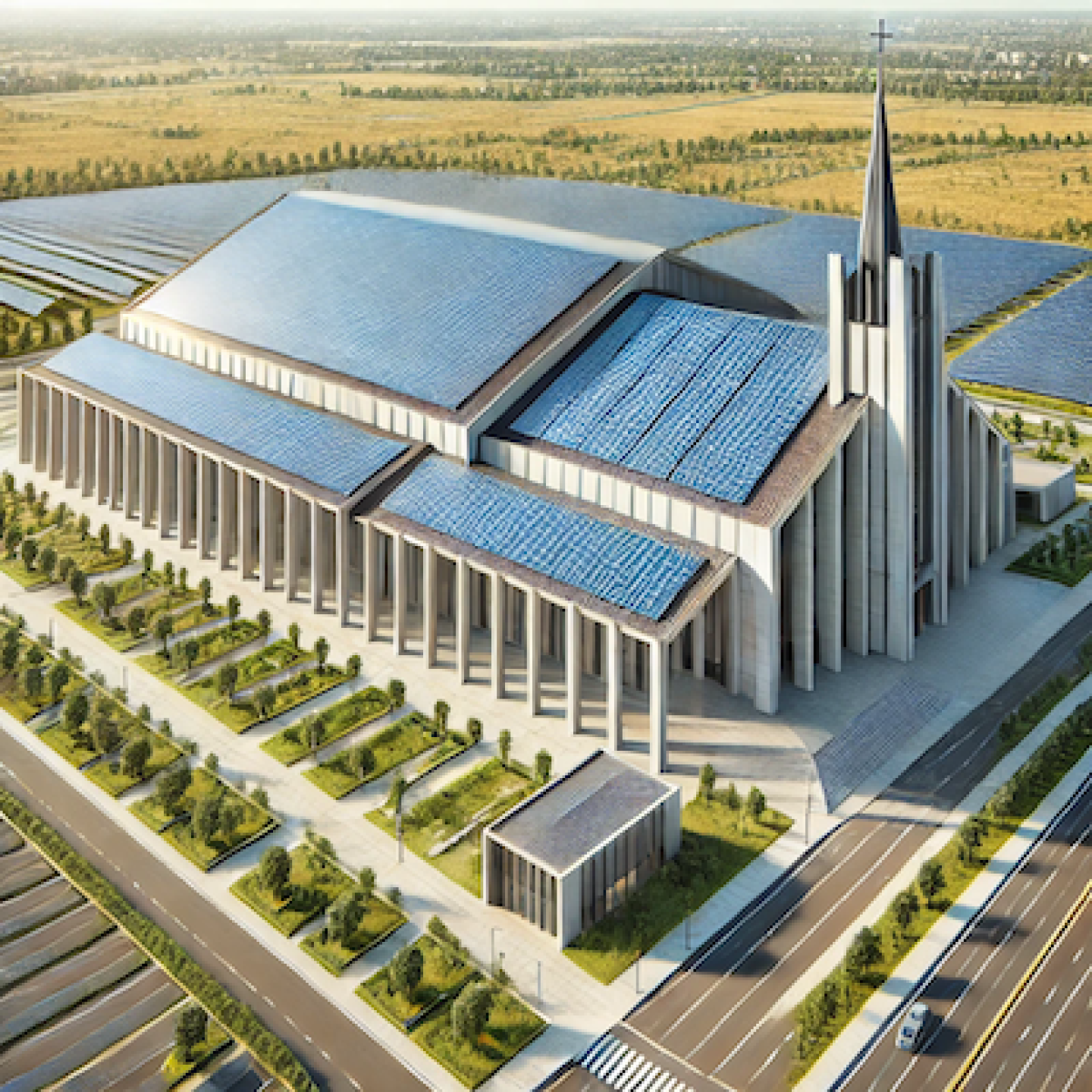
Commercial Solar Carport

Commercial Solar Carports - The Definitive Guide

Key Considerations for Building and Engineering Commercial Solar Carports

Commercial solar carports are an innovative solution for combining renewable energy generation with functional parking infrastructure. Businesses can reduce energy costs, promote sustainability, and enhance the utility of parking areas. Below is a detailed guide on the key considerations for building a commercial solar carport, including structural design, trenching for wiring, electrical design, mounting systems, and foundation options.


Structural Design for Commercial Solar Carports

The structural design of a commercial solar carport is critical for ensuring long-term stability and efficiency. These carports must support the weight of the commercial solar panels, withstand environmental factors, and provide a robust foundation.

Mounting Systems for Commercial Solar Panels

  • Single-Post Carports: These offer a streamlined design with a single column per row, reducing the amount of structural steel required. This setup is ideal for optimizing space in business solar solutions where fewer obstructions are needed.
  • Double-Post Carports: With columns on both sides of parking bays, this system provides greater stability, particularly in larger commercial solar installations. It is well-suited for parking lots or spaces with a higher capacity.
  • Cantilever Carports: Cantilever designs feature an overhanging roof supported by columns on just one side, offering more maneuverability for vehicles and a cleaner look for commercial solar energy systems.

Trenching Wires and Electrical Integration

Trenching for electrical wiring is a critical component of installing commercial solar panels in a carport system. Properly routing the electricity generated by commercial solar energy to the building’s electrical infrastructure requires detailed planning and execution.

Trenching Requirements

  • Depth and Protection: Trenches are typically dug 18 to 36 inches deep to protect the wiring from environmental factors such as water damage or freezing conditions. Licensed commercial contractors will ensure the trenching meets local code requirements.
  • Conduit and Safety: Electrical wiring for systems is enclosed in protective conduits, usually made from PVC or steel, ensuring long-term durability and safety.
  • Trenchless Solutions: In some cases, directional boring is used as a trenchless option to install conduits without extensive digging, preserving existing infrastructure in commercial solar installations.

Electrical Design for Commercial Solar Carports

Electrical design plays a vital role in the functionality and efficiency of a energy system. Proper inverter placement, grid integration, and load management ensure that the solar energy generated is distributed effectively.

Inverter Placement and Options

  • Central Inverters: Central inverters are commonly used for larger commercial solar power companies. These inverters efficiently convert the direct current (DC) generated by the solar panels into alternating current (AC) that can be used by the building or exported to the grid.
  • String Inverters: For more flexibility in, string inverters can be used, allowing each string of solar panels to be connected individually to an inverter. This balances efficiency with flexibility.
  • Microinverters: Microinverters are attached to each solar panel, converting DC to AC at the panel level. This maximizes energy output, particularly in locations where shading could affect panel performance.

Grid Integration and Energy Distribution

  • On-Grid Systems: In on-grid commercial solar energy systems, the solar power generated is fed directly into the local electrical grid. Businesses can offset their electricity consumption and even sell excess power back to the grid.
  • Off-Grid Systems: Off-grid systems require battery storage to ensure energy independence. These systems store excess energy generated by the commercial solar power system for use during peak demand times or when the grid is down.

Below-Ground Foundation Options: Spread Footing and Alternatives

A stable foundation is essential for supporting the weight of the Carport and the overall structure. The type of foundation depends on soil conditions, load requirements, and project size.

Spread Footing

Spread footing involves pouring large, flat concrete pads at the base of each support column, distributing the load evenly across a larger surface area.

  • Advantages: Spread footings are cost-effective and require less excavation, making them suitable for most commercial solar contractors. They provide stability for small to medium-sized carports.
  • Challenges: In areas with poor soil conditions, larger footings may be required, increasing construction time and costs.

Caisson Foundations

Caisson foundations are drilled piers filled with concrete, offering a more robust solution for larger commercial solar installations or areas with unstable soil.

  • Advantages: These foundations can handle heavy loads and are highly durable, ensuring stability in challenging terrain.
  • Challenges: More costly and complex, caisson foundations require specialized drilling equipment and a longer installation timeline.

Helical Piles

Helical piles are screw-like steel shafts driven into the ground to provide a secure foundation with minimal environmental disruption.

  • Advantages: Quick installation and reduced excavation make helical piles ideal for locations where minimal disruption is desired. They are also removable, making them suitable for modular installations.
  • Challenges: In softer soils or high seismic areas, helical piles may not provide the same level of stability as concrete foundations.

Wind and Seismic Considerations

In regions prone to high winds or seismic activity, additional reinforcements are necessary for commercial solar power systems.

  • Wind Loads: Commercial solar carports must be designed to withstand high wind speeds. Extra bracing and heavier materials may be required, especially in hurricane-prone areas like Florida.
  • Seismic Loads: In earthquake-prone regions, deeper foundations and cross-bracing are required to protect the structure from ground movement.

Environmental Impact and Sustainability

The environmental benefits of commercial solar energy are significant. Solar power generates clean, renewable energy, reducing reliance on fossil fuels and lowering carbon emissions.

  • Emission Reductions: Commercial solar power companies can significantly reduce greenhouse gas emissions and contribute to global sustainability efforts.
  • Sustainable Materials: Many commercial solar contractors use environmentally friendly materials and modular designs to further reduce the project's overall environmental impact.

Additional Considerations for Commercial Solar Carports

Battery Storage

Battery storage systems can enhance the effectiveness of commercial solar power by storing excess energy for later use.

  • Advantages: Batteries provide backup power and reduce energy costs by supplying power during peak times. This is particularly useful for commercial solar energy systems with high energy demands.

EV Charging Integration

EV charging stations can be added to commercial solar carports, making them an attractive option for businesses and consumers alike.

  • Advantages: Combining commercial solar panels with EV charging stations supports the transition to clean transportation and can attract eco-conscious customers.

Conclusion

Building a commercial solar carport involves careful consideration of structural design, electrical integration, foundation stability, and environmental impact. By optimizing the mounting systems, electrical design, and foundation type, commercial solar contractors can ensure the carport’s long-term functionality and energy efficiency. These structures not only provide clean energy but also enhance the value and utility of commercial spaces.


References:

  1. https://www.energy.gov/eere/solar/commercial-solar-photovoltaics
  2. https://www.forbes.com/home-improvement/solar/commercial-solar-panel-installation/
  3. https://www.cleanenergyauthority.com/solar-energy-news/commercial-solar-benefits
  4. https://www.solarpowerworldonline.com/2023/03/commercial-solar-installation-guide/
  5. https://www.solarreviews.com/blog/commercial-solar-panel-costs

Solar Home w/ Battery Backup

How To Properly Size Your Solar Battery Backup

The Benefits of Solar Battery Backup in Orlando and How to Properly Size Your System

As solar energy gains popularity in Orlando and across Florida, many homeowners and businesses are investing in solar power systems. However, without a reliable way to store the energy generated by solar panels in Orlando, you may still rely on the grid during power outages or after dark. This is where solar battery backup systems come in, providing energy independence, backup power, and increased savings. In this article, we'll discuss the benefits of solar battery backup, how to calculate the load requirements to size your system, and how to properly size your solar panel system to support the battery backup.


Benefits of Solar Battery Backup

  1. Energy Independence
    With a solar battery backup system, you store excess energy generated by your solar power system in Orlando during the day and use it when the sun goes down or during grid outages. This energy independence protects you from rising energy costs and ensures that your home or business remains powered, even when the grid goes down.
  2. Backup Power During Outages
    Power outages are common in Florida, especially during severe weather events like hurricanes. Having a solar battery backup system ensures that critical devices like refrigerators, medical equipment, and lights remain operational when the grid is down.
  3. Maximizing Savings
    In regions with time-of-use (TOU) electricity pricing, electricity costs more during peak demand times. With a battery backup, you can store energy during off-peak times and use it during peak hours, minimizing your utility costs.
  4. Reduced Environmental Impact
    Solar battery systems allow you to further reduce your reliance on fossil fuels. By using clean, renewable energy and storing it for later use, you're reducing greenhouse gas emissions and contributing to a greener future in Florida.

How to Calculate Load for Proper Battery Backup Sizing

Properly sizing your solar battery backup system is crucial to ensure it can meet your energy needs in Orlando. Here’s a step-by-step guide on how to calculate the load and size your battery backup.

1. Identify Your Energy Needs

Begin by identifying the appliances and devices that you want to power during an outage or at night. Create a list that includes essential appliances such as:

  • Refrigerator
  • Freezer
  • Lights
  • Medical equipment
  • Fans or HVAC systems
  • Water pumps
  • Electronics (phones, computers)

2. Calculate Energy Consumption

Every appliance has a power rating, typically measured in watts, which can be found on the device’s label or user manual. To calculate how much energy each appliance uses, you need to multiply the wattage by the number of hours the appliance will be running. Use the following formula:

Energy Consumption (Wh) = Power Rating (W) × Hours of Operation (h)


For example, if you want to power a refrigerator with a power rating of 200 watts for 10 hours a day:

200 W × 10 h = 2,000 Wh or 2 kWh


Repeat this for each appliance on your list.

3. Total Your Energy Consumption

After calculating the energy consumption for each device, sum them up to get your total energy consumption in watt-hours (Wh) or kilowatt-hours (kWh). This is the amount of energy your battery backup will need to store for your home to remain powered during an outage.

4. Determine Battery Storage Capacity

To determine the right battery size, you’ll need to match the total energy consumption to a battery that can provide sufficient storage. Solar batteries are typically rated in kilowatt-hours (kWh). For example, if your total energy consumption is 10 kWh, you’ll need a battery system that can provide at least that much storage capacity.

Example:
If your total daily energy usage is 10 kWh and you want the battery to power your home for a full day, you’ll need a 10 kWh battery. However, if you want backup power for two days, you’ll need a 20 kWh system.

5. Consider Depth of Discharge (DoD)

Most batteries have a recommended Depth of Discharge (DoD), which indicates how much of the battery’s capacity can be used without affecting its lifespan. If a battery has an 80% DoD, only 80% of its total capacity is usable. Factor this in when sizing your battery system. For instance, if you need 10 kWh of usable energy, and the battery’s DoD is 80%, you’ll need a battery with a total capacity of at least 12.5 kWh.

Formula:

Required Battery Capacity = Energy Consumption / Depth of Discharge


For a 10 kWh consumption and 80% DoD:

10 kWh / 0.80 = 12.5 kWh battery capacity

6. Account for Surge Loads

Some appliances, like refrigerators and HVAC systems, have a high surge load when they start up. Ensure that your inverter and battery system can handle these surge loads by checking the inverter's surge capacity.


Sizing the Solar Panel System to Support Your Battery Backup

While properly sizing your battery backup is crucial for ensuring you have the power needed during an outage, it's equally important to ensure that your solar panel system in Orlando can generate enough energy to support both your home’s daily consumption and recharge the battery backup. Here’s how to size your solar panel system to effectively charge your battery backup and meet your household energy needs.

1. Calculate Daily Energy Usage

Begin by calculating your total daily energy consumption. This includes both your home’s regular energy use and the energy needed to charge the battery for backup. For example, if your home uses 10 kWh of energy daily and you need an additional 10 kWh to fully recharge your battery, you’ll need enough solar panels in Orlando to generate at least 20 kWh per day.

2. Consider Your Location’s Sunlight Hours

In Orlando, the average is 5-6 hours of peak sunlight per day, meaning that solar panels in Florida will generate power at their maximum efficiency during this period.

You can use the following formula to estimate how much power your solar panels need to produce daily to meet your energy needs:

Total Solar Panel Output (kW) = Total Daily Energy Usage (kWh) / Peak Sunlight Hours


For instance, if your home requires 20 kWh of electricity per day and Orlando gets an average of 5 peak sunlight hours:

20 kWh / 5 hours = 4 kW solar panel system

3. Factor in Solar Panel Efficiency

Not all solar panels operate at 100% efficiency, and factors such as shading, temperature, and panel orientation can affect the actual energy output. To account for this, you should include a margin to ensure that your system can generate enough energy, even on days with less-than-ideal conditions.

4. Check the Solar Inverter Capacity

Your solar inverter is responsible for converting the direct current (DC) electricity generated by your solar panels into alternating current (AC) electricity used by your home. It’s essential to make sure your inverter is properly sized to handle the total output of your solar panel system.

5. Storage Capacity vs. Solar Output

Your solar panel system must generate enough excess electricity during the day to store in the battery. If your battery is sized to store 10 kWh, your solar panels should generate at least 10 kWh beyond your daily consumption to fully recharge the battery.

6. Seasonal Considerations

In Orlando, the amount of sunlight can vary depending on the season. You may want to slightly oversize your solar panel system to ensure it can meet your needs year-round, especially during seasons with fewer sunlight hours.


Conclusion

A solar battery backup system is an excellent way to ensure energy security, reduce utility bills, and contribute to a cleaner environment. By understanding your energy needs and calculating the load properly, you can size a battery system that fits your requirements and ensures that your home remains powered during outages. Additionally, properly sizing your solar panel system will ensure that you can generate enough energy to meet your needs and charge your battery backup.

If you're interested in installing a solar battery backup system, contact a trusted solar company in Orlando to get expert advice and a customized solution for your energy needs. Properly sized battery systems and solar panels not only ensure efficiency but also maximize the financial and environmental benefits of going solar.


References:

  1. https://www.floridapsc.com/ConsumerAssistance/ElectricGas/SolarEnergy
  2. https://www.cleanenergyauthority.com/solar-energy-news/solar-battery-backup-benefits
  3. https://www.energy.gov/energysaver/battery-backup-power-emergency
  4. https://www.solarreviews.com/blog/solar-battery-sizing
  5. https://www.forbes.com/home-improvement/solar/solar-battery-backup/
REAP Grants

REAP Grants: A Guide for Commercial Solar Projects

Understanding REAP Grants: A Guide for Commercial Solar Projects

The USDA Rural Energy for America Program (REAP) provides grants and loan guarantees to help agricultural producers and rural small businesses invest in renewable energy systems and energy efficiency improvements. For businesses considering a transition to commercial solar energy, REAP grants can be a game-changer. This blog post will break down what REAP grants are, how to apply for them, and the benefits and potential disadvantages of utilizing these grants for commercial solar power projects.

What Are REAP Grants?

REAP grants are part of the USDA’s commitment to supporting energy efficiency and renewable energy initiatives in rural America. Specifically, they provide financial assistance to small rural businesses and agricultural producers looking to install commercial solar panels or make energy-efficiency improvements.

These grants cover up to 50% of the total project cost, with a maximum grant of $500,000 for renewable energy systems such as commercial solar power. Additionally, REAP offers loan guarantees for up to 75% of the total project cost, helping businesses secure financing for large-scale projects.

How to Apply for REAP Grants

Applying for a REAP grant involves several steps. Here's a brief overview of the process:

  1. Determine Eligibility: To qualify for a REAP grant, your business must be located in a rural area as defined by the USDA, and you must either be an agricultural producer or a small business. You can check eligibility through the USDA’s Rural Development Program.
  2. Prepare Your Application: The application includes a description of the project, a financial plan, and technical specifications. Partnering with a reputable commercial solar contractor can make this process smoother, as they can assist in gathering the required documents and ensuring compliance with USDA guidelines.
  3. Submit Your Application: Applications are typically due once a year, with deadlines varying by state. Your local USDA office can provide specific details about when and how to submit your REAP grant application.
  4. Evaluation and Approval: The USDA will evaluate your project based on factors such as cost-effectiveness, energy savings, and the overall environmental impact of your commercial solar installation. Once approved, you can begin the project, with the grant covering up to 50% of the total cost.

Benefits of REAP Grants for Commercial Solar Energy

  1. Reduced Upfront Costs: One of the biggest advantages of REAP grants is the ability to reduce the initial costs of a commercial solar company project. With grants covering up to 50% of the cost, businesses can significantly lower their out-of-pocket expenses, making commercial solar panels more accessible.
  2. Improved Cash Flow: By offsetting upfront expenses, REAP grants help businesses preserve their cash flow, enabling them to invest in other areas of their operations. The combination of reduced energy costs and the grant can result in faster payback periods for commercial solar power systems.
  3. Environmental Impact: Installing commercial solar energy systems helps reduce your carbon footprint and lowers reliance on fossil fuels. Not only is this beneficial for the environment, but it can also enhance a business’s brand image by showcasing its commitment to sustainability.
  4. Eligibility for Loan Guarantees: In addition to grants, REAP offers loan guarantees for up to 75% of the total project cost. This can make it easier for businesses to secure financing for larger solar projects by reducing the risk to lenders.
  5. Tax Incentives: REAP grants can be combined with other financial incentives, such as the federal solar Investment Tax Credit (ITC). This allows businesses to maximize their savings on commercial solar energy installations.

Potential Disadvantages of REAP Grants

While REAP grants offer significant benefits, there are a few potential drawbacks to consider:

  1. Competitive Application Process: Since REAP grants are limited, the application process can be highly competitive. Businesses must invest time and resources into preparing a compelling application to increase their chances of securing funding.
  2. Rural Area Requirement: REAP grants are only available to businesses in rural areas as defined by the USDA. If your business is located in a more urban setting, you will not be eligible for these funds. It’s essential to check your eligibility before proceeding with the application process.
  3. Upfront Investment Still Required: While REAP grants cover up to 50% of the project cost, businesses must still cover the remaining 50% upfront or secure financing. Although loan guarantees can help with this, it's important to have a clear financial plan in place before applying.
  4. Complex Application Process: Preparing a REAP grant application can be complex and time-consuming, requiring detailed project plans and financial documents. Partnering with a licensed commercial contractor experienced in handling REAP projects can help alleviate this burden.
  5. Ongoing Compliance Requirements: Businesses awarded REAP grants must comply with USDA reporting and monitoring requirements throughout the project. This can involve additional paperwork and administrative tasks.

Conclusion

REAP grants provide an excellent opportunity for businesses in rural areas to reduce the cost of installing commercial solar panels. By offsetting upfront expenses and providing access to loan guarantees, REAP grants make commercial solar energy more accessible and financially feasible for small businesses and agricultural producers.

However, businesses must carefully assess their eligibility, prepare a strong application, and be prepared for the administrative requirements that come with the grant. Working with a commercial solar power company experienced in REAP grants can help ensure a smoother process and maximize the financial and environmental benefits.


References:

  1. https://www.rd.usda.gov/programs-services/energy-programs/rural-energy-america-program-renewable-energy-systems-energy-efficiency
  2. https://www.cleanenergyauthority.com/solar-energy-news/reap-grants-and-loans
  3. https://www.solarreviews.com/blog/reap-grants-for-solar
  4. https://www.floridapsc.com/ConsumerAssistance/ElectricGas/SolarEnergy
  5. https://www.nerdwallet.com/article/finance/solar-panel-incentives-grants
solar on home roof

Buying vs. Leasing Residential Solar Panels in Florida: Why Buying is the Better Choice

1. Ownership and Long-Term Savings

Buying: When you purchase solar panels, you take full ownership of the system, which translates into significant long-term savings. Although the upfront cost may seem high, the financial benefits start to accrue almost immediately. On average, the payback period for solar power systems in Florida ranges between 5 to 7 years, after which the energy generated by your panels is essentially free for the remaining lifespan of the system, which is typically 25-30 years. This means you can enjoy 20+ years of free electricity, leading to substantial savings over time.

Moreover, Florida homeowners who buy their solar systems can take advantage of various financial incentives, including the federal solar tax credit, which is currently set at 30%. This credit alone can reduce the net cost of your system by thousands of dollars. In addition to federal incentives, Florida’s net metering policies allow homeowners to sell excess energy back to the grid, further enhancing the financial appeal of purchasing your system.

Leasing: On the surface, leasing may appear to be a more affordable option due to the lower upfront costs. However, this approach comes with hidden financial drawbacks that can diminish its attractiveness over time. One of the most significant drawbacks is the escalation clause often included in solar leases. These clauses typically increase your monthly payments by around 2-3% each year over the lease term, which is usually 20-25 years.

While a 2% increase may seem modest initially, the cumulative effect over two decades can result in significantly higher payments than you originally anticipated. For example, a $100 monthly lease payment that increases by 2% annually will become approximately $149 per month by the end of a 25-year lease term. This escalation can erode any savings you might see on your electricity bills, making leasing a less financially sound decision compared to buying.

In addition to these escalating payments, when you lease, you do not benefit from any federal or state tax incentives or rebates—those go directly to the leasing company. Over the lease's lifetime, you could end up paying far more than the cost of purchasing a system outright while missing out on the substantial long-term savings and financial incentives available to Florida homeowners who buy.

2. Property Value Increase

Buying: Solar panels are known to increase property value, especially in a state like Florida, where sunlight is abundant. Studies have shown that homes with owned solar systems sell for more than those without. The added value is because the buyer is purchasing a home with a built-in energy savings system. Additionally, the lack of ongoing lease payments is attractive to potential buyers, making your home more marketable.

Leasing: With a leased system, the situation is more complicated. Some potential buyers may be hesitant to take over a solar lease, which could limit your pool of buyers. Even if they agree to assume the lease, the added monthly payment might be a deterrent, potentially impacting your home’s marketability and value.

3. Freedom and Control

Buying: As the owner of the solar panels, you have complete control over your system. You can choose the best panels and inverters, decide where and how they are installed, and make any adjustments or upgrades over time. Additionally, you are not bound by a long-term contract, giving you the freedom to sell your home or make changes without worrying about lease transfer conditions.

Leasing: Leasing often comes with strict terms and conditions. You may have limited choices regarding the type and quality of equipment used, and you might not have a say in how the system is installed. Furthermore, leasing agreements typically lock you into a long-term contract, which can be difficult and costly to break if your circumstances change.

4. Financial Incentives and ROI

Buying: The return on investment (ROI) for purchased solar panels is much higher compared to leasing. With the help of tax credits, rebates, and energy savings, most Florida homeowners see a significant ROI over the lifespan of the system. Additionally, the savings on your electricity bills will increase over time as utility rates rise, further enhancing the financial benefits.

Leasing: Leasing offers minimal ROI. While you may see some savings on your electricity bills, the leasing company reaps the majority of the financial benefits, including tax credits and rebates. Over time, the cumulative payments you make on a lease could exceed the cost of purchasing a system outright, making leasing a less financially sound decision.

5. Maintenance and Warranties

Buying: When you buy a solar system, the responsibility for maintenance typically falls on you. However, most reputable solar companies offer warranties that cover the system for 25 years or more, ensuring peace of mind. Additionally, solar panels are low-maintenance, and any required upkeep is usually minimal.

Leasing: One of the perceived advantages of leasing is that the leasing company often handles maintenance and repairs. While this can be convenient, the cost of these services is usually built into your monthly payments, meaning you’re still paying for them indirectly.

6. Energy Independence

Buying: Owning your solar system allows you to achieve greater energy independence. You can potentially add battery storage, allowing you to store excess energy for use during peak times or power outages. This level of control and self-sufficiency is particularly appealing to homeowners looking to reduce their reliance on Florida utility companies.

Leasing: With a leased system, your energy independence is limited. The leasing company owns the panels, and you are dependent on them for system management. Additionally, adding battery storage or other upgrades may not be possible or could incur additional costs.

Conclusion: Why Buying is the Better Choice for Florida Homeowners

While leasing solar panels can provide short-term savings and convenience, the long-term financial and personal benefits of buying Solar Powered System far outweigh the advantages of leasing. By purchasing your solar system, you maximize your return on investment, increase your property value, and gain control over your energy future. For homeowners serious about reaping the full rewards of solar energy in Florida, buying is the clear winner.

References

  1. EnergySage - Buying vs. Leasing Solar Panels: Which Option is Best for You?
  2. Solar Reviews - Should You Buy or Lease Solar Panels?
  3. Clean Energy Authority - Why Buying Your Solar Panels is Better Than Leasing
  4. Forbes - Buying Vs Leasing Solar Panels: Weighing The Pros and Cons
  5. NerdWallet - Should You Lease or Buy Solar Panels?

By purchasing your solar system, you not only avoid the pitfalls of escalating lease payments but also position yourself for substantial long-term savings, energy independence, and increased property value in Florida. The financial benefits of buying far outweigh the initial cost, making it the better choice for most homeowners.

Solar Renewable Energy Credits

SREC - Solar Renewable Energy Credits

Understanding New Jersey SRECs: A Guide to Solar Renewable Energy Credits for Commercial Solar Projects

New Jersey has been a leader in promoting renewable energy, particularly through its Solar Renewable Energy Certificates (SRECs) program. This incentive is designed to reward businesses and homeowners for generating clean solar energy by giving them credits they can sell for profit. But how exactly does the New Jersey SREC program work, and how can you take advantage of it for your commercial solar installation? This guide will walk you through everything you need to know.

What is the New Jersey SREC Program?

Solar Renewable Energy Certificates (SRECs) represent the environmental benefits of generating solar energy. For every 1,000 kilowatt-hours (kWh) of solar electricity your commercial solar system produces, you earn one SREC. In New Jersey, energy providers are required to meet specific renewable energy goals, and they can purchase SRECs to meet those obligations. This creates a market where solar system owners, including commercial solar energy producers, can sell their credits to utilities and other buyers.

The value of an SREC can fluctuate based on supply and demand, but New Jersey’s market has historically been strong, providing a steady stream of income to commercial solar system owners.

How to Sign Up for New Jersey SRECs

To participate in the New Jersey SREC program, you’ll need to follow these steps:

  1. Install a Commercial Solar System: The first step is installing a solar system at your business. Your system must be connected to the grid, and it should be capable of producing clean energy at scale.
  2. Register Your System: After installation, you must register your commercial solar energy system with the New Jersey Clean Energy Program (NJCEP). This registration is necessary for your system to be eligible to generate SRECs.
  3. Set Up an SREC Account: Next, you’ll need to create an account with the SREC marketplace platform, known as GATS (Generation Attribute Tracking System). This is where your SRECs will be tracked and recorded as your system generates energy.
  4. Metering and Monitoring: Your solar system will need to have a production meter that tracks how much electricity is generated. The data from this meter will be reported to GATS, which then issues the SRECs based on your energy production.

How to Get Your SRECs

Once your system is registered and producing electricity, you’ll start earning SRECs automatically. Here’s how it works:

  • Monitoring Production: Your solar production is monitored either through your system’s inverter or by a third-party company. The data is sent to GATS, which tracks the production and issues your SRECs based on every 1,000 kWh generated.
  • Frequency of SREC Issuance: SRECs are typically issued monthly, although the exact timing can depend on your production levels and reporting process. The certificates are issued in whole numbers, so if your system generates 1,500 kWh in a month, you’ll receive one SREC, and the additional 500 kWh will carry over toward your next SREC.

How to Sell Your SRECs

Once you start accumulating SRECs, you’ll likely want to sell them for profit. Here’s how to do that:

  1. Find a Buyer: The most common buyers are utilities that need to meet their renewable energy obligations. You can sell your SRECs directly to these companies, or through brokers and aggregators who will handle the transaction for you.
  2. Use the GATS Platform: The GATS platform is where SRECs are tracked and traded. You can list your SRECs for sale here, and buyers can purchase them at the current market rate.
  3. Market Prices: The price of an SREC can vary based on supply and demand. It’s a good idea to monitor market trends and work with a broker if you’re unfamiliar with the process.
  4. Recurring Revenue: As long as your system continues to generate solar energy, you’ll keep earning SRECs. This creates a continuous stream of revenue for the lifespan of your solar system, typically 15 to 20 years.

Maximizing Your SREC Earnings

To make the most of New Jersey’s SREC program, it’s important to keep your system running efficiently. Regular maintenance and monitoring will ensure that your commercial solar system produces as much energy as possible, maximizing your SREC earnings. Additionally, staying informed about market trends and working with a knowledgeable broker can help you sell your credits at the best possible price.

Conclusion: Turning Solar Energy into Profit for Your Business in New Jersey

The New Jersey SREC program is an excellent opportunity for commercial solar system owners to generate extra income. By participating in this program, you not only contribute to a greener future but also enjoy significant financial benefits. Whether you’re running a small business or managing a large commercial property, understanding how to sign up, earn, and sell SRECs is key to maximizing your solar investment.

If you’re considering installing a commercial solar system or want to learn more about New Jersey’s SREC program, reach out to a local solar provider to get started. The sooner you get involved, the sooner you can start turning sunlight into profit!

External References:

  1. SEIA: Commercial Solar Energy
  2. NREL: Benefits of Solar Energy for Businesses
  3. DOE: Guide to Commercial Solar Energy
  4. IREC: Commercial Solar Policies
  5. New Jersey Clean Energy Program: SRECs
Solar Energy vs Inflation

Offset the Impact of Inflation With Solar: A Smart Investment for Florida Homeowners

Introduction: Solar Energy and the Battle Against Inflation

With inflation rates hitting record highs and utility companies responding with significant rate increases, Florida homeowners are feeling the squeeze. Since 2022, electricity costs have surged over 35%, and historically, utility rates have climbed by an average of 4% per year. For those struggling to keep up with escalating energy costs, solar energy offers a compelling solution. By locking in a fixed rate and taking advantage of substantial savings from day one, installing solar can be a smart long-term investment that combats inflation effectively.

In this post, we’ll explore how solar energy can offset the financial burden of rising utility costs, including a detailed comparison of solar financing versus traditional electricity rates. We’ll also dive into the long-term return on investment (ROI) for Florida homeowners who make the switch to solar.

The Inflation Problem: Why Utility Costs Are Rising So Rapidly

Florida’s energy landscape is undergoing a significant transformation, driven largely by inflationary pressures and increased demand. Since 2022, utility companies across the state have raised their rates by over 35% in response to rising operational costs, supply chain disruptions, and the increased cost of fuel. When you add the historical trend of a 4% annual increase in electricity prices, it’s clear that homeowners are facing an uphill battle just to keep their energy bills manageable.

Inflation compounds this issue further. As the cost of goods and services continues to rise, so does the price of generating and delivering electricity. The end result is that Florida residents are paying more for their energy than ever before, with no end in sight.

The Case for Solar: Immediate Savings from Day One

Let’s consider a typical scenario. Imagine a Florida homeowner who currently spends $260 per month on electricity. With utility rates rising an average of 4% annually, this cost will only increase over time, leading to more financial strain.

Now, let’s compare that with the cost of switching to solar. The total cost for a solar system capable of offsetting this homeowner’s energy usage might be $26,520. Thanks to the 30% federal tax credit, the homeowner would receive a $7,956 credit, reducing the net system cost to $18,564.

If the system is financed at a 7% interest rate over 30 years, the monthly payment comes out to approximately $187. On day one, the homeowner is saving $73 per month, as the new solar payment is lower than their current energy bill of $260. And because solar savings increase as utility rates rise (while the solar payment remains fixed), these savings will only grow over time.

Solar vs. Utility Rates: A 30-Year Comparison

To fully understand the financial benefits of solar, let’s take a closer look at how costs compare over 30 years with and without solar:

  • Without Solar: Assuming the utility rate increases by an average of 4% annually (plus the 35% inflation spike since 2022), the monthly energy bill that starts at $260 today will grow to around $842 by year 30. Over three decades, this homeowner would pay over $175,000 to the utility company.
  • With Solar: The homeowner’s fixed solar payment of $187 per month remains steady throughout the 30-year term. Over the same period, they would pay a total of approximately $67,320 for their solar energy system.

By choosing solar, the homeowner saves over $107,000 in energy costs across 30 years. Even after accounting for system maintenance and any additional energy needs, the savings are substantial.

Understanding Long-Term ROI

The long-term ROI for solar energy is another key factor to consider. In this scenario, the homeowner starts saving money immediately, with a net positive cash flow of $73 per month. But as utility rates continue to rise, the ROI grows exponentially. Over 30 years, the homeowner’s initial $18,564 investment yields savings of more than $107,000—equivalent to a 576% return on investment.

Moreover, this ROI doesn’t account for additional benefits like increased home value. Studies show that homes with solar systems sell for more, providing even more financial upside for homeowners in Florida.

The Compounding Effect of Rising Energy Costs

The true advantage of solar lies in its ability to lock in energy rates today. While inflation continues to drive up electricity costs, a fixed solar payment ensures that homeowners are insulated from future rate hikes. The longer you wait to go solar, the more these compounding costs will eat into your budget. By acting now, Florida homeowners can protect themselves from the unpredictable and ever-rising costs of traditional energy.

Solar Energy: A Hedge Against Economic Uncertainty

Beyond the immediate savings and ROI, solar energy offers another critical advantage: it serves as a hedge against economic uncertainty. As inflation continues to fluctuate and energy prices remain volatile, solar provides stability. Knowing that your energy costs are fixed gives you peace of mind and makes it easier to plan your finances.

The Environmental Benefits: A Bonus for Going Solar

While the financial benefits are the primary focus here, it’s worth mentioning that switching to solar also comes with significant environmental benefits. By generating clean, renewable energy, homeowners reduce their carbon footprint and contribute to a more sustainable future for Florida.

Why Choose Emerald Sun Energy in Florida?

Emerald Sun Energy stands out as a top choice for solar installations in Florida, particularly in locations like Orlando. With deep expertise in local conditions, we design solar systems that maximize savings while delivering long-term reliability. Our commitment to customer satisfaction, combined with our knowledge of Florida’s unique solar market, ensures that every homeowner gets the best possible return on their investment.

Conclusion: Act Now to Maximize Savings and Offset Inflation

As inflation continues to drive up the cost of living in Florida, locking in your energy rate with solar is more important than ever. With immediate savings from day one, a high ROI over 30 years, and protection against rising energy costs, going solar is a smart financial move. And by acting before the end of the year, you can take full advantage of the 30% federal tax credit, further reducing your investment costs.

Don’t wait until energy prices climb even higher—contact Emerald Sun Energy today to learn how you can start saving with solar and enjoy peace of mind in an uncertain economic climate.

External References:

  1. Energy.gov: Federal Tax Credits for Solar
  2. NREL: Solar Power and Home Value
  3. Florida Public Service Commission: Utility Rate Trends
  4. Forbes: Inflation’s Impact on Utility Bills
  5. SEIA: The Benefits of Going Solar in Florida
  6. Department of Energy: Historical Utility Rate Increases
  7. Solar Reviews: ROI of Solar Systems


Super Chruch with Solar

Direct Pay Enables Churches and Non-Profits to Benefit From Solar Incentives

Understanding the Direct Pay Option Under the Inflation Reduction Act for Commercial Solar Projects

The Inflation Reduction Act (IRA) of 2022 introduces pivotal provisions designed to accelerate the adoption of clean energy technologies across the United States, with particular benefits for the commercial solar industry. Among these provisions, the Direct Pay option stands out as a transformative incentive for Commercial Solar Companies and Commercial Solar Contractors in Florida, offering a direct payment alternative to traditional tax credits. This article explores the steps, requirements, benefits, features, and future outlook of the Direct Pay option, emphasizing its impact on Commercial Solar Installations in Florida.

1. Overview of the Direct Pay Option for Commercial Solar

The Direct Pay option under the IRA allows tax-exempt entities such as state and local governments, tribal governments, not-for-profits, and rural electric cooperatives to benefit directly from federal clean energy incentives. Previously, these entities struggled to leverage tax credits due to their non-taxable status. Direct Pay simplifies this process by offering the value of the credits as direct payments. This shift is particularly advantageous for Commercial Solar Companies in Florida, making it easier to access federal incentives.

2. Eligibility and Steps for Utilizing Direct Pay in Commercial Solar

2.1 Eligibility Requirements

To leverage Direct Pay, Commercial Solar Contractors in Florida and other eligible entities must meet specific criteria:

  • The entity must be tax-exempt or have limited tax liability.
  • The project must involve renewable energy technologies such as solar, wind, or other specified clean energy solutions under the IRA.

2.2 Application Process

For Commercial Solar Installations, the application process involves:

  • Project Certification: The project must meet specific environmental and labor standards. Ensuring compliance is critical to qualify for Direct Pay.
  • Submission of IRS Forms: Entities must complete and submit relevant IRS forms detailing the project costs and expected credit amounts. Accuracy is essential, as any discrepancies may delay payment.
  • IRS Verification: The IRS may require additional documentation or conduct audits to verify the claims before disbursing payments. Entities should be prepared for potential reviews.

3. Conversion from Tax Credits to Direct Payments

3.1 Conversion Process

Entities initially planning to claim tax credits can choose to convert them to Direct Pay if eligible. The conversion process for Commercial Solar Installations involves:

  • Reassessment of Eligibility: Entities must confirm that both the project and the entity still meet the requirements under the Direct Pay provisions.
  • Adjusting Financial Projections: Financial models and projections may need to be revised to account for the immediate cash inflow from Direct Pay instead of deferred tax credits.
  • Coordination with Financial Institutions: If the project was initially financed based on tax credits, lenders and investors may need to adjust terms and expectations.

4. Benefits of Direct Pay for Commercial Solar Companies

4.1 Immediate Financial Impact

Direct Pay provides immediate liquidity, enhancing the financial feasibility of renewable energy projects for Commercial Solar Companies in Florida. The immediate access to funds allows for faster project initiation and smoother cash flow management.

4.2 Increased Project Viability

By converting tax credits into direct payments, more solar projects become financially viable. This is particularly beneficial for Commercial Solar Companies that previously struggled to fully benefit from tax credits due to limited tax liability.

4.3 Simplified Financial Planning

Direct payments simplify the accounting and financial planning for renewable projects, reducing the complexity associated with tax credit monetization. For many entities, the straightforward nature of Direct Pay is more appealing than navigating the complexities of traditional tax credits.

5. Features of the Direct Pay Option

5.1 Broad Applicability

Direct Pay applies to various renewable energy technologies, including solar, making it a versatile tool for clean energy deployment. Commercial Solar Companies in Florida can take advantage of this feature across multiple types of installations, from rooftop solar systems to large-scale solar farms.

5.2 No Cap on Payments

There is no cap on the amount of direct payments an eligible entity can receive, subject to the cost and scale of the eligible projects. This feature is particularly attractive to large-scale Commercial Solar Installations in Florida, where project costs can be substantial.

5.3 Compliance with Regulations

Entities must ensure compliance with all federal, state, and local regulations, including prevailing wage and apprenticeship requirements, to qualify for Direct Pay. This makes it crucial for Commercial Solar Contractors to be well-versed in labor standards and documentation.

6. Outlook and Future Implications for Solar Energy in Florida

6.1 Expansion of Renewable Projects

The Direct Pay option is expected to significantly expand the number and scale of renewable energy projects in the U.S., particularly benefiting the Commercial Solar Florida sector. As more tax-exempt entities embrace this option, the demand for solar installations is expected to rise sharply.

6.2 Policy Evolution

As the implementation of the IRA progresses, additional guidelines and refinements to the Direct Pay option may evolve. Commercial Solar Contractors in Florida should stay updated on new regulations and opportunities as they develop.

6.3 Economic Impact

The widespread adoption of Direct Pay is anticipated to stimulate local economies, create jobs in the clean energy sector, and contribute to energy independence and sustainability. The boost in Commercial Solar Installations will also drive technological advancements and cost reductions, benefiting businesses and communities alike.

Conclusion

The Direct Pay option under the Inflation Reduction Act represents a significant evolution in how renewable energy incentives are administered, providing direct economic benefits to a broader range of entities, including Commercial Solar Companies in Florida. As this policy tool is more widely adopted, its impact on the commercial solar landscape and its contribution to broader energy goals are expected to be profound and enduring.

References

  1. IRS Official Site - Direct Pay Guidance
  2. Energy.gov - Inflation Reduction Act Summary
  3. National Renewable Energy Laboratory - Direct Pay Analysis
  4. Environmental Law Institute - Overview of IRA Provisions
  5. Renewable Energy World - Direct Pay Impact on Projects


Clean energy concept illustration

Hurricane Power Report

Preparing for Hurricanes and Power Outages in Florida: A Comparison of Backup Power Systems

When preparing for hurricanes and potential power outages in Florida, having a reliable backup power system is essential. There are various options available, each with distinct advantages and disadvantages. Below, we'll compare three primary types of backup power systems: portable solar generators (e.g., EcoFlow), traditional generators (e.g., Generac), and solar-powered battery backup systems.

1. Portable Solar Generators (e.g., EcoFlow)

Overview

Portable solar generators like those from EcoFlow are compact, all-in-one units that typically include a battery, inverter, and solar charging capability. These systems can be charged via solar panels, wall outlets, or car chargers.

Advantages

  • Clean Energy: Solar generators use renewable energy, reducing the carbon footprint and reliance on fossil fuels. This makes it a great choice for environmentally conscious homeowners in Orlando or across Florida.
  • Portability: These units are lightweight and easy to transport, making them ideal for quick deployment in emergencies or for use in multiple locations.
  • Quiet Operation: Solar generators operate silently, which is beneficial in residential areas, especially in Orlando, where noise regulations might apply.
  • Low Maintenance: Unlike traditional generators, solar generators have fewer moving parts, resulting in lower maintenance requirements.
  • Indoor Use: Since they do not emit fumes, solar generators can be safely used indoors in Florida homes during power outages.

Disadvantages

  • Limited Power Output: Solar generators typically have lower power capacities compared to traditional generators, making them suitable for smaller loads, such as lights, small appliances, and electronics, but not for powering entire homes.
  • Charging Time: Charging solely via solar panels can be slow, especially during cloudy weather in Florida or short daylight hours. Full recharges may take several hours or even days.
  • Higher Initial Cost: The upfront cost per watt is generally higher for solar generators compared to traditional generators.

Best For
Individuals in Florida looking for a clean, quiet, and portable backup power solution for essential devices and appliances, especially in situations where indoor operation is required, or where noise and fumes are a concern.

2. Traditional Generators (e.g., Generac)

Overview

Traditional generators, such as those from Generac, are typically fueled by gasoline, diesel, natural gas, or propane. These generators are available in portable and standby models, with standby models automatically starting when a power outage is detected.

Advantages

  • High Power Output: Traditional generators offer high power capacities, capable of running multiple large appliances or even entire homes in Orlando or Florida.
  • Fuel Availability: Fuel for traditional generators is widely available in Florida and can be stored for use during emergencies.
  • Quick Power Supply: Generators can provide power almost immediately when turned on, with standby models kicking in automatically during an outage.
  • Lower Initial Cost: Per watt, traditional generators typically have a lower upfront cost compared to solar generators and battery backup systems.

Disadvantages

  • Fuel Dependency: Generators require a constant supply of fuel, which can be problematic if fuel is scarce during a prolonged outage.
  • Noise: Traditional generators are noisy, which can be disruptive in residential areas in Orlando.
  • Emissions: These generators emit exhaust fumes, requiring outdoor placement and proper ventilation.
  • Maintenance: Regular maintenance, including oil changes, fuel management, and parts replacement, is necessary to keep generators in good working condition.

Best For
Homes or businesses in Florida that require high power output to run large appliances, HVAC systems, or critical operations during extended outages.

3. Solar-Powered Battery Backup Systems

Overview

Solar-powered battery backup systems store energy generated by solar panels in batteries for use during power outages. These systems are usually integrated into a home’s electrical system, providing seamless backup power when the grid goes down.

Advantages

  • Seamless Integration: These systems automatically switch to battery power during an outage, providing uninterrupted power to critical systems and appliances in Orlando homes.
  • Clean Energy: Like portable solar generators, these systems rely on renewable solar energy, reducing environmental impact.
  • Quiet Operation: Solar battery systems operate silently, making them ideal for residential use in Florida.
  • Scalability: These systems can be scaled to meet the energy needs of a small home or large commercial building in Orlando, depending on the size and number of batteries installed.
  • Energy Independence: With a well-sized system, homes in Florida can achieve significant energy independence, reducing reliance on the grid.

Disadvantages

  • High Initial Cost: Solar battery backup systems involve a significant upfront investment, especially when combined with a solar panel installation in Orlando.
  • Weather Dependent: The effectiveness of these systems depends on solar panel output, which can be affected by weather conditions and time of year in Florida.
  • Complex Installation: Professional installation is required, and integrating the system with existing electrical infrastructure can be complex and costly.
  • Battery Lifespan: While batteries are long-lasting, they degrade over time and may need replacement after several years.

Best For
Homeowners and businesses in Florida looking for a long-term, environmentally friendly solution that provides seamless power during outages.

Summary Comparison

Feature/Criteria Portable Solar Generators (e.g., EcoFlow) Traditional Generators (e.g., Generac) Solar-Powered Battery Backup Systems
Power Output Low (suitable for small appliances) High (can power entire homes) Medium to High (depends on system size)
Fuel/Energy Source Solar (renewable) Gasoline, Diesel, Propane, Natural Gas Solar (renewable)
Noise Level Silent Noisy Silent
Emissions None Emits exhaust fumes None
Portability High Low to Medium Low
Maintenance Low High Low
Cost Moderate to High Low to Moderate High
Ease of Use Easy to use Requires fuel management Seamless once installed
Suitability for Indoor Use Yes No Yes

Conclusion

  • Portable Solar Generators: Best for those seeking a portable, eco-friendly solution for powering small devices and appliances. Ideal for short-term use or in situations where indoor operation is necessary in Florida.
  • Traditional Generators: Suitable for those needing reliable, high-power output to run large appliances or entire homes during extended outages in Orlando or Florida.
  • Solar-Powered Battery Backup Systems: Ideal for homeowners and businesses in Orlando looking for a long-term, sustainable solution with seamless integration and quiet operation. Best suited for areas with frequent outages and where energy independence is a priority.

Choosing the right backup power system depends on your specific needs, budget, and the environment in which it will be used.


References:

  1. https://www.generac.com/
  2. https://us.ecoflow.com/
  3. https://www.solarreviews.com/blog/best-backup-generators
  4. https://www.cleanenergyauthority.com/solar-energy-news/solar-battery-storage-systems
  5. https://www.forbes.com/home-improvement/solar/solar-battery-backup/
  6. https://www.nerdwallet.com/article/finance/solar-power-backup-options
Solar Panels in Hurricane

How Do Solar Panels Hold Up in a Hurricane?

The state of Florida is at the most risk of damage from hurricanes in all of the United States. It also incurs the most cost in reconstruction after hurricane hits.

In many cases, hurricanes can cost Florida about 3 times as much as the second-most impacted state, Louisiana.

Hurricanes also leave a lasting impact. Besides the financial damage dealt, people are left without electricity for long periods of time. Electricity supply chains can even take months to get going.

Since Orlando is also a sunny city, the most logical solution to this problem is to invest in solar energy. 

Also, consider a study's findings that solar panels increase the value of a home by about $15,000.

There may still be many doubts before contacting a solar contractor in Orlando. We are here to clear them for you using real-world examples in the United States.

So, is a solar power investment safe in the state of Florida?

Solar panels installed by trusted solar energy companies in Orlando withstand elemental forces such as hurricanes astonishingly well. Contrary to intuitive thinking, solar panels from reliable solar power companies do not stop producing power in conditions such as hurricanes. They are also remarkably sturdy to the forces of nature.

A study finds that solar panels continue to generate power during hurricanes, even if direct sunlight is unavailable. Take the practical example of the VA hospital in San Juan, which continued to operate at 100 percent during a hurricane on solar power.

Solar power installation is vital as hurricanes, an uncontrollable force, leave large areas without power for extended periods. In many regions of the United States, cities hit by hurricanes go for months without power.

Does Wing Affect Solar Panels?

Since most solar panels are installed on rooftops to absorb unobstructed sunlight, one could conclude that they are also highly susceptible to wind.

So, how true is that assertion?

There is historic precedence for solar power in coastal regions to withstand strong winds. Solar power companies claim that their rooftop installations were unfazed by Hurricane Sandy. Hurricane Sandy, being a category-3 hurricane, had a maximum sustained wind speed of 110 mph!

What force puts the most pressure on rooftop-installed solar panels in the case of high winds? It is the Uplift Force.

However, if a reliable Solar contractor in Orlando has done your solar panel installation, there is little to fear. Uplift force is most damaging in cases of structural fragility, negligence or extreme hurricanes.

For most hurricane events, an excellent solar power company in Orlando would ensure that uplift forces have no effect.

So, the wind does not affect solar panels. The only worry might be of the wind tearing the panel from the very roof, but that can be minimized by only contacting a trusted solar contractor in Orlando.

Can Solar Panels Work During Raining?

The solar panels themselves are waterproof. Solar power companies take great care to test their products against heavy rain.

Solar energy continues to function in the rain as well as in any other weather condition – and is only concerned with the amount of horizontal irradiance, i.e., the amount of solar energy they can receive.

In fact, the rain may wash away dust and oil from the surface of the solar panels.

Solar energy companies ensure that solar panels are installed so that even heavy rainfall does not affect power production or the installation's life.

Can Hail Damage Solar Panels?

Hail is one of the most formidable forces of nature. Are solar panels well-equipped to deal with these conditions?

Take the example of a severe hailstorm in Denver. It completely shattered many car windows and left dents the size of golf balls.

However, there was an astonishing finding on the main campus of the National Renewable Energy Laboratory. After the hail storm, only one out of more than 3,000 solar panels was destroyed.

Solar power companies in Orlando ensure that their products are guaranteed to withstand severe hailstorms. They are certified to stand up to even 1-inch hails falling at high speeds.

Can Solar Panels Withstand Hurricanes?

Hurricanes are extreme forces that put all man made structures to the test.

However, solar panels are wonderfully resistant. All tests that hurricane throw in their way, they pass astonishingly well.

When appropriately installed by great a good solar contractor in Orlando, solar panels withstand:

  • Uplift forces from severely strong winds
  • Unrelenting rainfall
  • Damage from small debris, such as hail

Your solar power company should also provide expert advice on where the solar panel installation must be done. An expert would look at your residence and advise you on topics such as:

  • Avoiding areas where a falling tree could destroy the solar panels
  • Selecting areas where the solar panels would provide the most energy output throughout the day

What Happens During a Hurricane?

Incredibly, solar power companies create a functional product in weather conditions without visible sun, such as hurricanes. How is that possible?

A study creates a quantitative analysis of 18 hurricane events. It concludes that power generation continues during events where direct sunlight does not happen. In fact, it finds that there is solar power available to be absorbed during daytime hours even though the sky is cloudy and raining. This energy is quantified as Horizontal Irradiance.

Due to the light diffusion in the sky, the horizontal irradiance never becomes zero. Hence, we can witness incredible cases like an entire hospital staying 100% functional without 11 months of power after hurricanes.

So, if solar energy companies can provide a reliable piece of machinery in such extreme conditions, solar power companies in Orlando will definitely be able to provide you with equipment that withstands hurricanes.

During hurricanes, energy is cut off abruptly and for long periods. The hospital mentioned earlier was a part of the most prolonged blackout in US history. Most other cases are not very reassuring either. Hence, solar energy installation in Orlando is vital.

Energy Issues in Orlando After Hurricanes

Let’s take the specific case of the state of Florida since it is also the most vulnerable to hurricanes.

A study shows that energy generation in the state of Florida can decrease beyond an astonishing 70% in large regions during a category-4 hurricane. This statistic even includes undamaged solar energy infrastructure in Florida.

The electricity grid may become fully offline in some cases. Solar energy companies in Orlando are vital in sustaining infrastructure not only during a hurricane but also during post-hurricane periods.

Reliable solar power equipment stays fully functional during hurricanes!

As an example, during hurricanes Camille and Laurie, two solar panels were operating without any drop in performance.

Testing and Real World Performance

Solar energy companies must perform extensive tests on their products before putting them on the market. This is especially true for states that are susceptible to extreme weather.

Solar energy companies in Orlando conduct exhaustive tests.

Standardized industry quality tests ensure that solar energy companies only sell products that survive harsh environmental conditions. For example, the International Photovoltaic Quality Assurance Task Force conducts tests that only allow resilient solar panels to be produced.

These tests check for:

  • Physical strength to mechanical stress. Good solar equipment would not only survive facing hail storms but also being walked on, crashing with small debris, etc.
  • Survivability of solar panels in harsh environmental conditions
  • Resilience to extremely high and low temperatures, humid or arid environments, etc.
  • Strength against exposure to ultraviolet radiation
  • Ability to handle electrical stress in unnatural conditions.
  • Winds of up to 140 mph, equivalent to a category-4 hurricane such as Hurricane Laura

These ensure that even during hurricanes, solar energy companies in Orlando can provide reliable sources of power during conditions such as lasting blackouts.

Time after time, real-life examples appear which attest to the assurances given by solar energy companies in Orlando.

What Happens After a Hurricane?

Expect long periods where energy production does not perform at 100%.

Traditional sources of energy face several issues after hurricanes.

  • The facilities may have incurred damages resulting in delay.
  • There are usually a lot of faults in the supply line. Important transformers malfunctioning would give a problem to vast areas.
  • Wires may have problems where they either completely stop circulating electricity or short in such a way that it may be dangerous.

Shorts in electricity, especially in flooded regions, can be lethal. People must ensure that all wires are in good condition after a hurricane.

  • All electric points must have a good grounding
  • All wires must have proper insulation

Do solar panels need to be taken care of after a hurricane? No, because the panels themselves are highly resistant to extreme weather.

In many cases, solar energy can become more efficient after heavy rainfalls. This is because the solar panels are now clear of dust and oil.

Contact the customer service of your solar power company in Orlando for inspection and assistance.

How to Prepare for Hurricanes to Keep Your Solar Panels in Place?

The best thing to ensure the safety of your solar installation is to contact an expert. Expert assistance and advice should be available from the solar contractor near you.

The expert will consult you on the following:

  • What is your return on the solar panel investment?
  • What type of solar panel installation best suits your needs?
  • How the installation must be made in order to minimize damage, for example by large debris crashes or tree-falls.

Occasionally inspect your solar panels. Clean them with microfiber clothing or water. Contact your solar power company in Orlando in case of irregularities.

The most important thing to consider around solar installations is the manufacturer and installer. Solar energy installations are surprisingly resilient to the most extreme of forces in nature and continue to generate power during and after hurricanes. Orlando is also blessed with sunny weather on most days and is ideal for solar power investment.

Click here to schedule an appointment with the most trusted solar power company in Orlando.

Cleaning solar panels

Why, When, and How to Clean Your Solar Panels? Here’s a Complete Guide!

People in many parts of this world are experiencing an extreme lack of electricity, aka energy sources that could light up their homes, act as fuel to their machinery and provide them with a better/ easy life. The energy crisis is a serious issue that has been prevailing for a long time. People have been trying to counter it by using natural resources to generate power, one among them being sunlight. 

Although it can be considered a new-found invention, generating energy directly from sunlight has proven to be more resource and cost-effective because it is available to us in superabundance. Electricity thus generated is better termed solar power, created by maneuvering PV panels (photo-voltaic) that absorb the sun's rays into usable energy. Generally, a power grid is integrated with these solar panels responsible for converting the Direct Current (DC) perceived into Alternating Current (AC), which appliances can use. 

What Are the Common Solar Blockers?

Solar panels are, in fact, quite easily exposed to natural elements that block their usual functionality of absorbing the sunlight. These solar blockers can be leaves, dust, debris, etc. Such recurring blockage could certainly be avoided if you plan to clean your solar panels now and then. Elements in your surroundings could be - 

  1. Dust - Dust particles could easily accumulate on the surface of your solar panels and remain there until an additional force acts on them, like you intend to clean it or it rains.
  2. Leaves or Twigs - Other commonly found items on solar panels are leaves and small branches of the trees in the people's surroundings. This mostly depends upon the geographical location of your solar panels and your home. If tall trees surround your house, you may see leaves falling onto the solar panels, more often in the Autumn season.
  3. Water - A combination of dust particles and twigs could become a bigger hassle when it pours down. The undesirable rainwater could further block the solar panels and minimize your system's efficiency.

Why Clean Your Solar Panels Periodically?

It is common for solar panels to get less cleaning and care due to their owners' busy routines. However, cleaning them occasionally, if not regularly, has been significantly helpful. Let's explore a few reasons why it should be done - 

  • Improves efficiency - System performance and efficiency levels are parameters most owners trust for their solar panels. The more they perform better and generate electricity, the better they are. Regular maintenance and day-to-day cleaning must do the job to achieve such results. Before the summer arises, you must plan and clean the panels from the surface area for them to absorb maximum sunlight and produce power. Doing so, you will surely notice the difference in performance. 
  • Improve Durability - Routine cleaning of the solar panels is often mentioned as a requisite in the user manual guides that come with the mechanism. The reason is that excessive dust and debris could significantly damage solar panels and lower their lifespan. Therefore, you can contribute significantly to the wear and tear of the system. To improve its durability, adopt a cleansing routine for your solar panels. 
  • Aesthetically Appeal - Solar-powered panels are a part of the latest housing trends, and homeowners wouldn't want their premises to look aged or out of trend. To bring a new, fancy look to your solar panels, one must keep them thoroughly cleaned and well-maintained.
  • Get an Opportunity to Inspect - And lastly, when you clean your solar panels more often, you get to inspect and analyze the issues in the system, if any. The earlier the issue is detected, the better it is. The condition of the complete system can be derived if you clean it periodically. 

When to Clean Your Solar Panels?

Extensive cleaning can be ventured once or twice a year and with the aid of designated professionals only. Nevertheless, if your warranty agreement states or provides you with a few additional cleaning services during the contract, do avail the opportunity and take advantage of their assistance. It is recommended to clean your solar panels before the arrival of summer, as the changing season brings with it environmental pollutants.

How to Clean Your Solar Panels?

Homeowners can use professional cleaning services or DIY it to clean their solar panels. The procedure requires a bucket of warm water, cleaning soap or detergent, mushy fiber cloths, and a sponge. 

Start by adding the dish soap to a piece of cloth and pour some hot water on it. Begin to lightly nudge or clean the panel and ensure gentle taps only. Since these panels are the source to absorb sunlight, you mustn't knock them off and damage the system. Continue the procedure till the entire surface is immaculate and looks like new!

Why Seek Professional Help?

If you need a hand, connect with your area's professional solar panel cleaners to expect better results. DIY cleaning is easy to apply, but some homeowners seek professional help to avoid the hassle. Professionals are better at this task because they acquire specialized training and expertise that qualifies them to determine the condition of your solar panels and work on them accordingly. 

Conclusion…

As solar panels are expensive equipment that needs proper care and maintenance, reaching out to expert professionals is beneficial. Luckily, you can contact Emerald Sun Energy, a Solar Installation Company in Orlando that caters to services like panel installation, cleaning and inspection tasks, etc. We have a designated service program that allows our customers to benefit from our dedicated services and experience. At Emerald Sun Energy, we aspire to prioritize our customer's needs and provide an action plan based on their requirements. Reach out to us if you need technical assistance!

emerald-sun-energy-logo-600

Contact us

2151 Consulate Dr

Orlando, FL 32837

info@emeraldsunenergy.com

Office: (407) 504-0922

Florida Lic #CVC57145

Lic #EC13010058