Commercial Solar in 2026

Why 2026 Is the Right Time to Re-Evaluate Commercial Solar

A New-Year Financial Reset for Businesses and Property Owners

As companies enter a new year, many business owners and commercial property managers take time to reassess budgets, operating expenses, and tax strategy. One major cost often overlooked during this process is energy—despite it being one of the largest controllable operating expenses for many businesses.

For organizations evaluating ways to improve cash flow and long-term financial stability, commercial solar has become an increasingly practical solution in 2026—not as a sustainability trend, but as a financial and operational strategy.


Commercial Solar Has Become a Financial Tool — Not Just an Energy Upgrade

In the past, solar was often viewed as a long-term environmental investment. Today, leading businesses work with a commercial solar company to evaluate solar based on hard financial metrics.

Well-designed commercial solar installations can help businesses:

  • Reduce long-term electricity expenses

  • Hedge against rising utility rates

  • Offset taxable income through federal incentives and depreciation

  • Improve net operating income (NOI) and property value

For many facilities, the decision is driven by numbers—not ideology.


Key Commercial Solar Incentives Businesses Should Understand in 2026

1. Federal Investment Tax Credit (ITC)

Eligible commercial solar projects may qualify for the federal Investment Tax Credit, allowing businesses to directly reduce tax liability based on system cost. The ITC remains a cornerstone incentive for companies evaluating commercial solar power in 2026.

🔗 IRS – Federal Solar Tax Credit (ITC)
https://www.irs.gov/credits-deductions/businesses/energy-investment-credit


2. Accelerated Depreciation (MACRS)

Commercial solar systems typically qualify for accelerated depreciation under the Modified Accelerated Cost Recovery System (MACRS). This allows businesses to write off a large portion of the system cost over a shorter timeframe—often making solar attractive even for companies with higher tax exposure.

🔗 U.S. Department of Energy – Commercial Solar Overview
https://www.energy.gov/eere/solar/commercial-solar


3. Financing Structures That Preserve Cash

Modern commercial solar contractors can structure projects using financing options that require little to no upfront capital. Payments are often aligned with energy savings, allowing businesses to reduce expenses without disrupting cash reserves.

This approach is particularly attractive for:

  • Warehouses and distribution centers

  • Self-storage facilities

  • Auto dealerships

  • Retail plazas

  • Industrial and manufacturing buildings


Why Energy Is a Strategic Operating Expense

Unlike many fixed costs, electricity is one of the few operating expenses businesses can partially control for decades.

By working with an experienced commercial solar company Florida businesses trust, property owners can:

  • Lock in predictable energy costs

  • Reduce reliance on utilities

  • Improve long-term operating margins

According to the U.S. Energy Information Administration, commercial electricity rates have steadily increased over time, making long-term cost control a growing priority for business owners.

🔗 U.S. Energy Information Administration – Commercial Energy Data
https://www.eia.gov/energyexplained/commercial/


Not Every Building Is a Fit — and That Matters

A credible commercial solar contractor should begin with an eligibility and financial review—not a sales pitch.

Factors such as:

  • Roof condition and age

  • Electrical infrastructure

  • Energy usage patterns

  • Ownership and tax position

all influence whether commercial solar installation makes financial sense. In some cases, solar is not the right solution—and identifying that early is part of a responsible evaluation.


A Smarter First Step for 2026 Planning

Rather than asking, “Do we want solar?” the better question is:

“Does commercial solar make financial sense for this property under current incentives?”

A brief eligibility review can provide clarity quickly—often in under 15 minutes—allowing decision-makers to move forward confidently or rule it out entirely.


About Emerald Sun Energy

Emerald Sun Energy is a licensed commercial solar company specializing in commercial solar installations for businesses across Florida and select national markets. We work with property owners to evaluate solar strictly through a financial and operational lens—helping them determine whether solar aligns with their business goals.

Calculando ROI para Energía Solar

Calculating the ROI on Commercial Solar Power for Warehouses & Factories

Introduction: Why ROI Matters Most in Industrial Solar

When it comes to warehouses and manufacturing facilities, energy costs are often one of the top three operating expenses. Switching to commercial solar power not only reduces these costs but also builds a hedge against rising utility rates.
Understanding your commercial solar ROI (Return on Investment) is the key to making an informed decision.


Step 1: Assess Current Energy Costs

Start with your facility’s utility bills:

  • Annual kWh usage

  • Average cost per kWh

  • Monthly demand charges (often high in industrial settings)

Example:
If your factory uses 1,200,000 kWh/year at $0.15 per kWh, your annual electricity cost is $180,000 — before rate increases.


Step 2: Estimate Solar Production

A well-designed commercial solar installation for a large warehouse can offset 60–90% of total energy consumption, depending on available roof or land space.

  • System Size: Calculated from your kWh needs

  • Production Factors: Local solar irradiance, panel efficiency, shading

  • Annual Output: Typically expressed in kWh/year

Example:
A 750 kW system producing 1,250,000 kWh/year could offset nearly all of the usage in our example facility.


Step 3: Factor in Incentives

Federal Incentives:

  • 30% Commercial Solar Tax Credit (48E) — plus potential 10% Domestic Content Bonus and/or 10% Energy Communities Bonus

  • Accelerated Depreciation (MACRS) — typically recovers ~25–30% of project cost in the first year

State & Local Incentives:

  • Rebates, performance-based incentives (PBIs), and utility grants may apply.


Step 4: Calculate Total Savings

Upfront Impact:

  • A $1.5 million system with a 30% tax credit = $450,000 savings immediately

  • Add MACRS depreciation benefits (~$375,000 value in year one)

Ongoing Impact:

  • $180,000/year energy savings

  • 3%+ annual utility rate increase means savings grow over time


Step 5: Determine Payback Period & ROI

Payback Period = Net System Cost ÷ Annual Savings
Example:

  • Net cost after incentives: ~$675,000

  • Annual savings: $180,000

  • Payback: ~3.75 years

ROI Over 25 Years:

  • Total lifetime savings: $4–5 million

  • Energy cost hedge against rate volatility

  • Increased property value


Step 6: Include Non-Financial Returns

  • Sustainability Reporting: Improved ESG scores

  • Brand Benefits: Marketable green credentials

  • Resilience: Ability to pair with batteries for backup power


Why Warehouses & Factories See the Strongest ROI

  • Large roof space for commercial solar panels

  • High and consistent energy consumption

  • Opportunity to integrate EV charging for fleet or staff vehicles


Emerald Sun Energy’s ROI Analysis Service

As a commercial solar company, we:

  • Conduct site-specific ROI modeling

  • Include tax incentives, depreciation, and rate forecasts

  • Deliver a clear proposal with payback timelines and financing options


Call to Action

📞 Contact Emerald Sun Energy for a free ROI analysis of your warehouse or factory’s solar potential.


References:

Commercial solar Tax Credit 2027

Commercial Solar Tax Credits in 2025–2027: What’s Changed and How to Take Advantage

Commercial Solar Tax Credits in 2025–2027: What’s Changed and How to Take Advantage

Date: August 12, 2025  |  Author: Emerald Sun Energy

Summary: On July 4, 2025, the One Big Beautiful Bill Act (Public Law 119-21) reshaped the path to federal incentives for commercial solar. If you’re planning a commercial solar installation, you now face firm eligibility deadlines—either begin construction by July 4, 2026 or be placed in service by December 31, 2027. Below is a practical guide for commercial solar companies and property owners to maximize benefits while staying compliant.

The Big Picture

On July 4, 2025, the One Big Beautiful Bill Act became law, changing how commercial solar energy projects qualify for federal incentives. The update introduces new timing gates that increase urgency for businesses considering commercial solar power and related commercial solar installation decisions.

Key Commercial Solar Tax Credits

48E Clean Electricity Investment Tax Credit (ITC)

  • Primary federal credit for most commercial solar power systems.
  • Offers up to a 30% base ITC when prevailing wage & apprenticeship rules are met, plus potential bonus adders.

45Y Clean Electricity Production Tax Credit (PTC)

  • Tech-neutral PTC that may benefit certain large, high-capacity-factor projects.
  • For typical C&I rooftops or carports, the 48E ITC usually pencils better than PTC.

What Changed for Commercial Solar

  1. New Eligibility Deadlines: Your project must either be placed in service by December 31, 2027 or begin construction by July 4, 2026 (safe harbor rules apply). Missing both means the project won’t qualify for these credits.
  2. Safe Harbor Rules Under Review: Treasury will update “begin construction” guidance. Until then, document both the 5% cost safe harbor and the physical work safe harbor to be conservative.
  3. Stricter Supply-Chain & Entity Rules: Increased scrutiny to avoid disqualifying foreign entity involvement in ownership, financing, or manufacturing for commercial solar panels and balance-of-system equipment.

What Stayed the Same (Good News)

  • Transferability (Section 6418): You can still sell commercial solar tax credits to unrelated U.S. buyers for cash (transfers to certain foreign entities are prohibited).
  • Direct Pay (Section 6417): Still available for eligible tax-exempt entities installing commercial solar energy systems.
  • Bonus Credits: When the base credit applies, you can boost value via:
    • Prevailing Wage & Apprenticeship (PWA) – required for the full 30% ITC.
    • Domestic Content – potential +10% if qualifying U.S.-made components are used in your commercial solar installation.
    • Energy Communities – potential +10% if sited in eligible areas.

Impact on Commercial Solar ROI

A qualified commercial solar energy project can still access:

  • 30% Base ITC with PWA compliance.
  • 40–50%+ total value when Domestic Content and/or Energy Community adders apply (project-specific).
  • Credit monetization through transferability for many taxable owners.

Bottom line: starting your commercial solar installation within the new window can preserve incentives and strengthen long-term savings.

Action Plan for Commercial Solar Companies & Property Owners

  1. Set Your Timeline: Target start of construction by July 4, 2026 or in-service by Dec 31, 2027.
  2. Choose ITC vs. PTC: For most commercial solar companies, 48E ITC remains the default; explore 45Y PTC only for specific high-CF cases.
  3. Lock PWA Compliance: Bake requirements into contracts and collect certified payrolls to preserve the full 30% ITC.
  4. Pursue Bonus Credits Early: Source U.S.-made components for Domestic Content and screen sites for Energy Community eligibility.
  5. Plan Monetization: Line up credit buyers early to maximize commercial solar financing outcomes and ROI.
  6. Document Safe Harbor: Maintain meticulous records for both 5% cost and physical work safe harbors.

Get a Free Commercial Solar Incentive Review

Our team at Emerald Sun Energy will review your timeline, equipment, and site to help you maximize federal credits and bonus eligibility.

Contact us to schedule a consultation.

Commercial Solar FAQ

Is the 30% commercial solar tax credit still available?

Yes—if your project meets the new timing gates and prevailing wage rules. The 48E ITC remains the primary path for most commercial solar power systems.

Can my business sell the solar tax credit?

Yes. Transferability allows many taxable owners to sell credits to unrelated U.S. buyers. Transfers to certain foreign entities are prohibited.

Do bonus credits still apply?

Yes—Domestic Content and Energy Communities can add meaningful value when eligibility criteria are met and the base credit applies.

References

Disclaimer: This post is for informational purposes only and is not legal or tax advice. Consult your tax advisor to evaluate your specific project.


Birds Solar Panels

Preventing Birds from Nesting Under Solar Panels in Orlando

Birds nesting under solar panels can create significant issues for homeowners in Orlando. From reducing the efficiency of your solar energy system to causing long-term damage, bird activity can be more than just a nuisance. This guide explains how to prevent birds from nesting under your solar panels and what to do if they’ve already made a home there. With the right steps and solutions, you can protect your solar panels in Orlando and maintain their efficiency for years to come.


Why Birds Nest Under Solar Panels

The Orlando climate, with its abundant sunshine and occasional rainy days, makes solar panels an excellent energy solution. However, the shaded and sheltered areas under solar panels also attract birds looking for protection from predators and the elements. This can lead to:

  • Blocked sunlight: Accumulated droppings and nesting materials reduce panel efficiency.
  • Damage: Birds can chew on wiring or damage components.
  • Hygiene issues: Bird droppings can pose health risks and create unpleasant odors.

Preventing Birds from Nesting Under Solar Panels in Orlando

1. Install Bird Mesh

  • Why It Works: Bird mesh acts as a physical barrier around the edges of your solar panels, preventing birds from entering.
  • Local Installation Tips:
    • Use UV-resistant materials to withstand Florida’s sunlight and humidity.
    • Ensure the mesh is tightly secured to prevent gaps that birds can exploit.
    • Hire a local solar contractor in Orlando to install bird mesh professionally.

2. Use Plastic Spikes

  • Why It Works: Plastic spikes discourage birds from perching near your panels, making the area less inviting.
  • Best Practices:
    • Install spikes along roof edges, gutters, and other potential landing spots.
    • Opt for flexible spikes to conform to uneven surfaces around your solar panels in Orlando.

3. Ultrasonic Bird Repellents

  • Why It Works: These devices emit high-frequency sounds that are irritating to birds but undetectable to humans and pets.
  • Tips for Orlando Homes:
    • Choose outdoor-rated ultrasonic devices to handle Florida’s weather.
    • Combine repellents with physical deterrents like bird mesh for maximum effectiveness.

4. Decoy Predators

  • Why It Works: Birds avoid areas where they perceive a threat, such as predators like hawks or snakes.
  • Orlando-Specific Advice:
    • Place decoys near solar installations in Orlando and move them regularly to maintain effectiveness.
    • Opt for decoys with motion features to mimic real predators.

5. Routine Maintenance

  • Why It Works: Regular inspections catch early signs of bird activity before it becomes a bigger problem.
  • Orlando-Specific Recommendations:
    • Inspect your solar panels after Florida’s stormy seasons to check for nesting debris.
    • Use a soft brush or blower to remove dirt and leaves.

Dealing with Birds That Have Already Nested

If birds have already started nesting under your Orlando solar panels, follow these steps:

  1. Check for Protected Species
    • Some birds, like Florida’s scrub-jays, are legally protected. Consult local wildlife agencies before removing nests.
  2. Hire Professionals
    • Contact a local solar contractor in Orlando or pest control expert to safely remove nests and clean the area.
  3. Sanitize the Area
    • Clean and disinfect the space to remove droppings and nesting materials.
  4. Inspect for Damage
    • Check for damaged wiring or panels and make necessary repairs.
  5. Install Preventive Measures
    • After removal, install bird mesh or spikes to prevent re-nesting.

Why Prevention Matters

  • Efficiency: Keep your solar panels in Orlando operating at peak efficiency by reducing debris and shading.
  • Longevity: Prevent damage to wiring and components caused by bird activity.
  • Health and Hygiene: Avoid health risks associated with bird droppings.

References

  1. https://www.energy.gov/eere/solar/bird-deterrent-tips-for-solar-panels - U.S. Department of Energy: Bird Deterrent Tips
  2. https://www.solarpowerworldonline.com - Solar Power World: Maintaining Solar Panel Efficiency
  3. https://www.audubon.org - Audubon Society: Bird Behavior and Habitat Tips
  4. https://www.fsec.ucf.edu/en/ - Florida Solar Energy Center: Solar Panel Maintenance
  5. https://www.dsireusa.org - DSIRE: Florida Solar Incentives
Solar Panel Cleaning

A Complete Guide to Solar Panel Cleaning in Florida: Steps, Mistakes to Avoid, and Best Practices

Solar panels are a significant investment for homes and businesses in Florida, where abundant sunshine makes solar energy highly effective. However, the state’s climate, with its frequent pollen, dust, and bird droppings, can reduce the efficiency of your system. Regular cleaning is crucial to keep your solar energy system performing optimally. This guide covers proper cleaning steps, mistakes to avoid, and best practices tailored to Florida's unique environment, especially for Solar Orlando.


Steps for Cleaning Solar Panels in Florida

  1. Inspect Your Panels
    • Before cleaning, inspect your solar panels for visible debris, bird droppings, or pollen. Look for a drop in energy production, as this often signals the need for cleaning.
    • In Florida, tree pollen and coastal salt deposits can significantly impact solar efficiency.
  2. Turn Off the System
    • For safety, always turn off your solar energy system before cleaning. Consult your solar company in Florida or refer to the system’s manual for proper shutdown procedures.
  3. Gather Proper Equipment
    • Use a soft sponge or brush, a bucket of lukewarm water, and a non-abrasive detergent. Avoid harsh chemicals, which can damage your solar panels.
    • A telescoping pole with a brush attachment is ideal for cleaning rooftop systems common with Solar Orlando homes.
  4. Rinse with Water
    • Gently rinse the panels using a garden hose to remove loose debris. Use distilled or filtered water in areas of Florida with hard water to avoid mineral deposits.
  5. Clean with Soap and Water
    • Apply soapy water with a soft sponge or brush, scrubbing gently to prevent scratches.
    • Focus on removing stubborn bird droppings and pollen buildup, which are common in Orlando and coastal regions.
  6. Rinse Again
    • Rinse thoroughly to remove soap residue, as leftover soap can reduce panel efficiency.
  7. Let Air Dry
    • Allow the panels to air dry naturally. Avoid using towels or cloths that may leave streaks.

Mistakes to Avoid When Cleaning Solar Panels

  1. Cleaning During Peak Sunlight
    • Cleaning panels when they are hot can cause rapid evaporation of water, leading to streaks and residue. Clean in the early morning or late afternoon when the panels are cooler.
  2. Using High-Pressure Washers
    • High-pressure water can damage the panel surface or dislodge components. Stick to a gentle garden hose for rinsing.
  3. Walking on Panels
    • Never walk on solar panels. This can cause cracks or structural damage, reducing their lifespan.
  4. Using Abrasive Materials
    • Avoid abrasive sponges, brushes, or cleaners that can scratch the glass or damage the anti-reflective coating.

Best Practices for Solar Panel Cleaning in Florida

  1. Clean Regularly
    • Clean your panels every 6 months, or more frequently during high pollen seasons in Florida. Coastal homes may require additional cleaning to remove salt buildup.
  2. Monitor Energy Output
    • Use your monitoring system to track energy production. A sudden drop in efficiency can signal that your panels need cleaning.
  3. Hire Professionals for Difficult-to-Reach Panels
    • For rooftop systems or large-scale solar installations, hire professional solar panel cleaning services in Florida. They have the equipment and expertise to clean panels safely and effectively.
  4. Install Bird Deterrents

Conclusion

Proper cleaning of your solar panels ensures maximum efficiency and longevity. By following these steps and best practices, Florida homeowners and businesses can keep their solar energy systems running smoothly. If you’re unsure about cleaning your panels or if they’re hard to reach, consider hiring professional services for safe and effective maintenance.


References:

  1. Florida Solar Energy Center - Solar Panel Maintenance
  2. NREL - Best Practices for Solar Maintenance
  3. Orlando Utilities Commission - Solar Panel Guide
Solar Racking

Product Spotlight: Solar Stack Solar Racking System

Product Spotlight: Solar Stack Solar Racking System

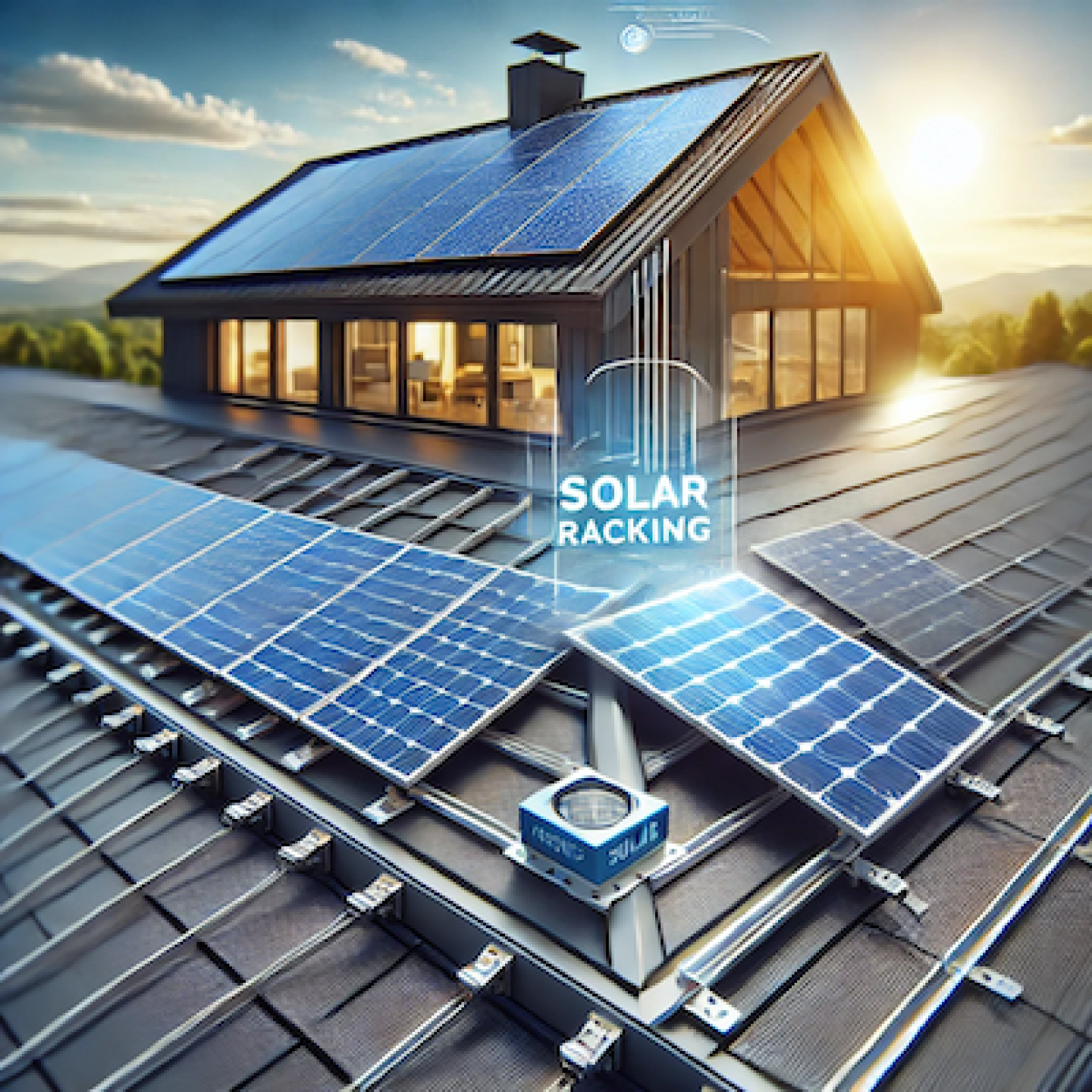
As the solar industry continues to innovate, solar racking systems have become more advanced, offering efficient, durable, and installation-friendly solutions. One standout system is the Solar Stack racking system, designed to simplify the process of installing solar panels on residential and commercial properties. With its non-penetrating approach and ability to work on various roof types, Solar Stack is gaining popularity among solar energy companies.

This article will explore Solar Stack’s main features, how it works, the key benefits of using it, and some potential concerns to consider for your solar installation company.


Main Features of Solar Stack

  1. Non-Penetrating System
    Solar Stack is a non-penetrating solar racking system, which means it doesn’t require drilling holes into the roof for installation. It uses a high-strength adhesive foam to secure the racking system to the roof, making it a popular choice for solar panel installers looking to avoid roof damage.
  2. Works on Various Roof Types
    The Solar Stack system can be used on a variety of roof types, including flat and sloped roofs. It is highly compatible with roofing materials such as TPO, EPDM, concrete, and modified bitumen, making it a versatile option for solar installation companies working on diverse projects.
  3. Wind Load and Durability
    Solar Stack is tested and certified to withstand high wind loads, meeting the strict Miami-Dade County NOA (Notice of Acceptance) standards. This makes it a top choice for solar installations in hurricane-prone areas where wind uplift requirements are stringent.
  4. Quick Installation Process
    Since Solar Stack requires no mechanical fasteners or roof penetrations, it significantly speeds up the installation process. This can reduce labor time for solar energy companies and allow for faster project completion.

How Solar Stack Works

The Solar Stack racking system uses a foam adhesive that is applied directly to the roof’s surface. The foam creates a strong, permanent bond with the roof, eliminating the need for roof penetrations. Once the adhesive has cured, mounting blocks are installed on top of the foam to securely hold the solar panels in place. The system is designed to provide a stable foundation for solar power systems while maintaining the integrity of the roof structure.


Main Benefits of Solar Stack

  1. No Roof Penetrations
    One of the biggest advantages of the Solar Stack system is that it eliminates the need for roof penetrations. This greatly reduces the risk of roof leaks, water damage, or voiding roof warranties. For property owners who are concerned about maintaining their roof’s longevity, this is a major selling point.
  2. Faster Installation
    Solar Stack’s adhesive system allows for much faster installation compared to traditional racking methods. This can reduce the overall project timeline for solar contractors, which in turn leads to cost savings.
  3. Hurricane Resistance
    Solar Stack is engineered to withstand high wind speeds, making it an excellent choice for properties located in areas prone to hurricanes or extreme weather. Its wind resistance, combined with the non-penetrating installation method, ensures that the solar panels remain securely attached even under harsh conditions.
  4. Lightweight
    The Solar Stack system is lightweight, which reduces the load on the roof. This is beneficial for older buildings or roofs that have lower load-bearing capacity, making it easier for solar energy companies to install without major structural modifications.
  5. Preserves Roof Warranty
    Since Solar Stack is a non-penetrating solution, it is less likely to void roof warranties. This is a crucial advantage for homeowners and commercial property owners who want to ensure their roof’s warranty remains intact after a solar power system installation.

Possible Concerns

  1. Adhesive Reliability Over Time
    Although the adhesive used by Solar Stack is rigorously tested, there may be concerns about its long-term durability in certain climates, such as areas with extreme heat or heavy rain. Over time, adhesives can degrade, potentially compromising the system’s security.
  2. Roof Type Limitations
    While Solar Stack is compatible with many roof types, it may not be suitable for every roofing material or configuration. For example, roofs with very steep pitches or certain coatings may have bonding issues with the adhesive, requiring further assessment before installation.
  3. Installer Expertise
    Since Solar Stack is a relatively new technology, not all solar contractors may be experienced with its installation process. It’s important to work with certified or experienced installers to ensure the adhesive is applied correctly.

Conclusion

The Solar Stack racking system offers a highly efficient, non-invasive solution for mounting solar panels on various roof types. With benefits such as faster installation, no roof penetrations, and resistance to high winds, it is an ideal option for property owners in areas with harsh weather conditions, particularly hurricane-prone regions. However, careful consideration of the roof type and long-term adhesive reliability is essential to ensure a successful installation.

For solar companies, Solar Stack can be a game-changer in terms of installation efficiency and reducing risks associated with traditional racking methods. By consulting experienced installers, you can make the best decision for your solar project and ensure a long-lasting, high-performance solar energy system.


References

  1. Solar Stack Racking System Overview
  2. Miami-Dade NOA Certification
  3. Roofing Materials and Solar Installations
  4. Wind Load Standards and Solar Panels
  5. Preserving Roof Warranty with Solar


Solar + Battery For Hurricane

Solar Preparedness With Battery Backup Are Becoming A Necessity For Floridians

The Importance of Solar and Battery Backup to Protect Your Family During Power Outages and Hurricanes in Florida

Introduction

Power outages can be inconvenient and, in extreme situations, even life-threatening. For families in Florida and other areas prone to hurricanes and severe storms, having access to reliable power during an outage is crucial. A solar power system in Florida combined with a battery backup provides a robust and reliable solution to ensure your home remains powered during emergencies, especially in hurricane-prone regions like Orlando. With increasing climate disruptions, installing solar with battery storage is more important than ever for protecting your family, ensuring safety, and keeping your home running smoothly when the grid goes down.

In this article, we'll explore the benefits of solar and battery backup systems, how they protect families during power outages and hurricanes, and why they’re an essential investment for any homeowner in Florida.

Why Power Outages Can Be Critical During Hurricanes in Florida

Hurricanes and severe storms can lead to prolonged power outages that last for days or even weeks. During a power outage:

  • Communication and Safety Systems Fail: Cell phones, internet, and emergency alert systems may be rendered useless without power to charge devices.
  • Food Spoilage: Refrigerators and freezers without power can lead to food spoilage, posing health risks and increasing costs.
  • Essential Medical Devices: Many rely on devices such as oxygen concentrators, CPAP machines, or at-home dialysis units that need power to function.
  • Heating and Cooling Loss: Loss of air conditioning or heating can be dangerous, especially in Florida's hot and humid climate, increasing risks of heatstroke or other heat-related health issues.

A solar energy system in Orlando or any part of Florida with battery backup provides a solution by delivering a reliable and sustainable source of power, even when the grid is down.

How Solar and Battery Backup Work Together in Florida

Solar Panels

A solar energy system harnesses power from the sun and converts it into electricity to power your home. However, without a battery backup, most traditional solar systems automatically shut down when the power grid goes down. This is to prevent backfeeding energy into the grid, which could be dangerous to utility workers.

Battery Backup

A battery backup stores excess energy produced by your solar panels during the day. When the grid goes down, the battery system automatically switches to provide power to your home, allowing you to continue using lights, appliances, and critical systems. Battery storage systems are often designed to prioritize the most essential circuits, so you’re not wasting power on less important loads.

Together, a solar power system in Florida paired with battery backup ensures your family has access to reliable, clean energy during power outages caused by hurricanes and other emergencies.

Benefits of Solar and Battery Backup During Hurricanes and Power Outages in Florida

1. Reliable Power for Essentials

During an extended power outage, the last thing you want to worry about is how to keep your family safe and comfortable. A solar and battery backup system can power critical appliances such as:

  • Refrigerators and freezers to keep food fresh.
  • Lights to ensure visibility during nighttime.
  • Communication devices like phones, tablets, and radios to stay informed.
  • Essential medical devices that require continuous power.

By prioritizing your most important circuits, a battery backup system allows you to keep critical systems up and running.

2. Protection During Natural Disasters

Areas like Orlando and the greater Florida region are prone to hurricanes, storms, and flooding, which can cause severe damage to power lines and the grid. Solar and battery backup systems provide:

  • Resilience Against Grid Failures: A solar energy system in Florida with battery storage works independently of the power grid, meaning that even if your neighborhood loses power, your home can still have power from stored solar energy.
  • Preparedness for Storms: Knowing that your battery backup system is fully charged before an anticipated hurricane or storm can provide peace of mind, ensuring you’re prepared to weather any power outage.

3. Cost Savings and Efficiency

A solar energy system in Orlando paired with a battery backup not only provides protection during power outages but can also lead to long-term cost savings:

  • Avoid High Utility Rates: During regular use, battery systems can help reduce energy bills by using stored solar energy during peak times when utility rates are higher.
  • Net Metering Advantages in Florida: In some areas, excess power generated by your solar panels can be fed back to the grid in exchange for credits. This way, you’re not only saving on your bills but also contributing to the local power supply.
  • Maximized Solar Energy Use: By storing solar energy for later use, your solar system is more efficient, allowing you to use more of the energy your system produces.

4. Environmentally Friendly & Sustainable

Solar energy is a clean, renewable source of power. By using a solar system with a battery backup, you’re reducing your reliance on fossil fuels, lowering your carbon footprint, and contributing to a healthier planet. Even during power outages, you’re using stored solar energy to keep your home running sustainably.

5. Increased Property Value

Homes with solar energy systems and battery backup in Florida tend to have higher property values. Potential buyers see the value in having a reliable, renewable power source, especially in areas susceptible to hurricanes or frequent power outages. Installing a solar system with battery storage is not just an investment in your family's safety but also in your property's future value.

Choosing the Right Solar and Battery Backup System in Florida

When selecting a solar and battery backup system, it’s important to consider the following factors:

  • Battery Capacity & Power Rating: How much energy the battery can store and how quickly it can deliver power are key. Ensure that your battery has the capacity to power your essential loads during an outage.
  • Solar System Size: The size of your solar system will impact how much power can be stored in your battery backup. A larger system can generate more energy to charge your battery quickly.
  • Battery Chemistry: There are different battery types, such as Lithium-Ion or Lithium Iron Phosphate (LiFePO4), which vary in cost, lifespan, and performance.
  • Off-Grid or Hybrid Capabilities: Some systems allow for both grid-tied and off-grid operation, providing flexibility in how you use your solar and battery backup system.

Importance of Proper Sizing and Load Calculation

When selecting a battery backup system, one of the most critical considerations is ensuring it is properly sized for your specific energy needs. An undersized battery may not provide enough power during an outage, while an oversized battery could be an unnecessary expense. To achieve the optimal balance, it's crucial to perform a load calculation to determine how much power you need to sustain your essential appliances and systems during an outage.

How to Perform a Load Calculation

  1. Identify Essential Loads: Make a list of the devices and appliances you want to keep running during a power outage. This typically includes items like refrigerators, freezers, lights, medical equipment, communication devices, and sometimes air conditioning or heating systems.
  2. Calculate Power Requirements: Check the power ratings (in watts) for each appliance or device on your list. You can find this information on the appliance's label or user manual.
  3. Determine Usage Duration: Consider how many hours each appliance or device will need to operate during an outage. This will help you calculate the total watt-hours (Wh) of energy required.
  4. Sum Up Total Watt-Hours: Multiply the wattage of each device by the number of hours it will be used, then add all the totals together. This gives you an estimate of the total energy required for your critical loads during a power outage.

Why Proper Sizing is Important

  • Avoid Overloading the Battery: A correctly sized battery ensures that your backup system can handle the total load without overloading, which could cause the system to shut down or malfunction.
  • Optimize Battery Life & Efficiency: A battery that is sized appropriately for your energy needs will cycle efficiently, extending its life and maintaining optimal performance.
  • Balance Cost and Performance: Properly sizing your battery allows you to achieve the right balance between cost and performance, ensuring that you're not spending more on storage capacity than needed, while still maintaining reliable backup power.

A professional solar contractor in Orlando or anywhere in Florida can assist in performing accurate load calculations and selecting the right battery capacity for your needs. This ensures that your solar and battery backup system provides reliable power when it’s needed most, maximizing your family’s safety and comfort during power outages or hurricanes.

Conclusion

The combination of solar energy and battery backup provides a powerful solution to ensure your family stays safe, comfortable, and connected during power outages and hurricanes. Not only does this system provide reliable power when the grid fails, but it also helps save on energy costs, increases your property value, and contributes to a more sustainable future.

If you live in a hurricane-prone region like Florida or are concerned about frequent power outages, investing in a solar and battery backup system in Orlando is a proactive step to safeguard your family, protect your home, and maintain energy independence. By working with a qualified solar contractor in Florida, you can ensure your system is designed to handle your specific needs, keeping your lights on and your family safe, no matter the weather.


References:

  1. Florida Solar Incentives and Rebates
  2. NREL: Battery Storage for Resilience in Hurricanes
  3. U.S. Department of Energy: Solar and Battery Backup Systems
  4. SEIA: Benefits of Solar Storage During Power Outages
  5. Orlando Utilities Commission: Solar Programs and Resilience
Solar Tax Credit

2024 Solar Tax Credit end 12/31 - Don't Miss It

Benefits of Purchasing Solar at the End of the Year to Collect the 2024 30% ITC
As 2024 comes to a close, many homeowners and business owners in Florida are making the strategic decision to invest in solar energy before the year ends. One of the key motivators driving this rush is the opportunity to take advantage of the federal 30% Investment Tax Credit (ITC). This credit significantly reduces the cost of a solar installation, and purchasing solar panels before the end of the year ensures eligibility to claim it for the current tax year. Let’s explore the benefits of installing solar power in Orlando and throughout Florida before December 31st, 2024.

1. Maximizing the 2024 30% ITC Before It’s Too Late
The ITC allows you to claim 30% of the cost of your solar installation as a credit on your federal tax return. If you install your solar energy system before the year ends, you can claim the ITC on your 2024 tax return, potentially lowering your tax liability significantly. For example, if your solar panels cost $25,000, you would be eligible for a $7,500 tax credit, reducing the overall financial burden of going solar.

In Florida, this credit can be a game-changer for both homeowners and businesses. The important thing to remember is that you only qualify for the credit if your system is fully installed and operational by the end of the calendar year. Waiting until next year means delaying your ability to claim the credit, potentially missing out on a faster return on investment.

2. Combatting High End-of-Year Electricity Bills in Florida
Residents of Orlando and across Florida experience high electricity consumption throughout the year, especially during the hot summer months. For homeowners and businesses, this means higher energy bills as they battle to keep their spaces cool. Investing in solar energy toward the end of the year can immediately offset these high utility costs.

Once your solar power system is installed, you begin generating your own electricity from day one. Instead of paying your utility company, your energy costs are offset by the solar energy produced. With solar financing options in Orlando, you could be paying less each month than you were for electricity, making it a smart way to stabilize your energy budget heading into the new year.

3. Qualifying for 2024 Tax Returns
One of the biggest advantages of going solar before the year ends is that you don’t have to wait long to see the financial benefits. Filing your 2024 taxes means you can claim the 30% ITC and immediately reduce your tax liability or even increase your tax refund. By waiting until 2025 to install solar panels, you delay these benefits by a full year.

Additionally, if you anticipate having a large tax burden for 2024, using the ITC can substantially lower the amount you owe. This is especially beneficial for business owners in Florida, who might face significant tax payments, as the ITC can help alleviate some of the financial pressure.

4. Avoiding Potential Future Changes in the ITC
While the federal government has committed to maintaining the ITC at 30% for solar energy systems completed between 2022 and 2032, economic or political shifts can sometimes lead to changes in policy. By purchasing your system in Orlando before the end of 2024, you lock in the maximum ITC percentage available today. If any changes were to occur in the future, you would already have claimed the full 30%, ensuring your investment remains as cost-effective as possible.

5. Beating Rising Material and Installation Costs
As demand for solar energy grows in Florida, material and labor costs are expected to increase. Waiting until 2025 could mean paying more for the same solar installation simply due to rising prices or supply chain constraints. By securing your solar power system now, you lock in the current rates and avoid paying higher prices in the future.

Additionally, some local utilities and municipalities in Florida offer additional rebates or incentives for solar installations, which may change or expire in the new year. Purchasing your system before the end of 2024 ensures you don’t miss out on local financial incentives that may not be available later.

6. Capitalizing on Florida-Specific Incentives
While the ITC is a substantial financial incentive, residents in Orlando and across Florida have access to additional rebates, credits, or incentives for solar energy installations. These programs may have end-of-year deadlines, meaning that if you wait until next year, you could miss out on stacking multiple incentives.

In Florida, for example, utility companies such as Duke Energy and Florida Power & Light (FPL) offer rebates or energy credits for homeowners and businesses that go solar. The earlier you install your solar panels, the sooner you can start benefiting from these programs, further reducing your overall costs.

7. Starting 2025 with Energy Independence
Investing in solar power at the end of the year allows you to begin 2025 with energy independence. By reducing or eliminating your reliance on the grid, you’re protecting yourself from future energy price hikes. Utility companies in Florida have historically increased their rates, with recent years seeing substantial spikes.

A solar installation locks in your energy costs, allowing you to avoid these unpredictable rate hikes. This energy independence becomes even more valuable in times of inflation or global energy crises, giving you peace of mind that your electricity costs remain stable.

Conclusion
Purchasing solar panels at the end of 2024 is not just about taking advantage of the 30% ITC, although that is a major benefit. It’s also about combating rising energy costs in Florida, qualifying for tax benefits sooner, and protecting yourself from future rate increases. If you’re considering going solar in Orlando or anywhere in Florida, there’s no better time than now to act and take full advantage of the financial incentives and benefits available before the year is over.

Make sure to consult with a solar company in Florida to ensure your system is installed before the December 31st deadline to maximize your savings and enjoy all the benefits solar energy has to offer.

References:

Commercial Solar Battery Sizing

Sizing Commercial Solar Batteries - How To & Common Mistakes To Avoid

Commercial Solar Battery Sizing

There is a notable difference when sizing batteries for larger commercial solar systems compared to residential systems. Commercial solar battery sizing generally follows the same principles as residential battery sizing but involves larger capacities, more detailed analysis, and considerations specific to the commercial environment. Here are some key factors that make a difference:


Key Factors in Commercial Solar Battery Sizing

  1. Higher Energy Demands
    Commercial buildings typically consume significantly more energy than residential homes, meaning the battery size will need to be scaled accordingly. The load profile is more complex, often including equipment like HVAC systems, industrial machinery, elevators, and lighting systems, all of which require higher energy capacity and longer backup duration.
  2. Demand Charges and Peak Load Management
    Many commercial facilities face demand charges, which are fees based on the highest rate of electricity consumption during peak periods. Sizing a battery system for a commercial setting often involves managing these demand charges. Batteries can help reduce these charges by supplying power during peak demand times.For Commercial Solar Companies, sizing is not just about storing energy for backup; it's also about optimizing the battery to discharge during peak usage periods to avoid demand charges.
  3. Longer Duration Requirements
    Commercial buildings may require longer backup periods compared to residential homes. Essential systems (e.g., servers, security systems, and operational machinery) need to be powered for extended periods, which calls for larger batteries with higher energy storage.
  4. Scalability and Modular Systems
    Commercial batteries are often modular and scalable, meaning businesses can install multiple battery units to meet their energy needs. This allows the system to be expanded over time as the energy consumption of the building increases.

Sizing Equations for Commercial Solar Batteries

1. Determine Energy Needs (kWh)

The first step is to calculate the total energy consumption of the commercial facility. This involves identifying all critical systems and their daily energy usage.

java
Total Energy Consumption (Wh) = Power Rating (W) × Hours of Operation (h)

For example, if a commercial facility uses 100 kW of power for 10 hours a day:

100,000 W × 10 hours = 1,000,000 Wh or 1,000 kWh

2. Demand Load and Peak Management

Commercial solar batteries are often used for peak shaving to reduce demand charges. The battery needs to be sized not only to meet the total daily consumption but also to handle spikes in energy usage during peak demand times.

java
Peak Energy Consumption (kWh) = Peak Load (kW) × Duration of Peak Period (h)

For example, if the peak load is 150 kW during a 3-hour period:

150 kW × 3 hours = 450 kWh

3. Depth of Discharge (DoD)

Commercial batteries, like residential ones, have a Depth of Discharge (DoD), which affects how much of the battery’s capacity can be used. Commercial systems often use high DoD batteries, typically around 80-90%.

java
Required Battery Capacity = Energy Consumption / Depth of Discharge

If a commercial facility needs 1,000 kWh and the battery has a DoD of 90%:

1,000 kWh / 0.90 = 1,111 kWh battery capacity

4. Consider Efficiency and Inverter Capacity

Commercial solar inverters and battery systems have efficiency losses during energy conversion. If the battery system has an 85% efficiency, the battery capacity should be adjusted:

java
Adjusted Battery Capacity = Required Battery Capacity / System Efficiency

For example, with a system efficiency of 85%:

1,111 kWh / 0.85 = 1,307 kWh battery capacity

5. Future Energy Needs and Scalability

Commercial systems must account for future growth. Commercial batteries can be modular, so the system should be sized to allow for scalability based on projected energy demand increases.

6. Surge and Backup Duration

Many commercial systems have larger surge loads, such as elevators or industrial equipment. Batteries need to be sized to handle these loads, especially if backup duration is required for extended hours or even days.


Benefits of Commercial Solar Battery Systems

  1. Cost Savings and Demand Management
    One of the biggest advantages of commercial solar batteries is the ability to lower electricity costs by reducing demand charges. These systems can store energy generated during off-peak times and discharge it during peak usage, leading to substantial savings.
  2. Energy Resilience
    In regions where grid outages are common, a commercial solar battery system ensures continuous power for critical operations like HVAC systems, refrigeration, and security systems. This resilience can be crucial for businesses that can't afford downtime.
  3. Environmental Impact
    Commercial solar batteries help businesses reduce their reliance on fossil fuels by storing clean, renewable energy. This leads to lower greenhouse gas emissions and a more sustainable operation.
  4. Improved Energy Independence
    With commercial solar energy systems and battery storage, businesses become less dependent on the grid. This not only provides financial benefits but also positions companies as leaders in sustainability.

Common Mistakes When Sizing Commercial Solar Batteries

Before diving into the concerns, it’s important to note some of the most common mistakes businesses make when sizing and implementing commercial solar battery systems. Avoiding these pitfalls can ensure a more efficient and cost-effective energy storage solution.

1. Underestimating Energy Needs

A common mistake is underestimating the actual energy requirements of a commercial facility. This can lead to a battery system that’s too small, which won’t provide sufficient power during peak times or outages. It’s essential to carefully assess the facility’s energy usage and peak loads when sizing the battery to avoid this issue.

2. Ignoring Peak Load Management

Businesses often fail to account for demand charges and peak load management, which are critical for commercial operations. Simply installing a battery system without considering peak usage periods can result in suboptimal savings. Properly sizing a commercial solar battery to handle peak load and discharge during these times is key to maximizing savings.

3. Improper Depth of Discharge (DoD) Calculations

Misunderstanding or ignoring the Depth of Discharge (DoD) can lead to a battery being overused or underused, which impacts its lifespan and efficiency. Commercial solar batteries should be sized with an appropriate DoD to ensure they are used optimally without over-discharging.

4. Overlooking Future Expansion

As a business grows, energy needs will likely increase. Failing to account for future growth can result in a battery system that quickly becomes inadequate. Choosing modular systems and allowing for scalability can help future-proof the battery installation.

5. Inadequate Inverter Sizing

The inverter is responsible for converting the DC electricity generated by solar panels and stored in the battery into usable AC power. Choosing an inverter that is too small to handle the system’s load can lead to inefficiencies and a lack of backup power during critical times. It’s essential to size the inverter properly for both peak and continuous loads.

Possible Concerns with Commercial Solar Battery Systems

  1. High Initial Costs
    The upfront cost of installing a commercial solar battery system can be high, especially for larger businesses with significant energy needs. Although the long-term savings often outweigh these costs, the initial investment can be a barrier for some companies.
  2. Space Requirements
    Commercial battery systems often require significant space, especially if they are modular and designed to scale. Businesses must ensure they have adequate room for the installation, which may be challenging in urban areas.
  3. Battery Lifespan
    Like all batteries, commercial solar batteries have a limited lifespan, typically around 10-15 years. Over time, battery performance can degrade, and replacement costs should be factored into long-term planning.
  4. Maintenance Needs
    While solar panels themselves require little maintenance, commercial battery systems may need regular inspections and servicing to ensure they operate efficiently.

Conclusion

For commercial solar batteries, the sizing principles are similar to residential systems, but with added complexity due to higher energy demands, demand charge management, scalability, and longer backup requirements. Commercial batteries are typically larger and modular, and the system design is tailored to optimize both energy savings and peak demand reduction.

If you’re considering a commercial solar battery system, it’s essential to work with a commercial solar contractor to properly assess energy needs and design a system that meets your business's specific requirements.


References:

  1. https://www.energy.gov/eere/solar/commercial-solar-batteries
  2. https://www.forbes.com/home-improvement/solar/commercial-solar-storage-systems/
  3. https://www.cleanenergyauthority.com/solar-energy-news/commercial-solar-benefits
  4. https://www.solarpowerworldonline.com/2023/02/how-to-size-commercial-solar-battery-storage/
  5. https://www.nrel.gov/docs/fy19osti/74109.pdf
Cleaning solar panels

Why, When, and How to Clean Your Solar Panels? Here’s a Complete Guide!

People in many parts of this world are experiencing an extreme lack of electricity, aka energy sources that could light up their homes, act as fuel to their machinery and provide them with a better/ easy life. The energy crisis is a serious issue that has been prevailing for a long time. People have been trying to counter it by using natural resources to generate power, one among them being sunlight. 

Although it can be considered a new-found invention, generating energy directly from sunlight has proven to be more resource and cost-effective because it is available to us in superabundance. Electricity thus generated is better termed solar power, created by maneuvering PV panels (photo-voltaic) that absorb the sun's rays into usable energy. Generally, a power grid is integrated with these solar panels responsible for converting the Direct Current (DC) perceived into Alternating Current (AC), which appliances can use. 

What Are the Common Solar Blockers?

Solar panels are, in fact, quite easily exposed to natural elements that block their usual functionality of absorbing the sunlight. These solar blockers can be leaves, dust, debris, etc. Such recurring blockage could certainly be avoided if you plan to clean your solar panels now and then. Elements in your surroundings could be - 

  1. Dust - Dust particles could easily accumulate on the surface of your solar panels and remain there until an additional force acts on them, like you intend to clean it or it rains.
  2. Leaves or Twigs - Other commonly found items on solar panels are leaves and small branches of the trees in the people's surroundings. This mostly depends upon the geographical location of your solar panels and your home. If tall trees surround your house, you may see leaves falling onto the solar panels, more often in the Autumn season.
  3. Water - A combination of dust particles and twigs could become a bigger hassle when it pours down. The undesirable rainwater could further block the solar panels and minimize your system's efficiency.

Why Clean Your Solar Panels Periodically?

It is common for solar panels to get less cleaning and care due to their owners' busy routines. However, cleaning them occasionally, if not regularly, has been significantly helpful. Let's explore a few reasons why it should be done - 

  • Improves efficiency - System performance and efficiency levels are parameters most owners trust for their solar panels. The more they perform better and generate electricity, the better they are. Regular maintenance and day-to-day cleaning must do the job to achieve such results. Before the summer arises, you must plan and clean the panels from the surface area for them to absorb maximum sunlight and produce power. Doing so, you will surely notice the difference in performance. 
  • Improve Durability - Routine cleaning of the solar panels is often mentioned as a requisite in the user manual guides that come with the mechanism. The reason is that excessive dust and debris could significantly damage solar panels and lower their lifespan. Therefore, you can contribute significantly to the wear and tear of the system. To improve its durability, adopt a cleansing routine for your solar panels. 
  • Aesthetically Appeal - Solar-powered panels are a part of the latest housing trends, and homeowners wouldn't want their premises to look aged or out of trend. To bring a new, fancy look to your solar panels, one must keep them thoroughly cleaned and well-maintained.
  • Get an Opportunity to Inspect - And lastly, when you clean your solar panels more often, you get to inspect and analyze the issues in the system, if any. The earlier the issue is detected, the better it is. The condition of the complete system can be derived if you clean it periodically. 

When to Clean Your Solar Panels?

Extensive cleaning can be ventured once or twice a year and with the aid of designated professionals only. Nevertheless, if your warranty agreement states or provides you with a few additional cleaning services during the contract, do avail the opportunity and take advantage of their assistance. It is recommended to clean your solar panels before the arrival of summer, as the changing season brings with it environmental pollutants.

How to Clean Your Solar Panels?

Homeowners can use professional cleaning services or DIY it to clean their solar panels. The procedure requires a bucket of warm water, cleaning soap or detergent, mushy fiber cloths, and a sponge. 

Start by adding the dish soap to a piece of cloth and pour some hot water on it. Begin to lightly nudge or clean the panel and ensure gentle taps only. Since these panels are the source to absorb sunlight, you mustn't knock them off and damage the system. Continue the procedure till the entire surface is immaculate and looks like new!

Why Seek Professional Help?

If you need a hand, connect with your area's professional solar panel cleaners to expect better results. DIY cleaning is easy to apply, but some homeowners seek professional help to avoid the hassle. Professionals are better at this task because they acquire specialized training and expertise that qualifies them to determine the condition of your solar panels and work on them accordingly. 

Conclusion…

As solar panels are expensive equipment that needs proper care and maintenance, reaching out to expert professionals is beneficial. Luckily, you can contact Emerald Sun Energy, a Solar Installation Company in Orlando that caters to services like panel installation, cleaning and inspection tasks, etc. We have a designated service program that allows our customers to benefit from our dedicated services and experience. At Emerald Sun Energy, we aspire to prioritize our customer's needs and provide an action plan based on their requirements. Reach out to us if you need technical assistance!

emerald-sun-energy-logo-600

Contact us

2151 Consulate Dr

Orlando, FL 32837

info@emeraldsunenergy.com

Office: (407) 504-0922

Florida Lic #CVC57145

Lic #EC13010058