Birds Solar Panels

Preventing Birds from Nesting Under Solar Panels in Orlando

Birds nesting under solar panels can create significant issues for homeowners in Orlando. From reducing the efficiency of your solar energy system to causing long-term damage, bird activity can be more than just a nuisance. This guide explains how to prevent birds from nesting under your solar panels and what to do if they’ve already made a home there. With the right steps and solutions, you can protect your solar panels in Orlando and maintain their efficiency for years to come.


Why Birds Nest Under Solar Panels

The Orlando climate, with its abundant sunshine and occasional rainy days, makes solar panels an excellent energy solution. However, the shaded and sheltered areas under solar panels also attract birds looking for protection from predators and the elements. This can lead to:

  • Blocked sunlight: Accumulated droppings and nesting materials reduce panel efficiency.
  • Damage: Birds can chew on wiring or damage components.
  • Hygiene issues: Bird droppings can pose health risks and create unpleasant odors.

Preventing Birds from Nesting Under Solar Panels in Orlando

1. Install Bird Mesh

  • Why It Works: Bird mesh acts as a physical barrier around the edges of your solar panels, preventing birds from entering.
  • Local Installation Tips:
    • Use UV-resistant materials to withstand Florida’s sunlight and humidity.
    • Ensure the mesh is tightly secured to prevent gaps that birds can exploit.
    • Hire a local solar contractor in Orlando to install bird mesh professionally.

2. Use Plastic Spikes

  • Why It Works: Plastic spikes discourage birds from perching near your panels, making the area less inviting.
  • Best Practices:
    • Install spikes along roof edges, gutters, and other potential landing spots.
    • Opt for flexible spikes to conform to uneven surfaces around your solar panels in Orlando.

3. Ultrasonic Bird Repellents

  • Why It Works: These devices emit high-frequency sounds that are irritating to birds but undetectable to humans and pets.
  • Tips for Orlando Homes:
    • Choose outdoor-rated ultrasonic devices to handle Florida’s weather.
    • Combine repellents with physical deterrents like bird mesh for maximum effectiveness.

4. Decoy Predators

  • Why It Works: Birds avoid areas where they perceive a threat, such as predators like hawks or snakes.
  • Orlando-Specific Advice:
    • Place decoys near solar installations in Orlando and move them regularly to maintain effectiveness.
    • Opt for decoys with motion features to mimic real predators.

5. Routine Maintenance

  • Why It Works: Regular inspections catch early signs of bird activity before it becomes a bigger problem.
  • Orlando-Specific Recommendations:
    • Inspect your solar panels after Florida’s stormy seasons to check for nesting debris.
    • Use a soft brush or blower to remove dirt and leaves.

Dealing with Birds That Have Already Nested

If birds have already started nesting under your Orlando solar panels, follow these steps:

  1. Check for Protected Species
    • Some birds, like Florida’s scrub-jays, are legally protected. Consult local wildlife agencies before removing nests.
  2. Hire Professionals
    • Contact a local solar contractor in Orlando or pest control expert to safely remove nests and clean the area.
  3. Sanitize the Area
    • Clean and disinfect the space to remove droppings and nesting materials.
  4. Inspect for Damage
    • Check for damaged wiring or panels and make necessary repairs.
  5. Install Preventive Measures
    • After removal, install bird mesh or spikes to prevent re-nesting.

Why Prevention Matters

  • Efficiency: Keep your solar panels in Orlando operating at peak efficiency by reducing debris and shading.
  • Longevity: Prevent damage to wiring and components caused by bird activity.
  • Health and Hygiene: Avoid health risks associated with bird droppings.

References

  1. https://www.energy.gov/eere/solar/bird-deterrent-tips-for-solar-panels - U.S. Department of Energy: Bird Deterrent Tips
  2. https://www.solarpowerworldonline.com - Solar Power World: Maintaining Solar Panel Efficiency
  3. https://www.audubon.org - Audubon Society: Bird Behavior and Habitat Tips
  4. https://www.fsec.ucf.edu/en/ - Florida Solar Energy Center: Solar Panel Maintenance
  5. https://www.dsireusa.org - DSIRE: Florida Solar Incentives
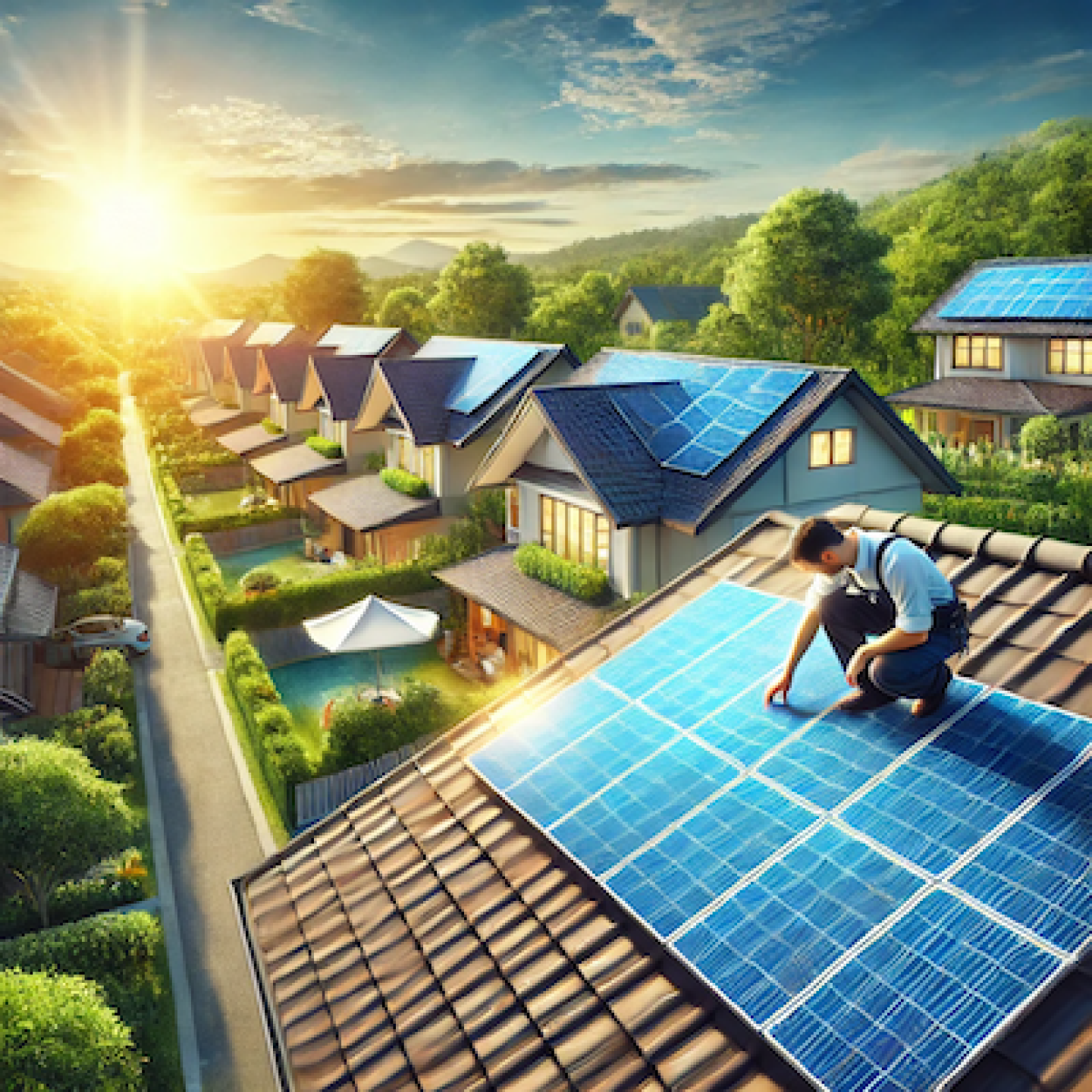
Solar Energy Myths debunked

Top Myths About Solar Energy Debunked

As the popularity of solar energy grows, so do the misconceptions surrounding it. While solar power has proven to be an efficient, cost-effective, and sustainable energy solution, myths and misunderstandings can deter homeowners and businesses from making the switch. This article addresses and debunks the top myths about renewable energy and solar power, providing clarity on what solar energy can truly offer.


Myth 1: Solar Panels Don’t Work on Cloudy or Rainy Days

Reality: Solar panels generate electricity even on cloudy or rainy days. While solar production is highest in direct sunlight, panels still capture and convert diffused light into energy during overcast conditions. Modern solar panels are designed to be highly efficient, ensuring reliable performance even in less-than-perfect weather.


Myth 2: Solar Energy is Too Expensive

Reality: Solar energy is more affordable than ever. Costs for solar panel systems have dropped by over 70% in the last decade. Additionally, incentives like the Federal Investment Tax Credit (ITC), state-level rebates, and net metering programs significantly lower the upfront and ongoing costs of solar installations.

Solar panels also provide long-term savings by reducing utility bills and protecting against rising electricity rates, making solar energy a sound financial investment.


Myth 3: Solar Panels Require Constant Maintenance

Reality: Solar panels are low-maintenance. They are designed to withstand harsh weather conditions, including rain, snow, and wind. Occasional cleaning to remove debris, dirt, or bird droppings is typically sufficient. Most solar systems come with warranties of 25 years or more, providing additional peace of mind.


Myth 4: Solar Panels Will Damage My Roof

Reality: When installed by a professional solar company, solar panels can actually protect your roof by shielding it from UV rays, weather, and wear. Properly installed panels are secure and do not cause damage. In many cases, they extend the lifespan of the roof underneath them.


Myth 5: Solar Energy is Only for the Wealthy

Reality: Solar energy is accessible to a wide range of income levels thanks to financing options like solar loans, leases, and Power Purchase Agreements (PPAs). Many states also offer programs to help low- and moderate-income households access solar energy.


Myth 6: Solar Panels Don’t Work in Cold Climates

Reality: Solar panels are actually more efficient in cooler temperatures. They produce electricity from light, not heat, meaning they perform well in both hot and cold climates. In fact, cold temperatures can improve solar panel efficiency by reducing resistance in the electrical system.


Myth 7: Solar Energy Systems Aren’t Durable

Reality: Modern solar panels are built to last. They are designed to endure extreme weather conditions, including hail, high winds, and heavy snow. High-quality panels are rigorously tested and come with warranties that ensure long-term performance.


Myth 8: Solar Energy Isn’t Worth the Investment

Reality: Solar energy offers immediate and long-term returns on investment. By reducing or eliminating utility bills, homeowners and businesses often recover their initial costs within 5-10 years. With a lifespan of 25+ years, solar panels continue to generate savings for decades.


Myth 9: Solar Panels Are Difficult to Recycle

Reality: The solar industry has made significant strides in recycling technology. Many components of solar panels, including glass, aluminum, and silicon, are recyclable. Programs and facilities dedicated to recycling panels are becoming more widely available as the industry grows.


Myth 10: Solar Energy Won’t Work With My Home or Business

Reality: Solar energy systems can be customized to fit almost any property. From rooftop installations to ground-mounted systems, solar companies can design solutions tailored to individual energy needs and property constraints.


Conclusion

Solar energy is an efficient, affordable, and sustainable power source, but myths and misconceptions can prevent people from taking advantage of its benefits. By understanding the realities of renewable energy, homeowners and businesses can make informed decisions about switching to solar power.

For more information or to explore your options, contact a trusted solar company today.


References

  1. https://www.energy.gov/eere/solar/articles/debunking-myths-about-solar-energy
  2. https://www.seia.org/initiatives/solar-energy-myths-and-facts
  3. https://www.nrel.gov/docs/fy19osti/73822.pdf
Solar Orlando Company

Why Solar Power is Perfect for Orlando Homeowners

Orlando homeowners have a unique opportunity to benefit from solar power thanks to abundant sunshine, favorable incentives, and rising electricity costs. Solar energy systems can significantly lower utility bills, increase home value, and support a cleaner environment, making them a smart investment for Florida residents.

This article explores the key reasons why solar power is the perfect choice for Solar Orlando homeowners, addressing financial benefits, local incentives, and environmental impact.


1. Abundant Sunshine: Florida’s Natural Advantage

As the Sunshine State, Florida offers ideal conditions for solar energy:

  • High Solar Irradiance: Orlando experiences over 230 sunny days annually, maximizing energy production from solar panels.
  • Year-Round Savings: Unlike states with seasonal limitations, Florida homeowners can generate solar power throughout the year, reducing dependence on the grid.

2. Significant Financial Savings

Installing a solar energy system can dramatically reduce energy costs for Solar Orlando homeowners:

  • Lower Monthly Utility Bills: Solar systems allow homeowners to produce their electricity, leading to immediate savings. With average utility rates in Florida increasing, solar power provides long-term price stability.
  • Net Metering Benefits: Orlando Utilities Commission (OUC) and other providers offer net metering programs, enabling homeowners to earn credits for excess energy sent back to the grid.

3. Local and Federal Incentives

Several incentives make solar energy more affordable for Residential Solar Orlando installations:

  • Federal Solar Tax Credit (ITC): Homeowners can claim 30% of the system's cost as a tax credit, significantly lowering upfront expenses.
  • Property Tax Exemptions: In Florida, the increased property value from solar installations is exempt from property taxes.
  • Sales Tax Exemptions: Solar panels and related equipment are exempt from Florida’s state sales tax, reducing the overall system cost.

These incentives make solar power a financially viable option for most Orlando homeowners.


4. Increased Home Value

Installing solar panels can increase the resale value of a home in Orlando:

  • Studies show that solar-equipped homes sell faster and for higher prices compared to non-solar homes.
  • Buyers are attracted to homes with lower energy costs and sustainable energy sources.

5. Environmental Benefits

Switching to solar energy helps Orlando homeowners reduce their carbon footprint:

  • Solar power produces clean, renewable energy without emitting greenhouse gases.
  • Adopting solar supports Florida’s efforts to transition to more sustainable energy sources and combat climate change.

6. Reliable Energy During Storms

Florida’s frequent storms and hurricanes make energy reliability a priority. Solar systems paired with battery storage provide:

  • Backup Power: Battery storage systems like Tesla Powerwall or Enphase Encharge allow homeowners to store excess energy for use during outages.
  • Energy Independence: Reduce reliance on the grid, especially during emergencies.

7. Tailored Solutions for Orlando Homes

Professional Solar Companies in Orlando can design solar systems that maximize efficiency for local conditions:

  • Custom Designs: Systems are tailored to fit specific roof orientations, shading, and energy needs.
  • Advanced Monitoring: Homeowners can track energy production and consumption through monitoring apps, ensuring optimal performance.

Why Act Now?

  • Rising Electricity Costs: Florida’s utility rates are projected to continue increasing, making now the best time to lock in savings with solar.
  • Incentives Are Time-Sensitive: Federal tax credits are available through 2032, but acting sooner ensures homeowners benefit from current rates and incentives.
  • Sustainability Goals: Adopting solar power now contributes to a cleaner, more sustainable future for Orlando and beyond.

Conclusion

Solar power is the perfect solution for Orlando homeowners seeking to save money, increase home value, and support the environment. With abundant sunshine, favorable incentives, and reliable energy options, solar energy provides unmatched benefits for Florida residents. To learn more or to get started with a customized solar solution, contact a trusted Solar Company in Orlando today.


References

  1. https://www.energy.gov/eere/solar/solar-power-in-florida
  2. https://www.ouc.com/environment-community/solar-energy
  3. https://www.dsireusa.org
Solar Panel Cleaning

A Complete Guide to Solar Panel Cleaning in Florida: Steps, Mistakes to Avoid, and Best Practices

Solar panels are a significant investment for homes and businesses in Florida, where abundant sunshine makes solar energy highly effective. However, the state’s climate, with its frequent pollen, dust, and bird droppings, can reduce the efficiency of your system. Regular cleaning is crucial to keep your solar energy system performing optimally. This guide covers proper cleaning steps, mistakes to avoid, and best practices tailored to Florida's unique environment, especially for Solar Orlando.


Steps for Cleaning Solar Panels in Florida

  1. Inspect Your Panels
    • Before cleaning, inspect your solar panels for visible debris, bird droppings, or pollen. Look for a drop in energy production, as this often signals the need for cleaning.
    • In Florida, tree pollen and coastal salt deposits can significantly impact solar efficiency.
  2. Turn Off the System
    • For safety, always turn off your solar energy system before cleaning. Consult your solar company in Florida or refer to the system’s manual for proper shutdown procedures.
  3. Gather Proper Equipment
    • Use a soft sponge or brush, a bucket of lukewarm water, and a non-abrasive detergent. Avoid harsh chemicals, which can damage your solar panels.
    • A telescoping pole with a brush attachment is ideal for cleaning rooftop systems common with Solar Orlando homes.
  4. Rinse with Water
    • Gently rinse the panels using a garden hose to remove loose debris. Use distilled or filtered water in areas of Florida with hard water to avoid mineral deposits.
  5. Clean with Soap and Water
    • Apply soapy water with a soft sponge or brush, scrubbing gently to prevent scratches.
    • Focus on removing stubborn bird droppings and pollen buildup, which are common in Orlando and coastal regions.
  6. Rinse Again
    • Rinse thoroughly to remove soap residue, as leftover soap can reduce panel efficiency.
  7. Let Air Dry
    • Allow the panels to air dry naturally. Avoid using towels or cloths that may leave streaks.

Mistakes to Avoid When Cleaning Solar Panels

  1. Cleaning During Peak Sunlight
    • Cleaning panels when they are hot can cause rapid evaporation of water, leading to streaks and residue. Clean in the early morning or late afternoon when the panels are cooler.
  2. Using High-Pressure Washers
    • High-pressure water can damage the panel surface or dislodge components. Stick to a gentle garden hose for rinsing.
  3. Walking on Panels
    • Never walk on solar panels. This can cause cracks or structural damage, reducing their lifespan.
  4. Using Abrasive Materials
    • Avoid abrasive sponges, brushes, or cleaners that can scratch the glass or damage the anti-reflective coating.

Best Practices for Solar Panel Cleaning in Florida

  1. Clean Regularly
    • Clean your panels every 6 months, or more frequently during high pollen seasons in Florida. Coastal homes may require additional cleaning to remove salt buildup.
  2. Monitor Energy Output
    • Use your monitoring system to track energy production. A sudden drop in efficiency can signal that your panels need cleaning.
  3. Hire Professionals for Difficult-to-Reach Panels
    • For rooftop systems or large-scale solar installations, hire professional solar panel cleaning services in Florida. They have the equipment and expertise to clean panels safely and effectively.
  4. Install Bird Deterrents

Conclusion

Proper cleaning of your solar panels ensures maximum efficiency and longevity. By following these steps and best practices, Florida homeowners and businesses can keep their solar energy systems running smoothly. If you’re unsure about cleaning your panels or if they’re hard to reach, consider hiring professional services for safe and effective maintenance.


References:

  1. Florida Solar Energy Center - Solar Panel Maintenance
  2. NREL - Best Practices for Solar Maintenance
  3. Orlando Utilities Commission - Solar Panel Guide
Trump Solar Tax Credit

The Future of the Inflation Reduction Act: What a Trump Presidency Could Mean for Solar Tax Credits

The Inflation Reduction Act (IRA) has been instrumental in expanding clean energy in the U.S., especially through incentives like the Solar Investment Tax Credit (ITC) and the Domestic Content Bonus. As the U.S. approaches a potential change in administration, questions arise about the future of these solar tax credits under a Trump presidency. While some adjustments might occur, there are reasons to be optimistic about the continuity of these incentives. Influential voices like Elon Musk and the positive impact of solar on American jobs and manufacturing offer a compelling case for sustaining the Solar ITC.


The Importance of the Solar Investment Tax Credit for the Solar Industry

Since its inception, the Solar Investment Tax Credit (ITC) has been a cornerstone in making solar power more accessible, allowing both homeowners and businesses to offset installation costs. Currently, the ITC stands at 30% of system costs, a rate that has helped drive growth for the solar energy industry and encouraged the use of solar technology by reducing upfront expenses.

The IRA’s enhancements to the ITC, including bonus credits for using domestic materials, reinforce the U.S. commitment to renewable energy. Yet, with the possibility of a new administration, the future structure of these incentives may shift. Even with a Trump presidency, several factors suggest a promising path forward for the ITC and solar incentives.


Why the Solar ITC is Likely to Remain Under a Trump Administration

  1. Support from Business Leaders Like Elon Musk
    • Advocates like Elon Musk, CEO of Tesla and SolarCity, have been vocal about the importance of renewable energy. Musk’s emphasis on sustainable technology and the long-term cost benefits of solar power could influence policymakers to protect these credits.
    • His commitment to domestic manufacturing aligns with broader goals of economic independence and strengthens the case for continuing solar incentives like the ITC. Musk’s leadership in the solar power industry demonstrates the essential role of incentives in expanding renewable energy.
  2. Economic Benefits and Job Creation
    • The solar industry has been a significant contributor to U.S. job creation. With more than 250,000 solar jobs currently in the industry, and forecasts for continued growth, tax incentives like the ITC have been instrumental in driving this employment.
    • Given the importance of job creation in the U.S. economy, it’s strategically beneficial for any administration to continue supporting the solar sector and related incentives, especially in states where the solar Orlando company workforce has become a key economic driver.
  3. Strengthening American Manufacturing
    • The IRA’s additional credits for projects that incorporate U.S.-made components aligns well with Trump’s “America First” approach, which focuses on strengthening domestic manufacturing. By retaining or even expanding the Solar ITC, a Trump administration could support both American manufacturing and energy independence.
    • As seen in Tesla’s and SolarCity’s U.S.-based manufacturing, investing in American-made renewable products supports economic resilience, a priority that may resonate across political lines.

An Optimistic View: Evolution of the ITC with New Leadership

While policy adjustments may happen, the ITC is likely to evolve rather than disappear. Here’s why:

  1. Adaptation of Incentive Structures:
    • A Trump administration might adjust the ITC’s focus, perhaps linking it more directly to job creation, domestic production, or economic benefits rather than purely environmental goals.
    • This could lead to a recalibrated ITC that emphasizes energy independence and economic resilience while continuing to support the solar energy company ecosystem.
  2. Rising Demand for Renewable Energy:
    • Solar power’s popularity has continued to grow, with solar energy now accounting for over 4% of the nation’s electricity. Demand from consumers, corporations, and local governments for clean energy adds pressure on any administration to support solar growth.
    • With solar being a key economic contributor, especially in states with high solar adoption, there is clear incentive to sustain these policies.
  3. Influence of Industry Leaders and Consumer Demand:
    • The backing of influential industry leaders, such as Elon Musk, has a considerable impact. His support of domestic solar solutions through Tesla and SolarCity provides a strong case for maintaining solar incentives.
    • The push from high-profile advocates and widespread consumer interest in solar will likely encourage policies that continue to favor renewable energy.

Conclusion: A Positive Future for the Solar ITC

While shifts in policy are possible under a Trump administration, the economic and strategic benefits of the Solar ITC make a strong case for its continuation. Elon Musk’s advocacy highlights the importance of tax credits in supporting solar energy and energy independence, influencing policymakers and the public alike.

As solar adoption continues to grow, incentives like the ITC help the solar energy industry meet rising demand while creating jobs and strengthening the U.S. economy. For businesses and homeowners interested in solar, the outlook remains optimistic, as both the industry’s momentum and public demand push for sustained support of solar incentives.


References:

  1. U.S. Department of Energy: Solar Investment Tax Credit (ITC)
  2. Solar Energy Industries Association (SEIA): Inflation Reduction Act Overview
  3. Forbes: Elon Musk and the Future of Solar Energy
  4. The White House: Inflation Reduction Act Solar Tax Credits
  5. SolarReviews: U.S. Solar Market Growth and Demand
Solar Orlando Tax Credit

The 5 Most Important Variables When Shopping for Solar for Your Home in Florida

When shopping for Solar Orlando energy systems in Florida, it’s essential to consider several key factors that will impact your long-term savings and the performance of your system. This guide covers the five most important variables homeowners should focus on when selecting a solar energy solution, optimized for the Florida market.


1. System Size and Energy Needs

  • Why It’s Important: The size of the solar system should be based on your home’s specific energy requirements. In Florida, where sunshine is abundant, optimizing your system size can lead to maximum savings.
  • How to Evaluate: Review your past energy bills to calculate your average monthly electricity usage. This will help determine the kilowatt capacity your system should have. You may also want to account for future energy needs if you plan to add new appliances or an electric vehicle.
  • Tip for Florida: Florida’s high energy consumption due to air conditioning makes it even more important to choose a system that offsets a large portion of your electricity use.

2. Solar Panel Efficiency

  • Why It’s Important: Higher efficiency panels produce more electricity from the same amount of sunlight, which is especially beneficial for homes with limited roof space.
  • How to Evaluate: Look for panels with efficiency ratings above 19%. High-efficiency panels, like those from SunPower and Panasonic, are ideal for Florida homes with high electricity consumption and space constraints.
  • Tip for Florida: Consider panels that perform well in hot climates, as Florida’s heat can reduce the efficiency of some solar panels.

3. Roof Condition and Orientation

  • Why It’s Important: Your roof’s condition and its exposure to sunlight are critical factors in the effectiveness of your solar installation. Florida homes typically have more roof space and favorable sun exposure, making them prime candidates for solar.
  • How to Evaluate: Ideally, your roof should face south to capture the most sunlight, but east or west-facing roofs can also work with some efficiency loss. In Florida, roofs should be able to withstand the high winds of hurricane season, so make sure they’re in good condition.
  • Tip for Florida: Make sure your solar installer evaluates your roof’s ability to handle both the solar system’s weight and the potential impact of hurricane-force winds.

4. Financial Incentives and Solar Financing

  • Why It’s Important: Florida offers various solar incentives, and choosing the right financing option can maximize your return on investment.
  • How to Evaluate: Take advantage of the federal Investment Tax Credit (ITC), which allows you to deduct 30% of the system cost from your federal taxes. Additionally, Florida has property tax exemptions and net metering policies that can further reduce your long-term costs.
  • Tip for Florida: Net metering policies in Florida allow you to sell excess electricity back to the grid, providing an additional financial benefit. Be sure to explore solar financing options such as solar loans, which can spread out the costs over time.
  • References:
    1. Florida Solar Incentives - Energy.gov
    2. Solar Investment Tax Credit - SEIA
    3. Net Metering in Florida - Solar United Neighbors

5. Warranties and Company Reputation

  • Why It’s Important: Solar is a long-term investment, so working with a reputable solar company in Florida and ensuring your panels come with solid warranties is crucial for protecting your investment.
  • How to Evaluate: Look for panels with at least a 25-year warranty. Additionally, ensure that your installer offers a workmanship warranty to cover any issues that may arise during installation.
  • Tip for Florida: Florida’s climate can be tough on solar systems, so choose companies that have extensive experience installing solar panels in the state’s unique weather conditions.

Conclusion

When shopping for Solar Orlando or in Florida, carefully considering your energy needs, solar panel efficiency, roof condition, financial incentives, and warranties will help you make the best investment. Florida’s abundant sunshine, combined with strong incentives, makes it an ideal state for going solar. By optimizing your decision around these key factors, you can maximize your savings and ensure your solar system performs effectively for decades to come.


References:

  1. https://www.energy.gov/eere/solar/articles/solar-power-florida
  2. https://www.seia.org/initiatives/solar-investment-tax-credit-itc
  3. https://www.solarunitedneighbors.org/florida/go-solar-in-florida/net-metering-florida/
  4. https://www.floridasolarenergy.org
  5. https://www.dsireusa.org

Commercial Solar Insurance

Comprehensive Guide to Insuring Commercial Solar Panels in Florida

Commercial solar systems are a significant investment for businesses, requiring proper insurance to protect against potential risks. In this guide, we’ll discuss the essential types of insurance for commercial solar installations and list the insurance providers in Florida that offer solar-friendly policies for businesses.


Section 1: Types of Insurance for Commercial Solar Panels

Commercial solar systems need specific types of insurance coverage to protect the investment and ensure business continuity. Here are the key policies every business should consider:

1. Property Insurance

  • Purpose: Covers physical damage to solar panels from events like fire, theft, vandalism, storms, and more.
  • Commercial Application: Solar energy systems are a critical business asset. This coverage protects the system against physical damages that can interrupt energy production, ensuring financial protection for repairs or replacements.

2. Business Interruption Insurance

  • Purpose: Compensates for lost income if the solar system becomes inoperative due to damage.
  • Commercial Application: Businesses that rely on solar energy for operations or revenue generation (via incentives like net metering) should consider this insurance to mitigate the risk of lost revenue.

3. Equipment Breakdown Insurance

  • Purpose: Covers mechanical or electrical failures in critical solar system components like inverters and energy storage systems.
  • Commercial Application: Since solar systems are complex and rely on multiple components to operate efficiently, this coverage ensures swift repairs or replacements, minimizing downtime.

4. General Liability Insurance

  • Purpose: Protects the business from liability if the solar installation causes injury or property damage to third parties.
  • Commercial Application: This is crucial for commercial solar installations, particularly for systems installed in high-traffic areas or on large properties, where accidents may occur.

5. Inland Marine Insurance

  • Purpose: Covers solar panels during transportation or installation, particularly important for ground-mounted systems or remote projects.
  • Commercial Application: Commercial projects often involve moving large solar systems to various locations. Inland marine insurance covers losses or damages during transit​

    ​

    .


Section 2: Insurance Providers for Commercial Solar Panels in Florida

Several insurance providers in Florida offer specialized coverage to protect commercial solar energy systems. Here are some leading companies:

1. Travelers Insurance

  • Offerings: Travelers offers a wide range of commercial solar insurance solutions, including property coverage, general liability, and equipment breakdown insurance. These are designed to protect solar assets from installation through to full operation, making them ideal for businesses and utility-scale installations​

    .

2. State Farm

  • Offerings: State Farm includes solar panel coverage in its standard commercial property insurance policies, ensuring protection against damage from events like hurricanes and hailstorms. This is critical for businesses operating in Florida’s high-risk weather environment​

    .

3. Universal Property & Casualty Insurance

  • Offerings: Universal provides coverage specifically for solar systems, with limits up to $15,000 and a $500 deductible, which can be increased for larger commercial installations. This coverage is tailored to businesses and offers financial protection against a wide range of risks​

    ​

    .

4. American Integrity Insurance

  • Offerings: Known for its comprehensive commercial solar coverage, American Integrity specializes in policies that include hurricane damage protection after meeting the deductible. This insurer is recognized by FlaSEIA (Florida Solar Energy Industries Association) for its solar-friendly policies​

    ​

    .

5. Citizens Property Insurance Corporation

  • Offerings: As Florida’s state-run insurer, Citizens Property offers solar panel coverage for commercial properties, including protection against hurricane-related risks. This is particularly important for businesses in Florida, where extreme weather events are frequent​

    .


Conclusion

For commercial solar installations, it’s essential to have a comprehensive insurance strategy that covers physical damage, business interruptions, equipment breakdowns, and liability risks. Businesses should evaluate their specific needs and partner with providers like Travelers, State Farm, or American Integrity to ensure full protection. These insurers offer robust coverage tailored to the unique risks associated with commercial solar energy projects, making them ideal partners for safeguarding your renewable energy investment.


References:

  1. Travelers Insurance - Commercial Solar Insurance
  2. Universal Property & Casualty Insurance - Solar Panel Coverage
  3. American Integrity Insurance - Florida Solar Insurance
  4. Citizens Property Insurance Corporation - Solar Panel Coverage
  5. State Farm - Solar Insurance Coverage
Energy Efficiancy Products and solar panels

Energy Efficiency Products That Support Solar Installations

Combining Energy Efficiency Products with Solar in Orlando: Maximize Savings by Reducing Consumption

Investing in solar power is one of the best ways to lower your electricity bills and reduce reliance on traditional power sources, especially here in Orlando and Florida where sunlight is abundant. However, when you combine solar power systems with energy efficiency upgrades, you can amplify your savings by reducing your overall energy consumption and allowing your solar panels to cover the remaining energy needs.

In this article, we’ll explore the top energy efficiency products—such as high-efficiency air conditioning, energy-efficient water heaters, variable-speed pool pumps, and home insulation—that can help you reduce energy consumption. By combining these upgrades with solar, you'll experience significant energy savings and a faster return on your investment.


1. High-Efficiency Air Conditioning (AC) Units in Florida

Air conditioning is one of the largest contributors to electricity usage in Florida, especially during the hot summer months. Upgrading to a high-efficiency AC unit can dramatically lower your cooling energy consumption.

  • How It Works: Modern high-efficiency AC systems use advanced technology such as variable-speed compressors and motors, which optimize cooling output based on the exact needs of your home at any given time. This helps avoid the energy waste common in single-speed systems.
  • Energy Savings Estimate: Replacing an old AC unit with a high-efficiency model can cut your cooling energy consumption by 20-40%, which is significant in Orlando, where air conditioning runs most of the year.
  • Example: If your annual cooling bill is around $1,500, upgrading to a high-efficiency system could save you up to $600 annually.

2. Energy-Efficient Water Heaters for Solar Homes

Water heating is another large energy consumer in Florida homes. By installing an energy-efficient water heater, you can significantly reduce electricity usage for heating water, making it a perfect complement to your solar energy system.

  • How It Works: Tankless water heaters and heat pump water heaters are designed to use much less energy. Tankless water heaters only heat water as needed, and heat pump water heaters transfer heat from the surrounding air to warm the water, using far less electricity than traditional tank models.
  • Energy Savings Estimate: Energy-efficient water heaters can reduce water heating costs by 30-50%, allowing your solar power system in Florida to generate the remaining energy.
  • Example: A household spending $800 annually on water heating could save up to $400 per year by switching to an efficient water heater.

3. Variable-Speed Pool Pumps in Orlando

For homes with pools, the pool pump can consume a surprisingly large amount of energy. Traditional single-speed pool pumps are often energy inefficient and run longer than necessary.

  • How It Works: Variable-speed pool pumps allow you to adjust the pump’s speed based on the specific needs of your pool. This reduces energy consumption by using lower speeds during regular filtration and only higher speeds when necessary, such as during cleaning.
  • Energy Savings Estimate: Upgrading to a variable-speed pool pump can lower pool pump energy consumption by 50-75%, a significant advantage for Florida homes with pools.
  • Example: If you spend $1,000 annually on running your pool pump, upgrading to a variable-speed model could save you up to $750 per year.

4. Insulation and Weatherization in Orlando Homes

Florida’s hot and humid climate makes insulation and proper weatherization crucial for maintaining a comfortable indoor environment. Poor insulation allows air leaks that make your HVAC system work harder, increasing energy consumption.

  • How It Works: Installing high-quality insulation in your attic, walls, and floors helps prevent heat transfer, while weather-stripping windows and doors reduces air leaks. This means your home remains cooler in summer and warmer in winter, reducing the load on your HVAC system.
  • Energy Savings Estimate: Improving insulation and sealing air leaks can reduce heating and cooling energy use by 10-20%, which pairs perfectly with your solar energy system in Orlando.
  • Example: For a home spending $2,000 annually on heating and cooling, proper insulation could save up to $400 each year.

Combining Energy Efficiency and Solar Power in Orlando

When you combine these energy efficiency upgrades with a solar installation in Orlando, you maximize the benefits of both systems. Here’s why:

  • Reduced Energy Consumption: By lowering your electricity needs with energy-efficient products, your solar panels in Florida will only need to generate the remaining energy required, allowing you to use a smaller system or produce excess energy to feed back into the grid.
  • Increased ROI: With lower energy consumption, your solar panels can deliver higher returns on investment, as they will cover a larger portion of your energy needs, leading to faster payback times on your system.
  • Environmental Benefits: Combining energy efficiency and solar not only saves you money but also reduces your carbon footprint. This eco-friendly approach helps Florida homes and businesses lower their reliance on fossil fuels.

Conclusion

Combining energy efficiency upgrades with solar power in Orlando allows you to reduce your energy consumption while producing the remaining electricity you need with solar panels. Upgrading to a high-efficiency AC, energy-efficient water heater, variable-speed pool pump, and enhancing insulation are all effective ways to cut energy usage and save money.

Contact a professional solar energy company in Orlando to learn more about how these energy efficiency upgrades, paired with solar, can benefit your home or business.


References

  1. Energy-Efficient Air Conditioning Systems
  2. Energy-Efficient Water Heating
  3. Benefits of Variable-Speed Pool Pumps
  4. Insulation and Weatherization Tips
  5. Florida Solar Incentives


Solar + Battery For Hurricane

Solar Preparedness With Battery Backup Are Becoming A Necessity For Floridians

The Importance of Solar and Battery Backup to Protect Your Family During Power Outages and Hurricanes in Florida

Introduction

Power outages can be inconvenient and, in extreme situations, even life-threatening. For families in Florida and other areas prone to hurricanes and severe storms, having access to reliable power during an outage is crucial. A solar power system in Florida combined with a battery backup provides a robust and reliable solution to ensure your home remains powered during emergencies, especially in hurricane-prone regions like Orlando. With increasing climate disruptions, installing solar with battery storage is more important than ever for protecting your family, ensuring safety, and keeping your home running smoothly when the grid goes down.

In this article, we'll explore the benefits of solar and battery backup systems, how they protect families during power outages and hurricanes, and why they’re an essential investment for any homeowner in Florida.

Why Power Outages Can Be Critical During Hurricanes in Florida

Hurricanes and severe storms can lead to prolonged power outages that last for days or even weeks. During a power outage:

  • Communication and Safety Systems Fail: Cell phones, internet, and emergency alert systems may be rendered useless without power to charge devices.
  • Food Spoilage: Refrigerators and freezers without power can lead to food spoilage, posing health risks and increasing costs.
  • Essential Medical Devices: Many rely on devices such as oxygen concentrators, CPAP machines, or at-home dialysis units that need power to function.
  • Heating and Cooling Loss: Loss of air conditioning or heating can be dangerous, especially in Florida's hot and humid climate, increasing risks of heatstroke or other heat-related health issues.

A solar energy system in Orlando or any part of Florida with battery backup provides a solution by delivering a reliable and sustainable source of power, even when the grid is down.

How Solar and Battery Backup Work Together in Florida

Solar Panels

A solar energy system harnesses power from the sun and converts it into electricity to power your home. However, without a battery backup, most traditional solar systems automatically shut down when the power grid goes down. This is to prevent backfeeding energy into the grid, which could be dangerous to utility workers.

Battery Backup

A battery backup stores excess energy produced by your solar panels during the day. When the grid goes down, the battery system automatically switches to provide power to your home, allowing you to continue using lights, appliances, and critical systems. Battery storage systems are often designed to prioritize the most essential circuits, so you’re not wasting power on less important loads.

Together, a solar power system in Florida paired with battery backup ensures your family has access to reliable, clean energy during power outages caused by hurricanes and other emergencies.

Benefits of Solar and Battery Backup During Hurricanes and Power Outages in Florida

1. Reliable Power for Essentials

During an extended power outage, the last thing you want to worry about is how to keep your family safe and comfortable. A solar and battery backup system can power critical appliances such as:

  • Refrigerators and freezers to keep food fresh.
  • Lights to ensure visibility during nighttime.
  • Communication devices like phones, tablets, and radios to stay informed.
  • Essential medical devices that require continuous power.

By prioritizing your most important circuits, a battery backup system allows you to keep critical systems up and running.

2. Protection During Natural Disasters

Areas like Orlando and the greater Florida region are prone to hurricanes, storms, and flooding, which can cause severe damage to power lines and the grid. Solar and battery backup systems provide:

  • Resilience Against Grid Failures: A solar energy system in Florida with battery storage works independently of the power grid, meaning that even if your neighborhood loses power, your home can still have power from stored solar energy.
  • Preparedness for Storms: Knowing that your battery backup system is fully charged before an anticipated hurricane or storm can provide peace of mind, ensuring you’re prepared to weather any power outage.

3. Cost Savings and Efficiency

A solar energy system in Orlando paired with a battery backup not only provides protection during power outages but can also lead to long-term cost savings:

  • Avoid High Utility Rates: During regular use, battery systems can help reduce energy bills by using stored solar energy during peak times when utility rates are higher.
  • Net Metering Advantages in Florida: In some areas, excess power generated by your solar panels can be fed back to the grid in exchange for credits. This way, you’re not only saving on your bills but also contributing to the local power supply.
  • Maximized Solar Energy Use: By storing solar energy for later use, your solar system is more efficient, allowing you to use more of the energy your system produces.

4. Environmentally Friendly & Sustainable

Solar energy is a clean, renewable source of power. By using a solar system with a battery backup, you’re reducing your reliance on fossil fuels, lowering your carbon footprint, and contributing to a healthier planet. Even during power outages, you’re using stored solar energy to keep your home running sustainably.

5. Increased Property Value

Homes with solar energy systems and battery backup in Florida tend to have higher property values. Potential buyers see the value in having a reliable, renewable power source, especially in areas susceptible to hurricanes or frequent power outages. Installing a solar system with battery storage is not just an investment in your family's safety but also in your property's future value.

Choosing the Right Solar and Battery Backup System in Florida

When selecting a solar and battery backup system, it’s important to consider the following factors:

  • Battery Capacity & Power Rating: How much energy the battery can store and how quickly it can deliver power are key. Ensure that your battery has the capacity to power your essential loads during an outage.
  • Solar System Size: The size of your solar system will impact how much power can be stored in your battery backup. A larger system can generate more energy to charge your battery quickly.
  • Battery Chemistry: There are different battery types, such as Lithium-Ion or Lithium Iron Phosphate (LiFePO4), which vary in cost, lifespan, and performance.
  • Off-Grid or Hybrid Capabilities: Some systems allow for both grid-tied and off-grid operation, providing flexibility in how you use your solar and battery backup system.

Importance of Proper Sizing and Load Calculation

When selecting a battery backup system, one of the most critical considerations is ensuring it is properly sized for your specific energy needs. An undersized battery may not provide enough power during an outage, while an oversized battery could be an unnecessary expense. To achieve the optimal balance, it's crucial to perform a load calculation to determine how much power you need to sustain your essential appliances and systems during an outage.

How to Perform a Load Calculation

  1. Identify Essential Loads: Make a list of the devices and appliances you want to keep running during a power outage. This typically includes items like refrigerators, freezers, lights, medical equipment, communication devices, and sometimes air conditioning or heating systems.
  2. Calculate Power Requirements: Check the power ratings (in watts) for each appliance or device on your list. You can find this information on the appliance's label or user manual.
  3. Determine Usage Duration: Consider how many hours each appliance or device will need to operate during an outage. This will help you calculate the total watt-hours (Wh) of energy required.
  4. Sum Up Total Watt-Hours: Multiply the wattage of each device by the number of hours it will be used, then add all the totals together. This gives you an estimate of the total energy required for your critical loads during a power outage.

Why Proper Sizing is Important

  • Avoid Overloading the Battery: A correctly sized battery ensures that your backup system can handle the total load without overloading, which could cause the system to shut down or malfunction.
  • Optimize Battery Life & Efficiency: A battery that is sized appropriately for your energy needs will cycle efficiently, extending its life and maintaining optimal performance.
  • Balance Cost and Performance: Properly sizing your battery allows you to achieve the right balance between cost and performance, ensuring that you're not spending more on storage capacity than needed, while still maintaining reliable backup power.

A professional solar contractor in Orlando or anywhere in Florida can assist in performing accurate load calculations and selecting the right battery capacity for your needs. This ensures that your solar and battery backup system provides reliable power when it’s needed most, maximizing your family’s safety and comfort during power outages or hurricanes.

Conclusion

The combination of solar energy and battery backup provides a powerful solution to ensure your family stays safe, comfortable, and connected during power outages and hurricanes. Not only does this system provide reliable power when the grid fails, but it also helps save on energy costs, increases your property value, and contributes to a more sustainable future.

If you live in a hurricane-prone region like Florida or are concerned about frequent power outages, investing in a solar and battery backup system in Orlando is a proactive step to safeguard your family, protect your home, and maintain energy independence. By working with a qualified solar contractor in Florida, you can ensure your system is designed to handle your specific needs, keeping your lights on and your family safe, no matter the weather.


References:

  1. Florida Solar Incentives and Rebates
  2. NREL: Battery Storage for Resilience in Hurricanes
  3. U.S. Department of Energy: Solar and Battery Backup Systems
  4. SEIA: Benefits of Solar Storage During Power Outages
  5. Orlando Utilities Commission: Solar Programs and Resilience
Solar Tax Credit

2024 Solar Tax Credit end 12/31 - Don't Miss It

Benefits of Purchasing Solar at the End of the Year to Collect the 2024 30% ITC
As 2024 comes to a close, many homeowners and business owners in Florida are making the strategic decision to invest in solar energy before the year ends. One of the key motivators driving this rush is the opportunity to take advantage of the federal 30% Investment Tax Credit (ITC). This credit significantly reduces the cost of a solar installation, and purchasing solar panels before the end of the year ensures eligibility to claim it for the current tax year. Let’s explore the benefits of installing solar power in Orlando and throughout Florida before December 31st, 2024.

1. Maximizing the 2024 30% ITC Before It’s Too Late
The ITC allows you to claim 30% of the cost of your solar installation as a credit on your federal tax return. If you install your solar energy system before the year ends, you can claim the ITC on your 2024 tax return, potentially lowering your tax liability significantly. For example, if your solar panels cost $25,000, you would be eligible for a $7,500 tax credit, reducing the overall financial burden of going solar.

In Florida, this credit can be a game-changer for both homeowners and businesses. The important thing to remember is that you only qualify for the credit if your system is fully installed and operational by the end of the calendar year. Waiting until next year means delaying your ability to claim the credit, potentially missing out on a faster return on investment.

2. Combatting High End-of-Year Electricity Bills in Florida
Residents of Orlando and across Florida experience high electricity consumption throughout the year, especially during the hot summer months. For homeowners and businesses, this means higher energy bills as they battle to keep their spaces cool. Investing in solar energy toward the end of the year can immediately offset these high utility costs.

Once your solar power system is installed, you begin generating your own electricity from day one. Instead of paying your utility company, your energy costs are offset by the solar energy produced. With solar financing options in Orlando, you could be paying less each month than you were for electricity, making it a smart way to stabilize your energy budget heading into the new year.

3. Qualifying for 2024 Tax Returns
One of the biggest advantages of going solar before the year ends is that you don’t have to wait long to see the financial benefits. Filing your 2024 taxes means you can claim the 30% ITC and immediately reduce your tax liability or even increase your tax refund. By waiting until 2025 to install solar panels, you delay these benefits by a full year.

Additionally, if you anticipate having a large tax burden for 2024, using the ITC can substantially lower the amount you owe. This is especially beneficial for business owners in Florida, who might face significant tax payments, as the ITC can help alleviate some of the financial pressure.

4. Avoiding Potential Future Changes in the ITC
While the federal government has committed to maintaining the ITC at 30% for solar energy systems completed between 2022 and 2032, economic or political shifts can sometimes lead to changes in policy. By purchasing your system in Orlando before the end of 2024, you lock in the maximum ITC percentage available today. If any changes were to occur in the future, you would already have claimed the full 30%, ensuring your investment remains as cost-effective as possible.

5. Beating Rising Material and Installation Costs
As demand for solar energy grows in Florida, material and labor costs are expected to increase. Waiting until 2025 could mean paying more for the same solar installation simply due to rising prices or supply chain constraints. By securing your solar power system now, you lock in the current rates and avoid paying higher prices in the future.

Additionally, some local utilities and municipalities in Florida offer additional rebates or incentives for solar installations, which may change or expire in the new year. Purchasing your system before the end of 2024 ensures you don’t miss out on local financial incentives that may not be available later.

6. Capitalizing on Florida-Specific Incentives
While the ITC is a substantial financial incentive, residents in Orlando and across Florida have access to additional rebates, credits, or incentives for solar energy installations. These programs may have end-of-year deadlines, meaning that if you wait until next year, you could miss out on stacking multiple incentives.

In Florida, for example, utility companies such as Duke Energy and Florida Power & Light (FPL) offer rebates or energy credits for homeowners and businesses that go solar. The earlier you install your solar panels, the sooner you can start benefiting from these programs, further reducing your overall costs.

7. Starting 2025 with Energy Independence
Investing in solar power at the end of the year allows you to begin 2025 with energy independence. By reducing or eliminating your reliance on the grid, you’re protecting yourself from future energy price hikes. Utility companies in Florida have historically increased their rates, with recent years seeing substantial spikes.

A solar installation locks in your energy costs, allowing you to avoid these unpredictable rate hikes. This energy independence becomes even more valuable in times of inflation or global energy crises, giving you peace of mind that your electricity costs remain stable.

Conclusion
Purchasing solar panels at the end of 2024 is not just about taking advantage of the 30% ITC, although that is a major benefit. It’s also about combating rising energy costs in Florida, qualifying for tax benefits sooner, and protecting yourself from future rate increases. If you’re considering going solar in Orlando or anywhere in Florida, there’s no better time than now to act and take full advantage of the financial incentives and benefits available before the year is over.

Make sure to consult with a solar company in Florida to ensure your system is installed before the December 31st deadline to maximize your savings and enjoy all the benefits solar energy has to offer.

References:

emerald-sun-energy-logo-600

Contact us

2151 Consulate Dr

Orlando, FL 32837

info@emeraldsunenergy.com

Office: (407) 504-0922

Florida Lic #CVC57145

Lic #EC13010058