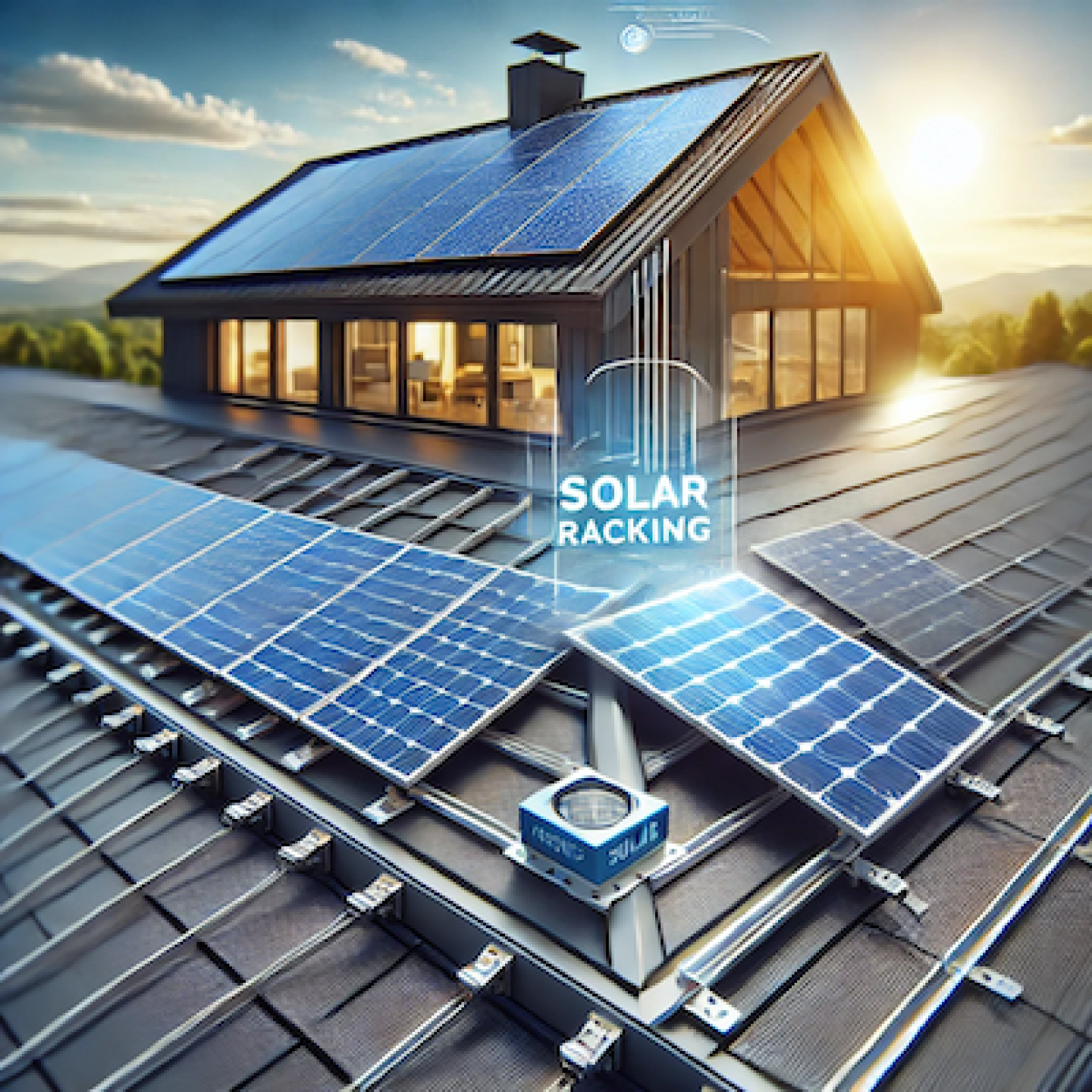
Product Spotlight: Solar Stack Solar Racking System
As the solar industry continues to innovate, solar racking systems have become more advanced, offering efficient, durable, and installation-friendly solutions. One standout system is the Solar Stack racking system, designed to simplify the process of installing solar panels on residential and commercial properties. With its non-penetrating approach and ability to work on various roof types, Solar Stack is gaining popularity among solar energy companies.
This article will explore Solar Stack’s main features, how it works, the key benefits of using it, and some potential concerns to consider for your solar installation company.
Main Features of Solar Stack
- Non-Penetrating System
Solar Stack is a non-penetrating solar racking system, which means it doesn’t require drilling holes into the roof for installation. It uses a high-strength adhesive foam to secure the racking system to the roof, making it a popular choice for solar panel installers looking to avoid roof damage. - Works on Various Roof Types
The Solar Stack system can be used on a variety of roof types, including flat and sloped roofs. It is highly compatible with roofing materials such as TPO, EPDM, concrete, and modified bitumen, making it a versatile option for solar installation companies working on diverse projects. - Wind Load and Durability
Solar Stack is tested and certified to withstand high wind loads, meeting the strict Miami-Dade County NOA (Notice of Acceptance) standards. This makes it a top choice for solar installations in hurricane-prone areas where wind uplift requirements are stringent. - Quick Installation Process
Since Solar Stack requires no mechanical fasteners or roof penetrations, it significantly speeds up the installation process. This can reduce labor time for solar energy companies and allow for faster project completion.
How Solar Stack Works
The Solar Stack racking system uses a foam adhesive that is applied directly to the roof’s surface. The foam creates a strong, permanent bond with the roof, eliminating the need for roof penetrations. Once the adhesive has cured, mounting blocks are installed on top of the foam to securely hold the solar panels in place. The system is designed to provide a stable foundation for solar power systems while maintaining the integrity of the roof structure.
Main Benefits of Solar Stack
- No Roof Penetrations
One of the biggest advantages of the Solar Stack system is that it eliminates the need for roof penetrations. This greatly reduces the risk of roof leaks, water damage, or voiding roof warranties. For property owners who are concerned about maintaining their roof’s longevity, this is a major selling point. - Faster Installation
Solar Stack’s adhesive system allows for much faster installation compared to traditional racking methods. This can reduce the overall project timeline for solar contractors, which in turn leads to cost savings. - Hurricane Resistance
Solar Stack is engineered to withstand high wind speeds, making it an excellent choice for properties located in areas prone to hurricanes or extreme weather. Its wind resistance, combined with the non-penetrating installation method, ensures that the solar panels remain securely attached even under harsh conditions. - Lightweight
The Solar Stack system is lightweight, which reduces the load on the roof. This is beneficial for older buildings or roofs that have lower load-bearing capacity, making it easier for solar energy companies to install without major structural modifications. - Preserves Roof Warranty
Since Solar Stack is a non-penetrating solution, it is less likely to void roof warranties. This is a crucial advantage for homeowners and commercial property owners who want to ensure their roof’s warranty remains intact after a solar power system installation.
Possible Concerns
- Adhesive Reliability Over Time
Although the adhesive used by Solar Stack is rigorously tested, there may be concerns about its long-term durability in certain climates, such as areas with extreme heat or heavy rain. Over time, adhesives can degrade, potentially compromising the system’s security. - Roof Type Limitations
While Solar Stack is compatible with many roof types, it may not be suitable for every roofing material or configuration. For example, roofs with very steep pitches or certain coatings may have bonding issues with the adhesive, requiring further assessment before installation. - Installer Expertise
Since Solar Stack is a relatively new technology, not all solar contractors may be experienced with its installation process. It’s important to work with certified or experienced installers to ensure the adhesive is applied correctly.
Conclusion
The Solar Stack racking system offers a highly efficient, non-invasive solution for mounting solar panels on various roof types. With benefits such as faster installation, no roof penetrations, and resistance to high winds, it is an ideal option for property owners in areas with harsh weather conditions, particularly hurricane-prone regions. However, careful consideration of the roof type and long-term adhesive reliability is essential to ensure a successful installation.
For solar companies, Solar Stack can be a game-changer in terms of installation efficiency and reducing risks associated with traditional racking methods. By consulting experienced installers, you can make the best decision for your solar project and ensure a long-lasting, high-performance solar energy system.
References
- Solar Stack Racking System Overview
- Miami-Dade NOA Certification
- Roofing Materials and Solar Installations
- Wind Load Standards and Solar Panels
- Preserving Roof Warranty with Solar


