Commercial solar Tax Credit 2027

Commercial Solar Tax Credits in 2025–2027: What’s Changed and How to Take Advantage

Commercial Solar Tax Credits in 2025–2027: What’s Changed and How to Take Advantage

Date: August 12, 2025  |  Author: Emerald Sun Energy

Summary: On July 4, 2025, the One Big Beautiful Bill Act (Public Law 119-21) reshaped the path to federal incentives for commercial solar. If you’re planning a commercial solar installation, you now face firm eligibility deadlines—either begin construction by July 4, 2026 or be placed in service by December 31, 2027. Below is a practical guide for commercial solar companies and property owners to maximize benefits while staying compliant.

The Big Picture

On July 4, 2025, the One Big Beautiful Bill Act became law, changing how commercial solar energy projects qualify for federal incentives. The update introduces new timing gates that increase urgency for businesses considering commercial solar power and related commercial solar installation decisions.

Key Commercial Solar Tax Credits

48E Clean Electricity Investment Tax Credit (ITC)

  • Primary federal credit for most commercial solar power systems.
  • Offers up to a 30% base ITC when prevailing wage & apprenticeship rules are met, plus potential bonus adders.

45Y Clean Electricity Production Tax Credit (PTC)

  • Tech-neutral PTC that may benefit certain large, high-capacity-factor projects.
  • For typical C&I rooftops or carports, the 48E ITC usually pencils better than PTC.

What Changed for Commercial Solar

  1. New Eligibility Deadlines: Your project must either be placed in service by December 31, 2027 or begin construction by July 4, 2026 (safe harbor rules apply). Missing both means the project won’t qualify for these credits.
  2. Safe Harbor Rules Under Review: Treasury will update “begin construction” guidance. Until then, document both the 5% cost safe harbor and the physical work safe harbor to be conservative.
  3. Stricter Supply-Chain & Entity Rules: Increased scrutiny to avoid disqualifying foreign entity involvement in ownership, financing, or manufacturing for commercial solar panels and balance-of-system equipment.

What Stayed the Same (Good News)

  • Transferability (Section 6418): You can still sell commercial solar tax credits to unrelated U.S. buyers for cash (transfers to certain foreign entities are prohibited).
  • Direct Pay (Section 6417): Still available for eligible tax-exempt entities installing commercial solar energy systems.
  • Bonus Credits: When the base credit applies, you can boost value via:
    • Prevailing Wage & Apprenticeship (PWA) – required for the full 30% ITC.
    • Domestic Content – potential +10% if qualifying U.S.-made components are used in your commercial solar installation.
    • Energy Communities – potential +10% if sited in eligible areas.

Impact on Commercial Solar ROI

A qualified commercial solar energy project can still access:

  • 30% Base ITC with PWA compliance.
  • 40–50%+ total value when Domestic Content and/or Energy Community adders apply (project-specific).
  • Credit monetization through transferability for many taxable owners.

Bottom line: starting your commercial solar installation within the new window can preserve incentives and strengthen long-term savings.

Action Plan for Commercial Solar Companies & Property Owners

  1. Set Your Timeline: Target start of construction by July 4, 2026 or in-service by Dec 31, 2027.
  2. Choose ITC vs. PTC: For most commercial solar companies, 48E ITC remains the default; explore 45Y PTC only for specific high-CF cases.
  3. Lock PWA Compliance: Bake requirements into contracts and collect certified payrolls to preserve the full 30% ITC.
  4. Pursue Bonus Credits Early: Source U.S.-made components for Domestic Content and screen sites for Energy Community eligibility.
  5. Plan Monetization: Line up credit buyers early to maximize commercial solar financing outcomes and ROI.
  6. Document Safe Harbor: Maintain meticulous records for both 5% cost and physical work safe harbors.

Get a Free Commercial Solar Incentive Review

Our team at Emerald Sun Energy will review your timeline, equipment, and site to help you maximize federal credits and bonus eligibility.

Contact us to schedule a consultation.

Commercial Solar FAQ

Is the 30% commercial solar tax credit still available?

Yes—if your project meets the new timing gates and prevailing wage rules. The 48E ITC remains the primary path for most commercial solar power systems.

Can my business sell the solar tax credit?

Yes. Transferability allows many taxable owners to sell credits to unrelated U.S. buyers. Transfers to certain foreign entities are prohibited.

Do bonus credits still apply?

Yes—Domestic Content and Energy Communities can add meaningful value when eligibility criteria are met and the base credit applies.

References

Disclaimer: This post is for informational purposes only and is not legal or tax advice. Consult your tax advisor to evaluate your specific project.


Birds Solar Panels

Preventing Birds from Nesting Under Solar Panels in Orlando

Birds nesting under solar panels can create significant issues for homeowners in Orlando. From reducing the efficiency of your solar energy system to causing long-term damage, bird activity can be more than just a nuisance. This guide explains how to prevent birds from nesting under your solar panels and what to do if they’ve already made a home there. With the right steps and solutions, you can protect your solar panels in Orlando and maintain their efficiency for years to come.


Why Birds Nest Under Solar Panels

The Orlando climate, with its abundant sunshine and occasional rainy days, makes solar panels an excellent energy solution. However, the shaded and sheltered areas under solar panels also attract birds looking for protection from predators and the elements. This can lead to:

  • Blocked sunlight: Accumulated droppings and nesting materials reduce panel efficiency.
  • Damage: Birds can chew on wiring or damage components.
  • Hygiene issues: Bird droppings can pose health risks and create unpleasant odors.

Preventing Birds from Nesting Under Solar Panels in Orlando

1. Install Bird Mesh

  • Why It Works: Bird mesh acts as a physical barrier around the edges of your solar panels, preventing birds from entering.
  • Local Installation Tips:
    • Use UV-resistant materials to withstand Florida’s sunlight and humidity.
    • Ensure the mesh is tightly secured to prevent gaps that birds can exploit.
    • Hire a local solar contractor in Orlando to install bird mesh professionally.

2. Use Plastic Spikes

  • Why It Works: Plastic spikes discourage birds from perching near your panels, making the area less inviting.
  • Best Practices:
    • Install spikes along roof edges, gutters, and other potential landing spots.
    • Opt for flexible spikes to conform to uneven surfaces around your solar panels in Orlando.

3. Ultrasonic Bird Repellents

  • Why It Works: These devices emit high-frequency sounds that are irritating to birds but undetectable to humans and pets.
  • Tips for Orlando Homes:
    • Choose outdoor-rated ultrasonic devices to handle Florida’s weather.
    • Combine repellents with physical deterrents like bird mesh for maximum effectiveness.

4. Decoy Predators

  • Why It Works: Birds avoid areas where they perceive a threat, such as predators like hawks or snakes.
  • Orlando-Specific Advice:
    • Place decoys near solar installations in Orlando and move them regularly to maintain effectiveness.
    • Opt for decoys with motion features to mimic real predators.

5. Routine Maintenance

  • Why It Works: Regular inspections catch early signs of bird activity before it becomes a bigger problem.
  • Orlando-Specific Recommendations:
    • Inspect your solar panels after Florida’s stormy seasons to check for nesting debris.
    • Use a soft brush or blower to remove dirt and leaves.

Dealing with Birds That Have Already Nested

If birds have already started nesting under your Orlando solar panels, follow these steps:

  1. Check for Protected Species
    • Some birds, like Florida’s scrub-jays, are legally protected. Consult local wildlife agencies before removing nests.
  2. Hire Professionals
    • Contact a local solar contractor in Orlando or pest control expert to safely remove nests and clean the area.
  3. Sanitize the Area
    • Clean and disinfect the space to remove droppings and nesting materials.
  4. Inspect for Damage
    • Check for damaged wiring or panels and make necessary repairs.
  5. Install Preventive Measures
    • After removal, install bird mesh or spikes to prevent re-nesting.

Why Prevention Matters

  • Efficiency: Keep your solar panels in Orlando operating at peak efficiency by reducing debris and shading.
  • Longevity: Prevent damage to wiring and components caused by bird activity.
  • Health and Hygiene: Avoid health risks associated with bird droppings.

References

  1. https://www.energy.gov/eere/solar/bird-deterrent-tips-for-solar-panels - U.S. Department of Energy: Bird Deterrent Tips
  2. https://www.solarpowerworldonline.com - Solar Power World: Maintaining Solar Panel Efficiency
  3. https://www.audubon.org - Audubon Society: Bird Behavior and Habitat Tips
  4. https://www.fsec.ucf.edu/en/ - Florida Solar Energy Center: Solar Panel Maintenance
  5. https://www.dsireusa.org - DSIRE: Florida Solar Incentives
Solar Energy Myths debunked

Top Myths About Solar Energy Debunked

As the popularity of solar energy grows, so do the misconceptions surrounding it. While solar power has proven to be an efficient, cost-effective, and sustainable energy solution, myths and misunderstandings can deter homeowners and businesses from making the switch. This article addresses and debunks the top myths about renewable energy and solar power, providing clarity on what solar energy can truly offer.


Myth 1: Solar Panels Don’t Work on Cloudy or Rainy Days

Reality: Solar panels generate electricity even on cloudy or rainy days. While solar production is highest in direct sunlight, panels still capture and convert diffused light into energy during overcast conditions. Modern solar panels are designed to be highly efficient, ensuring reliable performance even in less-than-perfect weather.


Myth 2: Solar Energy is Too Expensive

Reality: Solar energy is more affordable than ever. Costs for solar panel systems have dropped by over 70% in the last decade. Additionally, incentives like the Federal Investment Tax Credit (ITC), state-level rebates, and net metering programs significantly lower the upfront and ongoing costs of solar installations.

Solar panels also provide long-term savings by reducing utility bills and protecting against rising electricity rates, making solar energy a sound financial investment.


Myth 3: Solar Panels Require Constant Maintenance

Reality: Solar panels are low-maintenance. They are designed to withstand harsh weather conditions, including rain, snow, and wind. Occasional cleaning to remove debris, dirt, or bird droppings is typically sufficient. Most solar systems come with warranties of 25 years or more, providing additional peace of mind.


Myth 4: Solar Panels Will Damage My Roof

Reality: When installed by a professional solar company, solar panels can actually protect your roof by shielding it from UV rays, weather, and wear. Properly installed panels are secure and do not cause damage. In many cases, they extend the lifespan of the roof underneath them.


Myth 5: Solar Energy is Only for the Wealthy

Reality: Solar energy is accessible to a wide range of income levels thanks to financing options like solar loans, leases, and Power Purchase Agreements (PPAs). Many states also offer programs to help low- and moderate-income households access solar energy.


Myth 6: Solar Panels Don’t Work in Cold Climates

Reality: Solar panels are actually more efficient in cooler temperatures. They produce electricity from light, not heat, meaning they perform well in both hot and cold climates. In fact, cold temperatures can improve solar panel efficiency by reducing resistance in the electrical system.


Myth 7: Solar Energy Systems Aren’t Durable

Reality: Modern solar panels are built to last. They are designed to endure extreme weather conditions, including hail, high winds, and heavy snow. High-quality panels are rigorously tested and come with warranties that ensure long-term performance.


Myth 8: Solar Energy Isn’t Worth the Investment

Reality: Solar energy offers immediate and long-term returns on investment. By reducing or eliminating utility bills, homeowners and businesses often recover their initial costs within 5-10 years. With a lifespan of 25+ years, solar panels continue to generate savings for decades.


Myth 9: Solar Panels Are Difficult to Recycle

Reality: The solar industry has made significant strides in recycling technology. Many components of solar panels, including glass, aluminum, and silicon, are recyclable. Programs and facilities dedicated to recycling panels are becoming more widely available as the industry grows.


Myth 10: Solar Energy Won’t Work With My Home or Business

Reality: Solar energy systems can be customized to fit almost any property. From rooftop installations to ground-mounted systems, solar companies can design solutions tailored to individual energy needs and property constraints.


Conclusion

Solar energy is an efficient, affordable, and sustainable power source, but myths and misconceptions can prevent people from taking advantage of its benefits. By understanding the realities of renewable energy, homeowners and businesses can make informed decisions about switching to solar power.

For more information or to explore your options, contact a trusted solar company today.


References

  1. https://www.energy.gov/eere/solar/articles/debunking-myths-about-solar-energy
  2. https://www.seia.org/initiatives/solar-energy-myths-and-facts
  3. https://www.nrel.gov/docs/fy19osti/73822.pdf
Solar Tax Credit ITC

Solar Tax Credit: The Whole Story

Solar Tax Credit: The Whole Story

The federal Solar Investment Tax Credit (ITC) is a powerful incentive for both residential and commercial property owners to invest in solar energy systems. This article will explain the Solar Tax Credit, how to file for it, who qualifies, and who doesn’t qualify, with a focus on optimizing for general solar energy keywords such as Solar Company, Solar Installation Company, and Renewable Energy.


What Is the Solar Tax Credit?

The Solar Investment Tax Credit (ITC) allows solar energy system owners to deduct a percentage of their installation costs from their federal taxes. Established through the Energy Policy Act of 2005, the credit was designed to encourage the adoption of solar energy.

As of 2024, the ITC covers 30% of the total cost of installing a solar power system, making it a highly attractive benefit for anyone looking to lower their energy bills. Whether you are a business owner working with a solar company or a homeowner managing your own installation, the ITC can provide significant savings on the upfront costs of installing a solar power system.

For example, if a business spends $100,000 on a solar energy system, the tax credit allows for a $30,000 reduction in their federal tax liability.


How to File for the Solar Tax Credit

Filing for the Solar ITC is a relatively straightforward process and can be done when filing your federal taxes. Follow these steps:

  1. Complete IRS Form 5695 (for residential systems) or Form 3468 (for commercial solar installations):
    • These forms calculate the amount of credit you are eligible to receive.
  2. Enter the Credit on Your 1040:
    • Once you’ve calculated your credit, you will enter it on your individual or corporate tax return.
  3. Keep Documentation:
    • Although you don’t need to submit invoices with your tax return, it’s essential to keep these records for future reference, especially if you are audited.

For commercial property owners, consulting a tax professional may help ensure all tax credits and deductions are properly applied.


Who Qualifies for the Solar Tax Credit?

Most property owners working with a solar installation company to add solar energy to their homes or businesses will qualify for the credit, provided they meet the following criteria:

  1. System Ownership:
    • The tax credit is available to those who purchase their solar energy systems, either outright or through financing. If a third party owns the system (such as in a solar lease), the leasing company would typically claim the credit.
  2. Federal Tax Liability:
    • The credit is non-refundable, meaning it can reduce your tax liability to zero, but any unused amount can be carried forward to future years.
  3. System Location:
    • The system must be installed on property you own within the United States, whether it’s for your home or business.
  4. Timing:
    • The system must be installed by December 31, 2032, to claim the full 30% credit. After 2032, the credit percentage begins to decrease unless Congress extends the program.

Who Doesn’t Qualify for the Solar Tax Credit?

While the tax credit is available to many, there are some instances where it cannot be claimed:

  1. Leased Systems:
    • If you lease your system from a solar power company, you do not qualify for the tax credit. The leasing company, as the owner of the system, will receive the credit.
  2. Community Solar Subscribers:
    • If you are part of a community solar program where you pay for a share of a large solar project, you likely do not qualify for the tax credit unless you own the part of the system that provides power to your home or business.
  3. Those Without Federal Tax Liability:
    • If you do not owe federal taxes, you will not benefit from the tax credit in the current year. However, the unused portion can be carried forward to offset future tax liabilities.
  4. Non-U.S. Installations:
    • The solar energy system must be installed within the United States to qualify.

Conclusion

The Solar Tax Credit is a significant incentive for homeowners and businesses looking to adopt renewable energy and reduce electricity costs. Whether you are working with a solar installation company for a commercial project or looking to install solar panels on your home, understanding the details of the ITC is crucial. By taking advantage of the 30% tax credit, you can reduce the overall cost of transitioning to solar power and enhance your long-term savings.


References:

  1. IRS Form 5695 - Residential Energy Credits
  2. Energy.gov - Solar Tax Credit
  3. Solar ITC Overview - SEIA
  4. IRS Form 3468 - Investment Tax Credit for Businesses
  5. Energy Sage - Solar ITC Guide
IRA for Commercial Solar Projects

Understanding the Apprenticeship Program in the Domestic Content Bonus from the Inflation Reduction Act for Commercial Solar Projects

Understanding the Apprenticeship Program in the Domestic Content Bonus from the Inflation Reduction Act for Commercial Solar Projects

The Inflation Reduction Act (IRA) introduces numerous incentives aimed at promoting renewable energy, particularly for commercial solar companies and other large-scale energy projects. One of the key provisions of the IRA is the Domestic Content Bonus, which offers additional tax credits for projects that use U.S.-manufactured components. However, the apprenticeship program requirement is another critical aspect tied to these incentives.

In this article, we will explore how the apprenticeship program integrates into the Domestic Content Bonus, explain the key elements of the apprenticeship requirements, and provide an overview of the record-keeping guidelines needed to ensure compliance for commercial solar contractors near me.


The Domestic Content Bonus Overview for Commercial Solar Companies

The IRA provides two major tax incentives for renewable energy projects: the Investment Tax Credit (ITC) and the Production Tax Credit (PTC). The Domestic Content Bonus can add up to an additional 10% to the ITC for qualifying commercial solar installations that meet specific U.S. material sourcing requirements, offering up to 40% in ITC credits for compliant projects.

However, in addition to the use of U.S.-manufactured components, commercial solar contractors must also adhere to labor provisions, including the employment of apprentices, to fully benefit from the IRA’s tax credits. This supports workforce development in the renewable energy sector, creating more opportunities for skilled labor.


Key Elements of the Apprenticeship Program for Commercial Solar Projects

The apprenticeship program is a critical component of the IRA's Domestic Content Bonus. Commercial solar companies must ensure that apprentices are part of their workforce during the construction phase of the project. Here are the key elements:

1. Mandatory Apprentice Participation

To qualify for the Domestic Content Bonus, commercial solar contractors must ensure that apprentices perform a percentage of total labor hours on the project. The required apprentice labor percentage increases over time:

  • 10% of total labor hours for projects beginning construction in 2022 and 2023.
  • 12.5% of total labor hours for projects beginning in 2024.
  • 15% of total labor hours for projects starting in 2025 and beyond.

This requirement applies to labor hours completed by contractors and subcontractors working on the construction, alteration, or repair of the commercial solar project.

2. Use of Qualified Apprentices

Apprentices involved in the project must be enrolled in a registered apprenticeship program that is recognized by the U.S. Department of Labor or state apprenticeship agencies. This ensures that apprentices receive the necessary hands-on training and education to advance their careers in the solar energy industry.

3. Apprentice-to-Journeyworker Ratios

Each contractor and subcontractor on the project must meet the apprentice-to-journeyworker ratio mandated by the registered apprenticeship program. This ratio ensures that apprentices are supervised by experienced journeyworkers, promoting safe, high-quality installations.

For example, an industry-standard ratio might require one apprentice for every three or four journeyworkers on the job site. This ratio must be observed to remain compliant with the IRA’s apprenticeship requirements.

4. Supervision and Training of Apprentices

Apprentices working on commercial solar installations must be supervised by skilled journeyworkers. These experienced professionals are responsible for training apprentices, maintaining safety standards, and ensuring that the work performed by apprentices meets the required quality levels.

5. Waivers for Apprentice Requirements

If a project is unable to meet the apprenticeship requirements due to a lack of available apprentices, commercial solar companies can apply for a good-faith effort waiver. However, the project developer must provide documentation proving their attempts to hire apprentices, including outreach to local apprenticeship programs.


How the Apprenticeship Program Benefits Commercial Solar Companies

The apprenticeship program associated with the Domestic Content Bonus offers several important benefits for commercial solar contractors:

  1. Meeting Skilled Labor Demand: As the commercial solar industry expands, the demand for skilled labor continues to grow. By incorporating apprentices, the program ensures that new workers are trained and ready to meet this demand, helping to mitigate labor shortages.
  2. High-Quality Installations: Apprenticeship programs provide structured training, ensuring that apprentices receive both formal education and hands-on experience. This results in higher-quality solar installations, increasing the reliability and longevity of commercial solar panels.
  3. Increased ROI for Commercial Solar Projects: By complying with the apprenticeship requirements, commercial solar companies can access the full tax credit benefits, enhancing the return on investment for their solar projects. The combination of tax credits and a trained workforce creates a win-win scenario for contractors and investors alike.
  4. Job Creation and Economic Growth: Apprenticeship programs create pathways to employment for new workers, contributing to job creation and economic development in the renewable energy sector. This benefits both the local workforce and the national economy.

Record Keeping and Compliance for Apprenticeship Requirements in Commercial Solar

Maintaining accurate records is essential to ensuring compliance with the IRA’s apprenticeship requirements. For commercial solar contractors, meticulous record keeping is critical to accessing the full tax credits associated with the Domestic Content Bonus. Here are the key guidelines:

1. Tracking Labor Hours

  • Labor Hour Documentation: Commercial solar contractors must track the total labor hours on each project, distinguishing between apprentice and journeyworker hours. These records must include labor performed by contractors and subcontractors.
  • Apprentice Labor Records: Projects must keep separate records for apprentice labor hours to ensure they meet the required percentage (e.g., 10% in 2023, 15% in 2025).

2. Certification of Apprenticeship Program Participation

  • Proof of Apprenticeship: Developers must maintain documentation proving that apprentices are enrolled in registered apprenticeship programs. Certification from the U.S. Department of Labor or state agencies must be readily available for audit purposes.

3. Ratio Compliance Records

  • Apprentice-to-Journeyworker Ratio Compliance: Projects must document that they are meeting the required apprentice-to-journeyworker ratios as stipulated by the registered apprenticeship programs.

4. Waiver Documentation

  • Good-Faith Effort Records: If a waiver is sought due to the unavailability of apprentices, developers must maintain records showing their efforts to hire apprentices. This includes outreach documentation to apprenticeship programs.

5. Reporting Requirements

  • Annual Reports: Commercial solar contractors may need to submit reports to the IRS or the U.S. Department of Labor that detail apprentice participation, total labor hours, and compliance with apprenticeship requirements. Accurate reporting is critical to maintaining eligibility for tax credits.

Conclusion

The apprenticeship program requirement tied to the Domestic Content Bonus within the Inflation Reduction Act offers significant advantages for commercial solar companies. Not only does it help meet the demand for skilled labor, but it also enhances the quality of solar installations and supports long-term economic growth in the renewable energy sector.

By adhering to the apprenticeship requirements and maintaining accurate records, commercial solar contractors can unlock the full benefits of the IRA’s tax credits while contributing to the development of a skilled workforce. This combination of workforce development and financial incentives ensures the future success of the commercial solar industry.


References

  1. U.S. Department of Labor - Registered Apprenticeship Programs
  2. Inflation Reduction Act Overview
  3. Internal Revenue Service - Tax Credit Guidance
  4. SEIA - Solar Energy Industries Association on IRA Provisions
  5. Apprenticeship in the Renewable Energy Sector
Energy Efficiancy Products and solar panels

Energy Efficiency Products That Support Solar Installations

Combining Energy Efficiency Products with Solar in Orlando: Maximize Savings by Reducing Consumption

Investing in solar power is one of the best ways to lower your electricity bills and reduce reliance on traditional power sources, especially here in Orlando and Florida where sunlight is abundant. However, when you combine solar power systems with energy efficiency upgrades, you can amplify your savings by reducing your overall energy consumption and allowing your solar panels to cover the remaining energy needs.

In this article, we’ll explore the top energy efficiency products—such as high-efficiency air conditioning, energy-efficient water heaters, variable-speed pool pumps, and home insulation—that can help you reduce energy consumption. By combining these upgrades with solar, you'll experience significant energy savings and a faster return on your investment.


1. High-Efficiency Air Conditioning (AC) Units in Florida

Air conditioning is one of the largest contributors to electricity usage in Florida, especially during the hot summer months. Upgrading to a high-efficiency AC unit can dramatically lower your cooling energy consumption.

  • How It Works: Modern high-efficiency AC systems use advanced technology such as variable-speed compressors and motors, which optimize cooling output based on the exact needs of your home at any given time. This helps avoid the energy waste common in single-speed systems.
  • Energy Savings Estimate: Replacing an old AC unit with a high-efficiency model can cut your cooling energy consumption by 20-40%, which is significant in Orlando, where air conditioning runs most of the year.
  • Example: If your annual cooling bill is around $1,500, upgrading to a high-efficiency system could save you up to $600 annually.

2. Energy-Efficient Water Heaters for Solar Homes

Water heating is another large energy consumer in Florida homes. By installing an energy-efficient water heater, you can significantly reduce electricity usage for heating water, making it a perfect complement to your solar energy system.

  • How It Works: Tankless water heaters and heat pump water heaters are designed to use much less energy. Tankless water heaters only heat water as needed, and heat pump water heaters transfer heat from the surrounding air to warm the water, using far less electricity than traditional tank models.
  • Energy Savings Estimate: Energy-efficient water heaters can reduce water heating costs by 30-50%, allowing your solar power system in Florida to generate the remaining energy.
  • Example: A household spending $800 annually on water heating could save up to $400 per year by switching to an efficient water heater.

3. Variable-Speed Pool Pumps in Orlando

For homes with pools, the pool pump can consume a surprisingly large amount of energy. Traditional single-speed pool pumps are often energy inefficient and run longer than necessary.

  • How It Works: Variable-speed pool pumps allow you to adjust the pump’s speed based on the specific needs of your pool. This reduces energy consumption by using lower speeds during regular filtration and only higher speeds when necessary, such as during cleaning.
  • Energy Savings Estimate: Upgrading to a variable-speed pool pump can lower pool pump energy consumption by 50-75%, a significant advantage for Florida homes with pools.
  • Example: If you spend $1,000 annually on running your pool pump, upgrading to a variable-speed model could save you up to $750 per year.

4. Insulation and Weatherization in Orlando Homes

Florida’s hot and humid climate makes insulation and proper weatherization crucial for maintaining a comfortable indoor environment. Poor insulation allows air leaks that make your HVAC system work harder, increasing energy consumption.

  • How It Works: Installing high-quality insulation in your attic, walls, and floors helps prevent heat transfer, while weather-stripping windows and doors reduces air leaks. This means your home remains cooler in summer and warmer in winter, reducing the load on your HVAC system.
  • Energy Savings Estimate: Improving insulation and sealing air leaks can reduce heating and cooling energy use by 10-20%, which pairs perfectly with your solar energy system in Orlando.
  • Example: For a home spending $2,000 annually on heating and cooling, proper insulation could save up to $400 each year.

Combining Energy Efficiency and Solar Power in Orlando

When you combine these energy efficiency upgrades with a solar installation in Orlando, you maximize the benefits of both systems. Here’s why:

  • Reduced Energy Consumption: By lowering your electricity needs with energy-efficient products, your solar panels in Florida will only need to generate the remaining energy required, allowing you to use a smaller system or produce excess energy to feed back into the grid.
  • Increased ROI: With lower energy consumption, your solar panels can deliver higher returns on investment, as they will cover a larger portion of your energy needs, leading to faster payback times on your system.
  • Environmental Benefits: Combining energy efficiency and solar not only saves you money but also reduces your carbon footprint. This eco-friendly approach helps Florida homes and businesses lower their reliance on fossil fuels.

Conclusion

Combining energy efficiency upgrades with solar power in Orlando allows you to reduce your energy consumption while producing the remaining electricity you need with solar panels. Upgrading to a high-efficiency AC, energy-efficient water heater, variable-speed pool pump, and enhancing insulation are all effective ways to cut energy usage and save money.

Contact a professional solar energy company in Orlando to learn more about how these energy efficiency upgrades, paired with solar, can benefit your home or business.


References

  1. Energy-Efficient Air Conditioning Systems
  2. Energy-Efficient Water Heating
  3. Benefits of Variable-Speed Pool Pumps
  4. Insulation and Weatherization Tips
  5. Florida Solar Incentives


Solar Racking

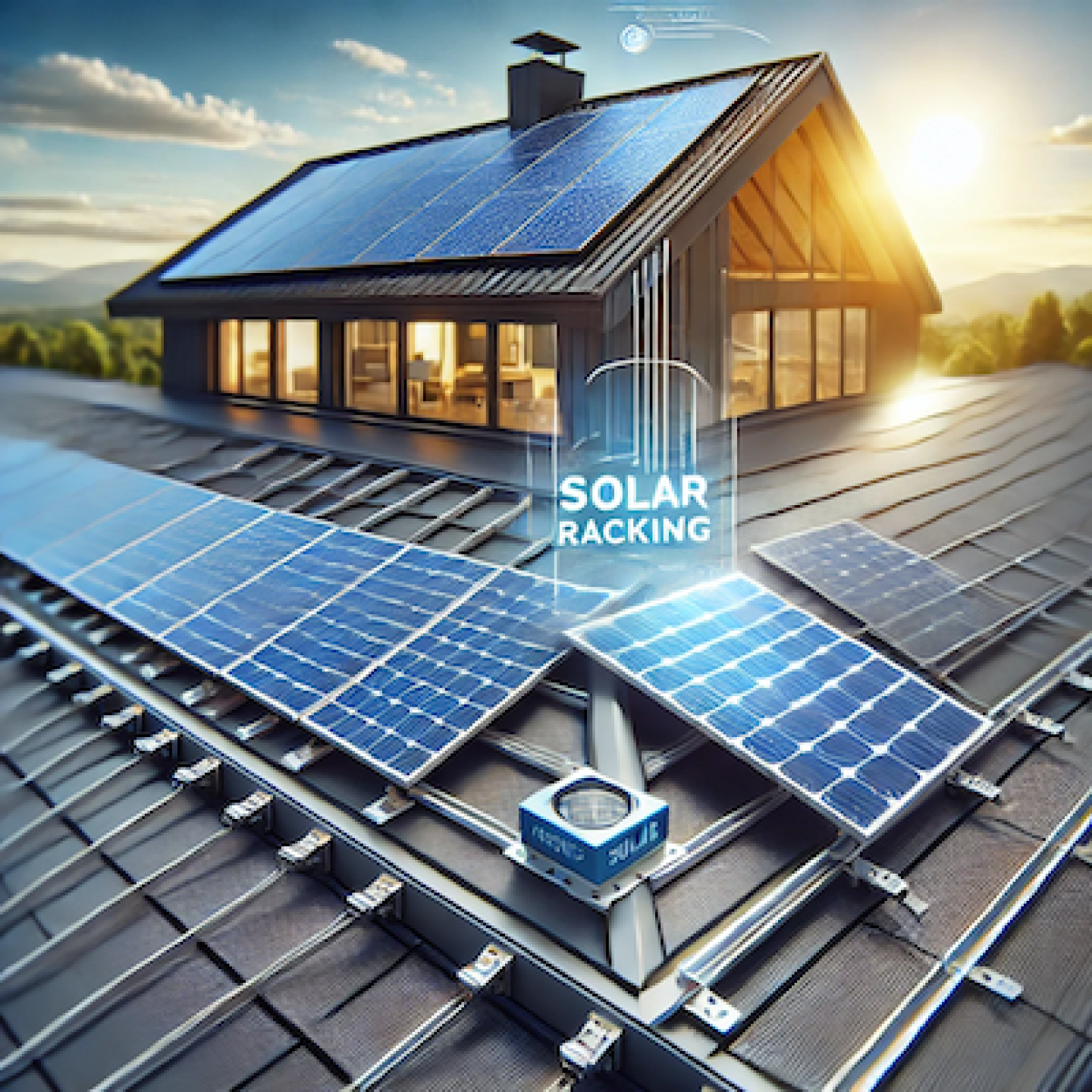
Product Spotlight: Solar Stack Solar Racking System

Product Spotlight: Solar Stack Solar Racking System

As the solar industry continues to innovate, solar racking systems have become more advanced, offering efficient, durable, and installation-friendly solutions. One standout system is the Solar Stack racking system, designed to simplify the process of installing solar panels on residential and commercial properties. With its non-penetrating approach and ability to work on various roof types, Solar Stack is gaining popularity among solar energy companies.

This article will explore Solar Stack’s main features, how it works, the key benefits of using it, and some potential concerns to consider for your solar installation company.


Main Features of Solar Stack

  1. Non-Penetrating System
    Solar Stack is a non-penetrating solar racking system, which means it doesn’t require drilling holes into the roof for installation. It uses a high-strength adhesive foam to secure the racking system to the roof, making it a popular choice for solar panel installers looking to avoid roof damage.
  2. Works on Various Roof Types
    The Solar Stack system can be used on a variety of roof types, including flat and sloped roofs. It is highly compatible with roofing materials such as TPO, EPDM, concrete, and modified bitumen, making it a versatile option for solar installation companies working on diverse projects.
  3. Wind Load and Durability
    Solar Stack is tested and certified to withstand high wind loads, meeting the strict Miami-Dade County NOA (Notice of Acceptance) standards. This makes it a top choice for solar installations in hurricane-prone areas where wind uplift requirements are stringent.
  4. Quick Installation Process
    Since Solar Stack requires no mechanical fasteners or roof penetrations, it significantly speeds up the installation process. This can reduce labor time for solar energy companies and allow for faster project completion.

How Solar Stack Works

The Solar Stack racking system uses a foam adhesive that is applied directly to the roof’s surface. The foam creates a strong, permanent bond with the roof, eliminating the need for roof penetrations. Once the adhesive has cured, mounting blocks are installed on top of the foam to securely hold the solar panels in place. The system is designed to provide a stable foundation for solar power systems while maintaining the integrity of the roof structure.


Main Benefits of Solar Stack

  1. No Roof Penetrations
    One of the biggest advantages of the Solar Stack system is that it eliminates the need for roof penetrations. This greatly reduces the risk of roof leaks, water damage, or voiding roof warranties. For property owners who are concerned about maintaining their roof’s longevity, this is a major selling point.
  2. Faster Installation
    Solar Stack’s adhesive system allows for much faster installation compared to traditional racking methods. This can reduce the overall project timeline for solar contractors, which in turn leads to cost savings.
  3. Hurricane Resistance
    Solar Stack is engineered to withstand high wind speeds, making it an excellent choice for properties located in areas prone to hurricanes or extreme weather. Its wind resistance, combined with the non-penetrating installation method, ensures that the solar panels remain securely attached even under harsh conditions.
  4. Lightweight
    The Solar Stack system is lightweight, which reduces the load on the roof. This is beneficial for older buildings or roofs that have lower load-bearing capacity, making it easier for solar energy companies to install without major structural modifications.
  5. Preserves Roof Warranty
    Since Solar Stack is a non-penetrating solution, it is less likely to void roof warranties. This is a crucial advantage for homeowners and commercial property owners who want to ensure their roof’s warranty remains intact after a solar power system installation.

Possible Concerns

  1. Adhesive Reliability Over Time
    Although the adhesive used by Solar Stack is rigorously tested, there may be concerns about its long-term durability in certain climates, such as areas with extreme heat or heavy rain. Over time, adhesives can degrade, potentially compromising the system’s security.
  2. Roof Type Limitations
    While Solar Stack is compatible with many roof types, it may not be suitable for every roofing material or configuration. For example, roofs with very steep pitches or certain coatings may have bonding issues with the adhesive, requiring further assessment before installation.
  3. Installer Expertise
    Since Solar Stack is a relatively new technology, not all solar contractors may be experienced with its installation process. It’s important to work with certified or experienced installers to ensure the adhesive is applied correctly.

Conclusion

The Solar Stack racking system offers a highly efficient, non-invasive solution for mounting solar panels on various roof types. With benefits such as faster installation, no roof penetrations, and resistance to high winds, it is an ideal option for property owners in areas with harsh weather conditions, particularly hurricane-prone regions. However, careful consideration of the roof type and long-term adhesive reliability is essential to ensure a successful installation.

For solar companies, Solar Stack can be a game-changer in terms of installation efficiency and reducing risks associated with traditional racking methods. By consulting experienced installers, you can make the best decision for your solar project and ensure a long-lasting, high-performance solar energy system.


References

  1. Solar Stack Racking System Overview
  2. Miami-Dade NOA Certification
  3. Roofing Materials and Solar Installations
  4. Wind Load Standards and Solar Panels
  5. Preserving Roof Warranty with Solar


Tesla Powerwall vs Enphase Encharge

Choosing Between Tesla Powerwall and Enphase Encharge: A Comprehensive Comparison


Choosing Between Tesla Powerwall and Enphase Encharge: A Comprehensive Comparison

When considering solar energy storage solutions for your home, it’s essential to understand your specific needs and desired results. Both Tesla Powerwall and Enphase Encharge offer unique benefits tailored to different priorities, such as maximizing Solar Energy Battery Backup, integrating seamlessly with existing solar systems, or achieving optimal energy control. These options can be an excellent fit for many homeowners, but finding the right solution depends on your solar energy goals, budget, and the specifics of your setup in Orlando and throughout Florida.

Tesla Powerwall

Pros

  1. High Capacity & Integrated System
    The Tesla Powerwall is a comprehensive solution with a single unit capacity of 13.5 kWh, which is ideal for most homeowners seeking substantial storage. This all-in-one system integrates the battery, inverter, and monitoring tools, simplifying installation and making it compatible with both new and existing solar power systems in Orlando. With the ability to stack up to 10 Powerwalls, you can tailor your storage capacity based on your current and future energy needs.
  2. Cost-Effective Storage
    Known for its price-performance ratio, the Powerwall offers a competitive cost per kWh, making it a preferred choice for those looking to optimize their return on investment from day one. This advantage is significant for homeowners in Florida, where solar power systems continue to grow in popularity.
  3. Smart Backup Capabilities & Tesla Ecosystem
    The Powerwall provides backup power during outages with an automatic switchover to keep your essential devices running. Additionally, the system integrates seamlessly with Tesla’s wider product range (e.g., Tesla vehicles and solar products), offering a unified experience and monitoring via the Tesla app.

Cons

  1. Limited Inverter Options & Availability
    The Powerwall uses a DC-coupled inverter, which might not be compatible with all existing solar setups, potentially requiring additional equipment. Additionally, the demand for Powerwall can lead to extended delivery and installation times.
  2. Limited Installer Network
    Tesla’s approved installer network may limit availability in certain areas of Florida, requiring you to plan accordingly for installation.

Enphase Encharge

Pros

  1. Modular & Expandable Design
    Enphase Encharge provides a flexible, modular system, with each unit offering 3.5 kWh of storage. This flexibility makes it easy for Florida homeowners to expand their energy storage as needed, without over-committing to a larger battery upfront.
  2. AC-Coupled for Easy Integration
    Unlike the Powerwall, Encharge is AC-coupled, allowing it to integrate with almost any existing solar inverter brand. This compatibility makes it a versatile option for homeowners looking to retrofit or expand their solar energy systems in Orlando.
  3. Enhanced Reliability & Safety
    Enphase's microinverter technology allows each battery unit to operate independently, reducing the risk of complete system failure. This reliable operation ensures continuous performance and optimized energy use throughout your home.
  4. Advanced Monitoring & Smart Load Control
    The Enphase Enlighten app provides a detailed view of your system, allowing you to prioritize critical loads and monitor energy usage effectively. This feature is particularly beneficial in regions like Florida, where power demands can vary significantly.

Cons

  1. Lower Single Unit Capacity & Higher Cost per kWh
    With a capacity of 3.5 kWh per unit, multiple Encharge batteries are required to match the capacity of a single Tesla Powerwall. This can make the Encharge system more expensive per kWh if you need substantial storage.
  2. Complex Backup Configuration
    Managing multiple microinverters and battery units can add complexity when configuring backup power, particularly for critical loads.

Which Solution Is Right for You?

If you are looking for a high-capacity solution with cost-effective pricing and seamless backup capabilities, the Tesla Powerwall might be the best choice for your solar power system in Florida. On the other hand, if flexibility, easy integration with a variety of solar setups, and detailed energy control are your priorities, the Enphase Encharge stands out as a top contender. Ultimately, both solutions are high-quality options with different strengths tailored to your unique energy needs.

Emerald Sun Energy Is a Licensed Solar Contractor who offers both Tesla Powerwall and Enphase Encharge battery solutions. Scheduling a free consultation allows us to assess your energy needs and recommend the most suitable solution for your home. Let us help you make the most of your solar energy system and ensure your storage solution matches your lifestyle and preferences.


References

  1. Tesla Powerwall Overview
  2. Enphase Home Battery Storage
  3. Solar Energy Storage and Backup Power Solutions
  4. Orlando Solar Incentives and Storage Options
  5. Comparing Solar Battery Backup Systems
NABCEP Certification

NABCEP - Make Sure Your Solar Contractor Has This Certification

The Importance of NABCEP Certification for Solar Installers: What You Need to Know

Introduction

When searching for a reputable solar company or solar contractor to handle your solar energy installation, it's crucial to choose one that is reliable, professional, and well-qualified. One of the best indicators of a trustworthy solar panel installer is the NABCEP Certification. Often regarded as the "gold standard" in the solar energy industry, this certification signifies a company's commitment to high-quality service, best practices, and safety. Choosing a solar installation company with NABCEP-certified professionals can make a significant difference in the performance and longevity of your solar power system.

In this article, we’ll explore what NABCEP certification is, why it is essential for selecting a solar energy company, and how it benefits both consumers and solar professionals.

What is NABCEP Certification?

The North American Board of Certified Energy Practitioners (NABCEP) is the most recognized certifying organization for solar power and renewable energy professionals. Established in 2002, NABCEP aims to set a high standard for the solar installation company practices, ensuring that certified professionals possess the necessary skills, safety knowledge, and best practices to safely and efficiently install solar systems.

Among its many certifications, the most recognized is the NABCEP PV Installation Professional (PVIP) Certification. This certification demonstrates that an installer has undergone extensive training, accumulated work experience in solar energy systems, and passed a comprehensive exam covering system design, installation techniques, and safety protocols.

Why Choosing a NABCEP-Certified Solar Installer Matters

1. High Standards of Quality & Safety

NABCEP certification guarantees that a solar panel installer has met rigorous standards in quality and safety. The certification process involves extensive training and passing a challenging exam, confirming that an installer is well-versed in PV system design, solar power system best practices, and safety protocols. This ensures that your solar energy system will be installed effectively, safely, and according to industry standards, reducing the risk of operational issues and ensuring optimal performance.

2. Experienced & Knowledgeable Professionals

To qualify for NABCEP certification, candidates must meet strict educational and work experience requirements. This often includes:

  • Hands-on training and education in solar panels and photovoltaic technology.
  • Verifiable work experience in the design, installation, and maintenance of PV systems.
  • Completion of an approved solar power course or apprenticeship program.

These stringent requirements ensure that NABCEP-certified installers are not only knowledgeable but also experienced in handling every aspect of solar energy projects, making them the best choice for your solar power system needs.

3. Adherence to Industry Best Practices

NABCEP-certified installers are committed to adhering to industry best practices, current technology standards, and the latest safety regulations. With NABCEP’s requirement for ongoing education to maintain certification, solar energy company professionals are kept up to date with advancements in technology, codes, and regulations. This commitment to best practices reduces the potential for safety hazards, code violations, and system malfunctions.

4. Higher Level of Professionalism & Ethics

NABCEP-certified solar contractors are bound by a strict Code of Ethics and Standards of Conduct, which covers honesty, transparency, and integrity in their work. This code mandates accurate communication with customers, fair project documentation, and ethical business practices. Working with a certified professional assures you that your project is handled professionally and ethically, giving you the peace of mind you need when investing in a solar energy system.

5. Quality Assurance & Performance Guarantee

Installing a solar power system is a significant investment, and NABCEP-certified installers are trained to provide high-quality design, installation, and inspection of your system. This quality assurance ensures that your solar installation will perform efficiently, saving you on energy costs, minimizing downtime, and maximizing the return on your investment.

6. Enhanced Customer Confidence

For consumers, the NABCEP certification is a clear sign of quality and reliability when choosing a solar company. Knowing that the solar panel installer has been vetted by a reputable, third-party organization builds confidence that the project will be handled by a professional who adheres to the industry's highest standards. This trust is crucial when investing in a long-term solar energy system.

7. Improved Project Efficiency & Savings

NABCEP-certified solar contractors are knowledgeable and skilled, leading to more efficient project completion. Properly designed and installed solar power systems are more efficient, qualify for warranties and incentives, and are less likely to face issues over their lifetimes. This efficiency leads to time and cost savings for the consumer, ensuring that the solar energy project offers the highest return on investment.

Benefits of NABCEP Certification for Solar Installers

1. Market Credibility & Competitive Advantage

For solar installation companies, holding a NABCEP certification enhances credibility and helps them stand out in the market. It acts as a mark of distinction, offering a competitive advantage in an industry where informed consumers seek high-quality service and reliable professionals.

2. Access to Professional Development & Resources

NABCEP offers ongoing education, access to industry resources, and a network of certified professionals. This support helps solar panel installers stay up-to-date with evolving technologies, regulations, and best practices in solar power systems. Staying informed on these developments is invaluable for success and growth in the solar industry.

3. Potential for Better Insurance Rates

With NABCEP certification indicating adherence to safety standards and best practices, some insurance providers may offer favorable rates to certified installers. The reduced risk of accidents and system malfunctions benefits both the installer and the consumer, leading to smoother project execution.

How to Find a NABCEP-Certified Solar Installer

Finding a NABCEP-certified solar contractor is simple. The NABCEP website maintains a searchable database of certified professionals that can be filtered by location, certification type, and name. Many reputable solar energy companies will prominently display their NABCEP certification on their website or in their proposals, helping you quickly identify trustworthy professionals.

Conclusion

Choosing a solar energy company or solar panel installer with NABCEP certification is one of the best decisions you can make when starting a solar project. It ensures that you work with experienced, knowledgeable professionals who adhere to industry best practices, safety standards, and ethical guidelines. This not only leads to better system performance but also maximizes your financial savings and peace of mind over the long term.

For solar contractors, obtaining NABCEP certification offers benefits such as enhanced credibility, professional development opportunities, and potential cost savings on insurance. Whether you are a consumer looking for reliable solar services or a solar professional aiming to advance your career, NABCEP certification stands as a mark of excellence in the solar energy industry.

By choosing a NABCEP-certified solar contractor, you are making a smart investment in your solar energy future.


References:

  1. NABCEP Certification: What It Means & Why It Matters
  2. SEIA: Why NABCEP Certification is Important for Solar Installers
  3. EnergySage: Benefits of Hiring a NABCEP-Certified Solar Installer
  4. Solar Reviews: Understanding the NABCEP Certification
  5. DSIRE: Solar Incentives and NABCEP
Installing Solar Panels

Solar Tax Incentives 2022: Latest Updates

A major incentive for homes interested in switching to solar energy is the federal solar tax credit, sometimes known as the solar investment tax credit (ITC). This credit allows you to deduct 30% of the total cost of your solar installation from your federal taxes, which can significantly reduce the outlay required to have a solar energy system up and running.

We conducted research and analysis to determine which solar power company in Orlando is the best at installing solar panels. This involved looking into solar incentives like subsidies, tax breaks, and net metering. Thanks to the federal solar tax credit, you can save money on your solar installation, and this guide will help you figure out the federal tax credit.

Exactly Why Should You Make the Change to Solar Power?

Electricity from the electrical grid has increased 4.3% in price over the past year, following the general trend of rising prices. Solar electricity, however, is becoming more affordable all the time. In contrast to the national average of 10.6 cents per kWh for grid power, residential solar expenses are now under 8 cents per kWh. The cost of grid electricity is significantly higher in different states. In addition to financial advantages, solar energy also has environmental benefits. Sometimes, the ethical choice is also the most cost-effective choice for consumers.

After calculating how much you save and potentially earn annually, you can divide that figure by the system's total cost to get an idea of how long it will take to pay for itself. How much energy you wish to generate is the primary factor in determining how much your system will cost.

However, you won't have to pay for the whole thing. Through the Federal Solar Tax Credit, the United States government now reimburses 30% of the cost. Although, you should move quickly. Rates will decrease to a final level of 22 percent in 2023, with the program's end coming the following year, in 2024. President Biden's Build Back Better budget proposal includes a proposal to extend the credit, but it has been stuck in the Senate for a long time and is now unlikely to pass. It's also possible to receive sizable rebates or tax credits from the government of a state.

There can be a seven-year payback period in states with high energy expenditures, such as California. It's closer to 10 years in states where electricity is less expensive. We don't see how it could make any kind of sense if you're beyond 10 to 12 years. You're getting free power for the remaining half of the system's warranted lifetime. However, this will result in a slight reduction in your overall power. Solar panels lose between 0.005 and 1% of their output annually due to degradation. That means you can be down to 90% after ten years.

You may always finance or lease if you can't afford to pay for a system outright. As of right now, leases and loans account for 80% of the sale price of rooftop solar systems in the United States.

You should be okay if your loan or lease payment is less than your typical monthly utility cost. If you can afford a system outright, you will save more money in the long term. You have to pay interest on a loan and won't qualify for federal (and possibly state) aid if you opt to lease instead of buy. But even if you don't have that much money, You can still invest in a [solar] system that will start saving you money right now.

The majority of the United States is in a solar energy sweet spot. Almost a hundred million houses might benefit from installing solar panels, and most of them eventually will. While there are many variables to think about, there is a simple process that can help you decide whether or not to switch to solar power. Find out how much money you are currently spending on electricity and how much it will cost to counterbalance that. Then there are the psychological advantages resulting from doing your part to make the world greener.

Top 10 US States That Offer Maximum Solar Tax Credits 

The installation of solar panel systems by solar power company Orlando is rewarded with additional tax incentives in several states. An EcoWatch report, for instance, listed the top ten states for solar subsidies; among these were New York, New Mexico, Connecticut, Massachusetts, Colorado, Rhode Island, Iowa, Maryland, New Hampshire, and New Jersey.

About The Federal Solar Tax Credit

Depending on how much of the total cost was covered by solar panels, homeowners may be eligible for a federal tax credit. The Federal Solar Tax Credit (also known as the Investment Tax Credit or ITC) was initially implemented in 2005 and has since been increased numerous times.

Before 2020, any system installed qualified for a 30% tax credit; in December 2020, Congress extended the ITC to provide a 26% tax credit for equipment installed in 2020-2022. In 2023, the tax credit will be reduced to 22%, and it might expire in 2024 if Congress doesn't act to renew it.

These are some of the incentives provided by the state:

Sales tax exemption:

To the tune of 2.9% to 9.5%, many states tack on sales taxes to what consumers pay. Nonetheless, as of 2017, 25 states, including Arizona, Massachusetts, Maryland, Iowa, Florida, New Mexico, and New York, exclude solar energy installations from sales tax. Solar panels, inverters, battery banks, and labor are all exempt from sales tax under this provision.

Property tax exemption:

Research shows that properties equipped with solar panels from solar company Orlando fetch a higher price. Lower utility costs associated with solar-powered homes contribute to a rise in home value. However, solar residences in a number of states are immune from additional property tax assessments thanks to the state's solar property tax exemptions. In other words, in some places, including Arizona, Connecticut, Florida, Texas, Colorado, and Wisconsin, adding solar panels will not increase your property taxes.

TRECs, or transition renewable energy certificates:

These certificates can then be sold back to utility companies by homeowners who have installed residential solar systems.

How Do Solar Consultants Help You Get Solar Tax Incentives?

Do not confuse a tax credit with a cash refund. The difference between a credit and a rebate is that the latter reduces the amount of tax that must be paid. You may not be able to fully benefit from the credit if your federal tax liability is low or nonexistent.

However, if your tax liability is at least equal to your tax credit, you can use the credit to pay down your tax debt and get any remaining funds after withholding. To top it all off, you can carry over any unused portion of your tax credit to use against future tax liabilities if you don't end up owing the whole amount in the first year (for as long as the ITC is in effect). Have you made up your mind about whether or not to have solar panels this year? You can get expert advice from solar installation company Orlando. You can get a free estimate by filling out the form below.

Conclusion

Now is the time to do it if you've been thinking about going solar and figuring out how to claim your solar tax credit. In order to maximize your return on investment, you should install a solar energy system as soon as possible while the solar tax credit is still in effect.

The federal government's incentives for renewable energy in the United States have been significantly shaped over the years via solar tax credits. By investing in solar, you will be helping to generate employment, build the economy, and save money, all while contributing to the long-term security of the solar tax credit and allowing businesses to keep driving down prices and investing in their own growth.

If you're interested in learning more about how the federal tax credit for solar energy can assist lower your out-of-pocket costs, get in touch with Emerald Sun Energy now for a free design and savings estimate. Installing solar panels is a fantastic way to lessen your home's negative impact on the environment, save money, and put you in charge of your family's energy future. Taking advantage of the Solar tax credit and installing a solar energy system has never been more financially feasible than it is right now.

emerald-sun-energy-logo-600

Contact us

2151 Consulate Dr

Orlando, FL 32837

info@emeraldsunenergy.com

Office: (407) 504-0922

Florida Lic #CVC57145

Lic #EC13010058