Solar Orlando Tax Credit

The 5 Most Important Variables When Shopping for Solar for Your Home in Florida

When shopping for Solar Orlando energy systems in Florida, it’s essential to consider several key factors that will impact your long-term savings and the performance of your system. This guide covers the five most important variables homeowners should focus on when selecting a solar energy solution, optimized for the Florida market.


1. System Size and Energy Needs

  • Why It’s Important: The size of the solar system should be based on your home’s specific energy requirements. In Florida, where sunshine is abundant, optimizing your system size can lead to maximum savings.
  • How to Evaluate: Review your past energy bills to calculate your average monthly electricity usage. This will help determine the kilowatt capacity your system should have. You may also want to account for future energy needs if you plan to add new appliances or an electric vehicle.
  • Tip for Florida: Florida’s high energy consumption due to air conditioning makes it even more important to choose a system that offsets a large portion of your electricity use.

2. Solar Panel Efficiency

  • Why It’s Important: Higher efficiency panels produce more electricity from the same amount of sunlight, which is especially beneficial for homes with limited roof space.
  • How to Evaluate: Look for panels with efficiency ratings above 19%. High-efficiency panels, like those from SunPower and Panasonic, are ideal for Florida homes with high electricity consumption and space constraints.
  • Tip for Florida: Consider panels that perform well in hot climates, as Florida’s heat can reduce the efficiency of some solar panels.

3. Roof Condition and Orientation

  • Why It’s Important: Your roof’s condition and its exposure to sunlight are critical factors in the effectiveness of your solar installation. Florida homes typically have more roof space and favorable sun exposure, making them prime candidates for solar.
  • How to Evaluate: Ideally, your roof should face south to capture the most sunlight, but east or west-facing roofs can also work with some efficiency loss. In Florida, roofs should be able to withstand the high winds of hurricane season, so make sure they’re in good condition.
  • Tip for Florida: Make sure your solar installer evaluates your roof’s ability to handle both the solar system’s weight and the potential impact of hurricane-force winds.

4. Financial Incentives and Solar Financing

  • Why It’s Important: Florida offers various solar incentives, and choosing the right financing option can maximize your return on investment.
  • How to Evaluate: Take advantage of the federal Investment Tax Credit (ITC), which allows you to deduct 30% of the system cost from your federal taxes. Additionally, Florida has property tax exemptions and net metering policies that can further reduce your long-term costs.
  • Tip for Florida: Net metering policies in Florida allow you to sell excess electricity back to the grid, providing an additional financial benefit. Be sure to explore solar financing options such as solar loans, which can spread out the costs over time.
  • References:
    1. Florida Solar Incentives - Energy.gov
    2. Solar Investment Tax Credit - SEIA
    3. Net Metering in Florida - Solar United Neighbors

5. Warranties and Company Reputation

  • Why It’s Important: Solar is a long-term investment, so working with a reputable solar company in Florida and ensuring your panels come with solid warranties is crucial for protecting your investment.
  • How to Evaluate: Look for panels with at least a 25-year warranty. Additionally, ensure that your installer offers a workmanship warranty to cover any issues that may arise during installation.
  • Tip for Florida: Florida’s climate can be tough on solar systems, so choose companies that have extensive experience installing solar panels in the state’s unique weather conditions.

Conclusion

When shopping for Solar Orlando or in Florida, carefully considering your energy needs, solar panel efficiency, roof condition, financial incentives, and warranties will help you make the best investment. Florida’s abundant sunshine, combined with strong incentives, makes it an ideal state for going solar. By optimizing your decision around these key factors, you can maximize your savings and ensure your solar system performs effectively for decades to come.


References:

  1. https://www.energy.gov/eere/solar/articles/solar-power-florida
  2. https://www.seia.org/initiatives/solar-investment-tax-credit-itc
  3. https://www.solarunitedneighbors.org/florida/go-solar-in-florida/net-metering-florida/
  4. https://www.floridasolarenergy.org
  5. https://www.dsireusa.org

Solar Tax Credit ITC

Solar Tax Credit: The Whole Story

Solar Tax Credit: The Whole Story

The federal Solar Investment Tax Credit (ITC) is a powerful incentive for both residential and commercial property owners to invest in solar energy systems. This article will explain the Solar Tax Credit, how to file for it, who qualifies, and who doesn’t qualify, with a focus on optimizing for general solar energy keywords such as Solar Company, Solar Installation Company, and Renewable Energy.


What Is the Solar Tax Credit?

The Solar Investment Tax Credit (ITC) allows solar energy system owners to deduct a percentage of their installation costs from their federal taxes. Established through the Energy Policy Act of 2005, the credit was designed to encourage the adoption of solar energy.

As of 2024, the ITC covers 30% of the total cost of installing a solar power system, making it a highly attractive benefit for anyone looking to lower their energy bills. Whether you are a business owner working with a solar company or a homeowner managing your own installation, the ITC can provide significant savings on the upfront costs of installing a solar power system.

For example, if a business spends $100,000 on a solar energy system, the tax credit allows for a $30,000 reduction in their federal tax liability.


How to File for the Solar Tax Credit

Filing for the Solar ITC is a relatively straightforward process and can be done when filing your federal taxes. Follow these steps:

  1. Complete IRS Form 5695 (for residential systems) or Form 3468 (for commercial solar installations):
    • These forms calculate the amount of credit you are eligible to receive.
  2. Enter the Credit on Your 1040:
    • Once you’ve calculated your credit, you will enter it on your individual or corporate tax return.
  3. Keep Documentation:
    • Although you don’t need to submit invoices with your tax return, it’s essential to keep these records for future reference, especially if you are audited.

For commercial property owners, consulting a tax professional may help ensure all tax credits and deductions are properly applied.


Who Qualifies for the Solar Tax Credit?

Most property owners working with a solar installation company to add solar energy to their homes or businesses will qualify for the credit, provided they meet the following criteria:

  1. System Ownership:
    • The tax credit is available to those who purchase their solar energy systems, either outright or through financing. If a third party owns the system (such as in a solar lease), the leasing company would typically claim the credit.
  2. Federal Tax Liability:
    • The credit is non-refundable, meaning it can reduce your tax liability to zero, but any unused amount can be carried forward to future years.
  3. System Location:
    • The system must be installed on property you own within the United States, whether it’s for your home or business.
  4. Timing:
    • The system must be installed by December 31, 2032, to claim the full 30% credit. After 2032, the credit percentage begins to decrease unless Congress extends the program.

Who Doesn’t Qualify for the Solar Tax Credit?

While the tax credit is available to many, there are some instances where it cannot be claimed:

  1. Leased Systems:
    • If you lease your system from a solar power company, you do not qualify for the tax credit. The leasing company, as the owner of the system, will receive the credit.
  2. Community Solar Subscribers:
    • If you are part of a community solar program where you pay for a share of a large solar project, you likely do not qualify for the tax credit unless you own the part of the system that provides power to your home or business.
  3. Those Without Federal Tax Liability:
    • If you do not owe federal taxes, you will not benefit from the tax credit in the current year. However, the unused portion can be carried forward to offset future tax liabilities.
  4. Non-U.S. Installations:
    • The solar energy system must be installed within the United States to qualify.

Conclusion

The Solar Tax Credit is a significant incentive for homeowners and businesses looking to adopt renewable energy and reduce electricity costs. Whether you are working with a solar installation company for a commercial project or looking to install solar panels on your home, understanding the details of the ITC is crucial. By taking advantage of the 30% tax credit, you can reduce the overall cost of transitioning to solar power and enhance your long-term savings.


References:

  1. IRS Form 5695 - Residential Energy Credits
  2. Energy.gov - Solar Tax Credit
  3. Solar ITC Overview - SEIA
  4. IRS Form 3468 - Investment Tax Credit for Businesses
  5. Energy Sage - Solar ITC Guide
Commercial Solar Insurance

Comprehensive Guide to Insuring Commercial Solar Panels in Florida

Commercial solar systems are a significant investment for businesses, requiring proper insurance to protect against potential risks. In this guide, we’ll discuss the essential types of insurance for commercial solar installations and list the insurance providers in Florida that offer solar-friendly policies for businesses.


Section 1: Types of Insurance for Commercial Solar Panels

Commercial solar systems need specific types of insurance coverage to protect the investment and ensure business continuity. Here are the key policies every business should consider:

1. Property Insurance

  • Purpose: Covers physical damage to solar panels from events like fire, theft, vandalism, storms, and more.
  • Commercial Application: Solar energy systems are a critical business asset. This coverage protects the system against physical damages that can interrupt energy production, ensuring financial protection for repairs or replacements.

2. Business Interruption Insurance

  • Purpose: Compensates for lost income if the solar system becomes inoperative due to damage.
  • Commercial Application: Businesses that rely on solar energy for operations or revenue generation (via incentives like net metering) should consider this insurance to mitigate the risk of lost revenue.

3. Equipment Breakdown Insurance

  • Purpose: Covers mechanical or electrical failures in critical solar system components like inverters and energy storage systems.
  • Commercial Application: Since solar systems are complex and rely on multiple components to operate efficiently, this coverage ensures swift repairs or replacements, minimizing downtime.

4. General Liability Insurance

  • Purpose: Protects the business from liability if the solar installation causes injury or property damage to third parties.
  • Commercial Application: This is crucial for commercial solar installations, particularly for systems installed in high-traffic areas or on large properties, where accidents may occur.

5. Inland Marine Insurance

  • Purpose: Covers solar panels during transportation or installation, particularly important for ground-mounted systems or remote projects.
  • Commercial Application: Commercial projects often involve moving large solar systems to various locations. Inland marine insurance covers losses or damages during transit​

    ​

    .


Section 2: Insurance Providers for Commercial Solar Panels in Florida

Several insurance providers in Florida offer specialized coverage to protect commercial solar energy systems. Here are some leading companies:

1. Travelers Insurance

  • Offerings: Travelers offers a wide range of commercial solar insurance solutions, including property coverage, general liability, and equipment breakdown insurance. These are designed to protect solar assets from installation through to full operation, making them ideal for businesses and utility-scale installations​

    .

2. State Farm

  • Offerings: State Farm includes solar panel coverage in its standard commercial property insurance policies, ensuring protection against damage from events like hurricanes and hailstorms. This is critical for businesses operating in Florida’s high-risk weather environment​

    .

3. Universal Property & Casualty Insurance

  • Offerings: Universal provides coverage specifically for solar systems, with limits up to $15,000 and a $500 deductible, which can be increased for larger commercial installations. This coverage is tailored to businesses and offers financial protection against a wide range of risks​

    ​

    .

4. American Integrity Insurance

  • Offerings: Known for its comprehensive commercial solar coverage, American Integrity specializes in policies that include hurricane damage protection after meeting the deductible. This insurer is recognized by FlaSEIA (Florida Solar Energy Industries Association) for its solar-friendly policies​

    ​

    .

5. Citizens Property Insurance Corporation

  • Offerings: As Florida’s state-run insurer, Citizens Property offers solar panel coverage for commercial properties, including protection against hurricane-related risks. This is particularly important for businesses in Florida, where extreme weather events are frequent​

    .


Conclusion

For commercial solar installations, it’s essential to have a comprehensive insurance strategy that covers physical damage, business interruptions, equipment breakdowns, and liability risks. Businesses should evaluate their specific needs and partner with providers like Travelers, State Farm, or American Integrity to ensure full protection. These insurers offer robust coverage tailored to the unique risks associated with commercial solar energy projects, making them ideal partners for safeguarding your renewable energy investment.


References:

  1. Travelers Insurance - Commercial Solar Insurance
  2. Universal Property & Casualty Insurance - Solar Panel Coverage
  3. American Integrity Insurance - Florida Solar Insurance
  4. Citizens Property Insurance Corporation - Solar Panel Coverage
  5. State Farm - Solar Insurance Coverage
IRA for Commercial Solar Projects

Understanding the Apprenticeship Program in the Domestic Content Bonus from the Inflation Reduction Act for Commercial Solar Projects

Understanding the Apprenticeship Program in the Domestic Content Bonus from the Inflation Reduction Act for Commercial Solar Projects

The Inflation Reduction Act (IRA) introduces numerous incentives aimed at promoting renewable energy, particularly for commercial solar companies and other large-scale energy projects. One of the key provisions of the IRA is the Domestic Content Bonus, which offers additional tax credits for projects that use U.S.-manufactured components. However, the apprenticeship program requirement is another critical aspect tied to these incentives.

In this article, we will explore how the apprenticeship program integrates into the Domestic Content Bonus, explain the key elements of the apprenticeship requirements, and provide an overview of the record-keeping guidelines needed to ensure compliance for commercial solar contractors near me.


The Domestic Content Bonus Overview for Commercial Solar Companies

The IRA provides two major tax incentives for renewable energy projects: the Investment Tax Credit (ITC) and the Production Tax Credit (PTC). The Domestic Content Bonus can add up to an additional 10% to the ITC for qualifying commercial solar installations that meet specific U.S. material sourcing requirements, offering up to 40% in ITC credits for compliant projects.

However, in addition to the use of U.S.-manufactured components, commercial solar contractors must also adhere to labor provisions, including the employment of apprentices, to fully benefit from the IRA’s tax credits. This supports workforce development in the renewable energy sector, creating more opportunities for skilled labor.


Key Elements of the Apprenticeship Program for Commercial Solar Projects

The apprenticeship program is a critical component of the IRA's Domestic Content Bonus. Commercial solar companies must ensure that apprentices are part of their workforce during the construction phase of the project. Here are the key elements:

1. Mandatory Apprentice Participation

To qualify for the Domestic Content Bonus, commercial solar contractors must ensure that apprentices perform a percentage of total labor hours on the project. The required apprentice labor percentage increases over time:

  • 10% of total labor hours for projects beginning construction in 2022 and 2023.
  • 12.5% of total labor hours for projects beginning in 2024.
  • 15% of total labor hours for projects starting in 2025 and beyond.

This requirement applies to labor hours completed by contractors and subcontractors working on the construction, alteration, or repair of the commercial solar project.

2. Use of Qualified Apprentices

Apprentices involved in the project must be enrolled in a registered apprenticeship program that is recognized by the U.S. Department of Labor or state apprenticeship agencies. This ensures that apprentices receive the necessary hands-on training and education to advance their careers in the solar energy industry.

3. Apprentice-to-Journeyworker Ratios

Each contractor and subcontractor on the project must meet the apprentice-to-journeyworker ratio mandated by the registered apprenticeship program. This ratio ensures that apprentices are supervised by experienced journeyworkers, promoting safe, high-quality installations.

For example, an industry-standard ratio might require one apprentice for every three or four journeyworkers on the job site. This ratio must be observed to remain compliant with the IRA’s apprenticeship requirements.

4. Supervision and Training of Apprentices

Apprentices working on commercial solar installations must be supervised by skilled journeyworkers. These experienced professionals are responsible for training apprentices, maintaining safety standards, and ensuring that the work performed by apprentices meets the required quality levels.

5. Waivers for Apprentice Requirements

If a project is unable to meet the apprenticeship requirements due to a lack of available apprentices, commercial solar companies can apply for a good-faith effort waiver. However, the project developer must provide documentation proving their attempts to hire apprentices, including outreach to local apprenticeship programs.


How the Apprenticeship Program Benefits Commercial Solar Companies

The apprenticeship program associated with the Domestic Content Bonus offers several important benefits for commercial solar contractors:

  1. Meeting Skilled Labor Demand: As the commercial solar industry expands, the demand for skilled labor continues to grow. By incorporating apprentices, the program ensures that new workers are trained and ready to meet this demand, helping to mitigate labor shortages.
  2. High-Quality Installations: Apprenticeship programs provide structured training, ensuring that apprentices receive both formal education and hands-on experience. This results in higher-quality solar installations, increasing the reliability and longevity of commercial solar panels.
  3. Increased ROI for Commercial Solar Projects: By complying with the apprenticeship requirements, commercial solar companies can access the full tax credit benefits, enhancing the return on investment for their solar projects. The combination of tax credits and a trained workforce creates a win-win scenario for contractors and investors alike.
  4. Job Creation and Economic Growth: Apprenticeship programs create pathways to employment for new workers, contributing to job creation and economic development in the renewable energy sector. This benefits both the local workforce and the national economy.

Record Keeping and Compliance for Apprenticeship Requirements in Commercial Solar

Maintaining accurate records is essential to ensuring compliance with the IRA’s apprenticeship requirements. For commercial solar contractors, meticulous record keeping is critical to accessing the full tax credits associated with the Domestic Content Bonus. Here are the key guidelines:

1. Tracking Labor Hours

  • Labor Hour Documentation: Commercial solar contractors must track the total labor hours on each project, distinguishing between apprentice and journeyworker hours. These records must include labor performed by contractors and subcontractors.
  • Apprentice Labor Records: Projects must keep separate records for apprentice labor hours to ensure they meet the required percentage (e.g., 10% in 2023, 15% in 2025).

2. Certification of Apprenticeship Program Participation

  • Proof of Apprenticeship: Developers must maintain documentation proving that apprentices are enrolled in registered apprenticeship programs. Certification from the U.S. Department of Labor or state agencies must be readily available for audit purposes.

3. Ratio Compliance Records

  • Apprentice-to-Journeyworker Ratio Compliance: Projects must document that they are meeting the required apprentice-to-journeyworker ratios as stipulated by the registered apprenticeship programs.

4. Waiver Documentation

  • Good-Faith Effort Records: If a waiver is sought due to the unavailability of apprentices, developers must maintain records showing their efforts to hire apprentices. This includes outreach documentation to apprenticeship programs.

5. Reporting Requirements

  • Annual Reports: Commercial solar contractors may need to submit reports to the IRS or the U.S. Department of Labor that detail apprentice participation, total labor hours, and compliance with apprenticeship requirements. Accurate reporting is critical to maintaining eligibility for tax credits.

Conclusion

The apprenticeship program requirement tied to the Domestic Content Bonus within the Inflation Reduction Act offers significant advantages for commercial solar companies. Not only does it help meet the demand for skilled labor, but it also enhances the quality of solar installations and supports long-term economic growth in the renewable energy sector.

By adhering to the apprenticeship requirements and maintaining accurate records, commercial solar contractors can unlock the full benefits of the IRA’s tax credits while contributing to the development of a skilled workforce. This combination of workforce development and financial incentives ensures the future success of the commercial solar industry.


References

  1. U.S. Department of Labor - Registered Apprenticeship Programs
  2. Inflation Reduction Act Overview
  3. Internal Revenue Service - Tax Credit Guidance
  4. SEIA - Solar Energy Industries Association on IRA Provisions
  5. Apprenticeship in the Renewable Energy Sector
Commercial Solar Comapny

New Safe Harbor Rules Clarifies Domestic Content Bonus Available In The Inflation Reduction Act

Understanding the Safe Harbor Update for Commercial Solar Projects: The Impact of the Domestic Content Bonus from the Inflation Reduction Act

The Safe Harbor provisions for commercial solar energy have been impacted by updates from the Inflation Reduction Act (IRA), particularly with the introduction of the Domestic Content Bonus. This update provides additional incentives for commercial solar installations to use U.S.-manufactured components, enhancing the overall benefits of commercial solar power systems while promoting domestic manufacturing.

Safe Harbor and the Domestic Content Bonus for Commercial Solar

Safe Harbor rules allow commercial solar developers to secure current tax benefits by demonstrating a significant investment in their solar projects by a specific date, allowing them to lock in favorable terms. With the IRA, these provisions now include the Domestic Content Bonus, an added incentive for developers to use U.S.-sourced materials in their commercial solar installation.

  • Enhanced Investment Tax Credit (ITC): The IRA increases the base Investment Tax Credit (ITC) rate to 30% for eligible commercial solar projects. By meeting the domestic content requirements, projects can qualify for an additional 10% bonus, potentially bringing the total ITC to 40% for commercial solar companies.
  • Domestic Content Requirements: To qualify for this bonus, a commercial solar project must adhere to certain U.S.-sourcing standards:
    • Steel and Iron Requirements: All steel and iron used in the project (e.g., racking, frames, and mounting systems) must be produced in the United States.
    • Manufactured Product Requirement: A percentage of the total cost of all manufactured components in the commercial solar system must be attributable to materials mined, produced, or manufactured in the U.S. This requirement gradually increases over the next few years according to a sliding scale.

The Sliding Scale for U.S.-Made Materials in Commercial Solar Projects

The IRA outlines a step-by-step increase in the required percentage of U.S.-made materials over several years, making it easier for commercial solar contractors to adjust to the new standards and support domestic supply chains.

Percentage Requirements Timeline

  1. For Commercial Solar Projects Beginning Construction Before 2025:
    • 40% Requirement: At least 40% of the cost of manufactured products in the commercial solar project must be U.S.-made.
  2. For Projects Beginning Construction in 2025:
    • 45% Requirement: The requirement increases to 45% U.S.-sourced materials.
  3. For Projects Beginning Construction in 2026:
    • 50% Requirement: At least 50% of the manufactured components must be domestically sourced.
  4. For Projects Beginning Construction in 2027 and Beyond:
    • 55% Requirement: The requirement reaches its maximum threshold of 55% for commercial solar energy projects.

Steel and Iron Components Consistency

The steel and iron used in all commercial solar projects must be 100% U.S.-produced throughout the implementation period, covering elements such as racking systems, mounting hardware, and structural components.

Safe Harbor Compliance and the Domestic Content Bonus

To meet the Safe Harbor and Domestic Content Bonus standards, commercial solar companies must carefully manage project timelines, supply chains, and sourcing:

  1. Five Percent Safe Harbor Rule: To qualify for Safe Harbor, developers must spend at least 5% of the total project cost before a specified date, locking in the applicable tax credit rate.
  2. Continuity Safe Harbor: After meeting the Safe Harbor conditions, continuous progress toward project completion is required to maintain eligibility for the bonus credits.

Projects that do not meet the domestic content requirements will still be eligible for the standard ITC but will not receive the additional 10% bonus. Therefore, it is essential for commercial solar installers to plan for sourcing materials that meet the domestic content criteria.

Benefits and Challenges for Commercial Solar Contractors

  • Boost to U.S. Manufacturing: The Domestic Content Bonus aims to increase the use of American-made components, supporting domestic manufacturing and supply chains for commercial solar power systems.
  • Balancing Cost and Sourcing: While aiming for the bonus can enhance tax credits, the cost of sourcing U.S.-made materials could be higher. Developers will need to balance these costs against the increased financial benefits from the ITC.
  • Gradual Implementation Timeline: The sliding scale requirements allow commercial solar companies time to adjust their procurement processes and ensure compliance with growing domestic content standards.

The IRA’s Domestic Content Bonus under Safe Harbor rules presents a significant opportunity for commercial solar contractors to maximize the financial benefits of their solar projects. By meeting domestic content requirements, these projects can achieve a substantial boost to their ITC, enhancing long-term returns on investment and supporting the U.S. solar manufacturing industry.


References

  1. U.S. Department of Energy - Investment Tax Credit Details
  2. U.S. Treasury Guidance on Domestic Content Requirements
  3. SEIA - Solar Energy Industries Association on the IRA
  4. Internal Revenue Service - Safe Harbor Guidelines
  5. Inflation Reduction Act and Renewable Energy
Domestic Content Bonus For Commercial Solar Projects

Domestic Content Bonus Makes Commercial Solar Even More Affordable

The Domestic Content Bonus in the Inflation Reduction Act: A Boost for Commercial Solar Projects

Introduction

The Inflation Reduction Act (IRA), passed in 2022, has had significant ramifications for the renewable energy industry, particularly commercial solar projects. One of the key components of the IRA that directly impacts the commercial solar sector is the Domestic Content Bonus—an additional financial incentive for commercial solar installations that utilize domestically manufactured components. This provision aims to bolster U.S. manufacturing, create jobs, and promote the use of American-made products in renewable energy projects. For businesses and commercial solar companies, this bonus provides an opportunity to maximize returns on solar investments while supporting the growth of the domestic supply chain.

In this article, we explore the details of the Domestic Content Bonus outlined in the IRA, its eligibility requirements, and how it impacts commercial solar energy projects.

The Basics of the Domestic Content Bonus for Commercial Solar

Under the IRA, the federal Investment Tax Credit (ITC) and Production Tax Credit (PTC) are major financial incentives available to renewable energy projects, including commercial solar installations. The Domestic Content Bonus provides an additional percentage point boost to these credits if the project meets specific requirements for using U.S.-produced materials.

Breakdown of the Tax Credits

The ITC is a federal tax credit available for the installation of solar energy systems, allowing taxpayers to deduct a percentage of the total system cost from their federal taxes. For commercial solar projects, the base ITC is 30%, which can be increased with specific add-ons such as the Domestic Content Bonus. For systems placed in service after 2022, the bonus provisions are as follows:

  • Domestic Content Bonus: An additional 10% credit for projects that meet domestic content requirements, bringing the total ITC up to 40% if all criteria are met.

For projects that opt for the PTC instead of the ITC (generally for large-scale commercial solar installations), the Domestic Content Bonus increases the PTC rate by 10%.

Understanding the Domestic Content Requirements

The Domestic Content Bonus incentivizes the use of U.S.-made materials and components in the construction of commercial solar power projects. To qualify for the 10% bonus on top of the ITC, a commercial solar project must meet the following criteria:

1. Steel and Iron Products

  • 100% Requirement: All steel and iron used in the solar installation must be produced in the United States. This includes products like racking systems, support structures, and frames that make up the primary structural elements of the commercial solar energy system.
  • Exclusions: Fasteners and other small components that are not part of the main structural steel and iron do not have to meet this requirement.

2. Manufactured Products

  • 40% Requirement for Commercial Solar Projects: At least 40% of the total cost of manufactured components used in the solar project must come from products that are produced in the United States. This percentage requirement applies to commercial solar installations until 2024.
  • Increasing Requirements Over Time: After 2024, the domestic content requirement for commercial solar energy projects will increase to 45%. It will then incrementally rise to 55% by 2026.
  • Eligible Components: Examples of manufactured components include solar modules (panels), inverters, trackers, and other equipment that contribute to the commercial solar power system.

To verify that the commercial solar project meets these requirements, developers must provide documentation showing the origin and cost of all components, ensuring compliance with the "Made in the USA" guidelines set forth by the IRA.

What Qualifies as 'Domestic' Under the IRA?

The "domestic content" requirements have specific definitions to ensure clarity on what qualifies as U.S.-produced:

  • Steel and Iron: The requirement for steel and iron is straightforward; they must be entirely produced in the U.S., from the initial melting stage to the final product.
  • Manufactured Products: For manufactured components to qualify, at least 40% of the total cost must be attributable to U.S. production. This includes manufacturing activities like assembling, processing, and finishing. The cost calculation considers direct labor, materials, and overhead involved in producing the final product within the United States.

How the Domestic Content Bonus Impacts Commercial Solar Projects

For commercial solar companies and business owners, the Domestic Content Bonus can significantly improve the financial viability of a commercial solar project. Here’s how:

1. Increased Tax Credit & Reduced Payback Period

By meeting the domestic content requirements, commercial solar power projects can receive up to a 40% tax credit through the ITC, a substantial increase over the base 30%. This boost reduces the payback period, increases return on investment (ROI), and helps business owners see more immediate financial benefits from their commercial solar energy system.

2. Alignment with Corporate ESG Goals

Many corporations are setting environmental, social, and governance (ESG) goals, and opting for U.S.-made components for commercial solar installations aligns with these objectives. Supporting domestic manufacturing, reducing carbon footprints, and stimulating the local economy can be valuable for corporate branding and sustainability reporting.

3. Potential for Job Growth & Local Economic Development

The push for more domestic content encourages growth in U.S. manufacturing jobs, supply chain development, and investment in American-based commercial solar energy companies. This economic impact can be significant for local communities and can make a compelling case for commercial solar adoption.

Challenges & Considerations for Compliance

While the Domestic Content Bonus offers financial benefits, meeting the requirements can present certain challenges for commercial solar contractors:

1. Supply Chain Limitations

Sourcing U.S.-made components can be challenging due to current supply chain constraints. Not all components may be readily available in the U.S., and those that are may come at a higher cost compared to imported alternatives. Commercial solar developers will need to carefully plan procurement to ensure compliance with the domestic content requirements.

2. Cost vs. Benefit Analysis

In some cases, the cost of using U.S.-made components might outweigh the financial benefits of the additional 10% tax credit. It’s essential to conduct a detailed cost-benefit analysis to determine if aiming for the Domestic Content Bonus is financially advantageous for the commercial solar installation.

3. Documentation & Compliance

Maintaining detailed documentation and cost breakdowns is crucial for proving compliance with the domestic content requirements. This adds an administrative burden to project development and may require additional expertise in tax law and regulatory compliance.

Case Study Example: A Commercial Solar Project

Let’s consider an example of how the Domestic Content Bonus might impact a commercial solar project:

  • A business installs a commercial solar energy system with a total cost of $500,000.
  • The standard 30% ITC provides a tax credit of $150,000.
  • If the project meets the domestic content requirements, an additional 10% bonus is applied, providing an extra tax credit of $50,000, bringing the total ITC to $200,000.
  • This increase in tax credit reduces the net cost of the project and shortens the payback period, improving the overall financial return of the investment.

By leveraging the Domestic Content Bonus, the business not only maximizes its federal incentives but also supports the growth of the U.S. commercial solar manufacturing sector.

Conclusion

The Domestic Content Bonus in the Inflation Reduction Act represents a significant opportunity for commercial solar contractors, developers, and businesses to enhance the financial returns of their solar projects. By encouraging the use of U.S.-made materials, the IRA supports domestic manufacturing, job growth, and local economies while promoting the transition to renewable energy.

For commercial solar installations, understanding and leveraging the Domestic Content Bonus can lead to greater financial savings, alignment with corporate sustainability goals, and contributions to the U.S. manufacturing sector. However, it is essential to carefully evaluate the feasibility of meeting domestic content requirements, considering supply chain availability, cost implications, and compliance needs.

As the domestic content percentage requirements increase over the coming years, businesses and commercial solar companies will need to stay informed and adapt their procurement strategies to take full advantage of these enhanced incentives.


References:

  1. U.S. Department of Energy: Inflation Reduction Act Overview
  2. SEIA: Inflation Reduction Act Provisions for Solar
  3. National Renewable Energy Laboratory (NREL): Impact of Domestic Content Requirement
  4. Internal Revenue Service: Guidance on the Domestic Content Bonus Credit
  5. Database of State Incentives for Renewables & Efficiency (DSIRE): Texas Solar Incentives
Commercial Solar Battery Sizing

Sizing Commercial Solar Batteries - How To & Common Mistakes To Avoid

Commercial Solar Battery Sizing

There is a notable difference when sizing batteries for larger commercial solar systems compared to residential systems. Commercial solar battery sizing generally follows the same principles as residential battery sizing but involves larger capacities, more detailed analysis, and considerations specific to the commercial environment. Here are some key factors that make a difference:


Key Factors in Commercial Solar Battery Sizing

  1. Higher Energy Demands
    Commercial buildings typically consume significantly more energy than residential homes, meaning the battery size will need to be scaled accordingly. The load profile is more complex, often including equipment like HVAC systems, industrial machinery, elevators, and lighting systems, all of which require higher energy capacity and longer backup duration.
  2. Demand Charges and Peak Load Management
    Many commercial facilities face demand charges, which are fees based on the highest rate of electricity consumption during peak periods. Sizing a battery system for a commercial setting often involves managing these demand charges. Batteries can help reduce these charges by supplying power during peak demand times.For Commercial Solar Companies, sizing is not just about storing energy for backup; it's also about optimizing the battery to discharge during peak usage periods to avoid demand charges.
  3. Longer Duration Requirements
    Commercial buildings may require longer backup periods compared to residential homes. Essential systems (e.g., servers, security systems, and operational machinery) need to be powered for extended periods, which calls for larger batteries with higher energy storage.
  4. Scalability and Modular Systems
    Commercial batteries are often modular and scalable, meaning businesses can install multiple battery units to meet their energy needs. This allows the system to be expanded over time as the energy consumption of the building increases.

Sizing Equations for Commercial Solar Batteries

1. Determine Energy Needs (kWh)

The first step is to calculate the total energy consumption of the commercial facility. This involves identifying all critical systems and their daily energy usage.

java
Total Energy Consumption (Wh) = Power Rating (W) × Hours of Operation (h)

For example, if a commercial facility uses 100 kW of power for 10 hours a day:

100,000 W × 10 hours = 1,000,000 Wh or 1,000 kWh

2. Demand Load and Peak Management

Commercial solar batteries are often used for peak shaving to reduce demand charges. The battery needs to be sized not only to meet the total daily consumption but also to handle spikes in energy usage during peak demand times.

java
Peak Energy Consumption (kWh) = Peak Load (kW) × Duration of Peak Period (h)

For example, if the peak load is 150 kW during a 3-hour period:

150 kW × 3 hours = 450 kWh

3. Depth of Discharge (DoD)

Commercial batteries, like residential ones, have a Depth of Discharge (DoD), which affects how much of the battery’s capacity can be used. Commercial systems often use high DoD batteries, typically around 80-90%.

java
Required Battery Capacity = Energy Consumption / Depth of Discharge

If a commercial facility needs 1,000 kWh and the battery has a DoD of 90%:

1,000 kWh / 0.90 = 1,111 kWh battery capacity

4. Consider Efficiency and Inverter Capacity

Commercial solar inverters and battery systems have efficiency losses during energy conversion. If the battery system has an 85% efficiency, the battery capacity should be adjusted:

java
Adjusted Battery Capacity = Required Battery Capacity / System Efficiency

For example, with a system efficiency of 85%:

1,111 kWh / 0.85 = 1,307 kWh battery capacity

5. Future Energy Needs and Scalability

Commercial systems must account for future growth. Commercial batteries can be modular, so the system should be sized to allow for scalability based on projected energy demand increases.

6. Surge and Backup Duration

Many commercial systems have larger surge loads, such as elevators or industrial equipment. Batteries need to be sized to handle these loads, especially if backup duration is required for extended hours or even days.


Benefits of Commercial Solar Battery Systems

  1. Cost Savings and Demand Management
    One of the biggest advantages of commercial solar batteries is the ability to lower electricity costs by reducing demand charges. These systems can store energy generated during off-peak times and discharge it during peak usage, leading to substantial savings.
  2. Energy Resilience
    In regions where grid outages are common, a commercial solar battery system ensures continuous power for critical operations like HVAC systems, refrigeration, and security systems. This resilience can be crucial for businesses that can't afford downtime.
  3. Environmental Impact
    Commercial solar batteries help businesses reduce their reliance on fossil fuels by storing clean, renewable energy. This leads to lower greenhouse gas emissions and a more sustainable operation.
  4. Improved Energy Independence
    With commercial solar energy systems and battery storage, businesses become less dependent on the grid. This not only provides financial benefits but also positions companies as leaders in sustainability.

Common Mistakes When Sizing Commercial Solar Batteries

Before diving into the concerns, it’s important to note some of the most common mistakes businesses make when sizing and implementing commercial solar battery systems. Avoiding these pitfalls can ensure a more efficient and cost-effective energy storage solution.

1. Underestimating Energy Needs

A common mistake is underestimating the actual energy requirements of a commercial facility. This can lead to a battery system that’s too small, which won’t provide sufficient power during peak times or outages. It’s essential to carefully assess the facility’s energy usage and peak loads when sizing the battery to avoid this issue.

2. Ignoring Peak Load Management

Businesses often fail to account for demand charges and peak load management, which are critical for commercial operations. Simply installing a battery system without considering peak usage periods can result in suboptimal savings. Properly sizing a commercial solar battery to handle peak load and discharge during these times is key to maximizing savings.

3. Improper Depth of Discharge (DoD) Calculations

Misunderstanding or ignoring the Depth of Discharge (DoD) can lead to a battery being overused or underused, which impacts its lifespan and efficiency. Commercial solar batteries should be sized with an appropriate DoD to ensure they are used optimally without over-discharging.

4. Overlooking Future Expansion

As a business grows, energy needs will likely increase. Failing to account for future growth can result in a battery system that quickly becomes inadequate. Choosing modular systems and allowing for scalability can help future-proof the battery installation.

5. Inadequate Inverter Sizing

The inverter is responsible for converting the DC electricity generated by solar panels and stored in the battery into usable AC power. Choosing an inverter that is too small to handle the system’s load can lead to inefficiencies and a lack of backup power during critical times. It’s essential to size the inverter properly for both peak and continuous loads.

Possible Concerns with Commercial Solar Battery Systems

  1. High Initial Costs
    The upfront cost of installing a commercial solar battery system can be high, especially for larger businesses with significant energy needs. Although the long-term savings often outweigh these costs, the initial investment can be a barrier for some companies.
  2. Space Requirements
    Commercial battery systems often require significant space, especially if they are modular and designed to scale. Businesses must ensure they have adequate room for the installation, which may be challenging in urban areas.
  3. Battery Lifespan
    Like all batteries, commercial solar batteries have a limited lifespan, typically around 10-15 years. Over time, battery performance can degrade, and replacement costs should be factored into long-term planning.
  4. Maintenance Needs
    While solar panels themselves require little maintenance, commercial battery systems may need regular inspections and servicing to ensure they operate efficiently.

Conclusion

For commercial solar batteries, the sizing principles are similar to residential systems, but with added complexity due to higher energy demands, demand charge management, scalability, and longer backup requirements. Commercial batteries are typically larger and modular, and the system design is tailored to optimize both energy savings and peak demand reduction.

If you’re considering a commercial solar battery system, it’s essential to work with a commercial solar contractor to properly assess energy needs and design a system that meets your business's specific requirements.


References:

  1. https://www.energy.gov/eere/solar/commercial-solar-batteries
  2. https://www.forbes.com/home-improvement/solar/commercial-solar-storage-systems/
  3. https://www.cleanenergyauthority.com/solar-energy-news/commercial-solar-benefits
  4. https://www.solarpowerworldonline.com/2023/02/how-to-size-commercial-solar-battery-storage/
  5. https://www.nrel.gov/docs/fy19osti/74109.pdf
Commercial Solar Carport

Commercial Solar Carports - The Definitive Guide

Key Considerations for Building and Engineering Commercial Solar Carports

Commercial solar carports are an innovative solution for combining renewable energy generation with functional parking infrastructure. Businesses can reduce energy costs, promote sustainability, and enhance the utility of parking areas. Below is a detailed guide on the key considerations for building a commercial solar carport, including structural design, trenching for wiring, electrical design, mounting systems, and foundation options.


Structural Design for Commercial Solar Carports

The structural design of a commercial solar carport is critical for ensuring long-term stability and efficiency. These carports must support the weight of the commercial solar panels, withstand environmental factors, and provide a robust foundation.

Mounting Systems for Commercial Solar Panels

  • Single-Post Carports: These offer a streamlined design with a single column per row, reducing the amount of structural steel required. This setup is ideal for optimizing space in business solar solutions where fewer obstructions are needed.
  • Double-Post Carports: With columns on both sides of parking bays, this system provides greater stability, particularly in larger commercial solar installations. It is well-suited for parking lots or spaces with a higher capacity.
  • Cantilever Carports: Cantilever designs feature an overhanging roof supported by columns on just one side, offering more maneuverability for vehicles and a cleaner look for commercial solar energy systems.

Trenching Wires and Electrical Integration

Trenching for electrical wiring is a critical component of installing commercial solar panels in a carport system. Properly routing the electricity generated by commercial solar energy to the building’s electrical infrastructure requires detailed planning and execution.

Trenching Requirements

  • Depth and Protection: Trenches are typically dug 18 to 36 inches deep to protect the wiring from environmental factors such as water damage or freezing conditions. Licensed commercial contractors will ensure the trenching meets local code requirements.
  • Conduit and Safety: Electrical wiring for systems is enclosed in protective conduits, usually made from PVC or steel, ensuring long-term durability and safety.
  • Trenchless Solutions: In some cases, directional boring is used as a trenchless option to install conduits without extensive digging, preserving existing infrastructure in commercial solar installations.

Electrical Design for Commercial Solar Carports

Electrical design plays a vital role in the functionality and efficiency of a energy system. Proper inverter placement, grid integration, and load management ensure that the solar energy generated is distributed effectively.

Inverter Placement and Options

  • Central Inverters: Central inverters are commonly used for larger commercial solar power companies. These inverters efficiently convert the direct current (DC) generated by the solar panels into alternating current (AC) that can be used by the building or exported to the grid.
  • String Inverters: For more flexibility in, string inverters can be used, allowing each string of solar panels to be connected individually to an inverter. This balances efficiency with flexibility.
  • Microinverters: Microinverters are attached to each solar panel, converting DC to AC at the panel level. This maximizes energy output, particularly in locations where shading could affect panel performance.

Grid Integration and Energy Distribution

  • On-Grid Systems: In on-grid commercial solar energy systems, the solar power generated is fed directly into the local electrical grid. Businesses can offset their electricity consumption and even sell excess power back to the grid.
  • Off-Grid Systems: Off-grid systems require battery storage to ensure energy independence. These systems store excess energy generated by the commercial solar power system for use during peak demand times or when the grid is down.

Below-Ground Foundation Options: Spread Footing and Alternatives

A stable foundation is essential for supporting the weight of the Carport and the overall structure. The type of foundation depends on soil conditions, load requirements, and project size.

Spread Footing

Spread footing involves pouring large, flat concrete pads at the base of each support column, distributing the load evenly across a larger surface area.

  • Advantages: Spread footings are cost-effective and require less excavation, making them suitable for most commercial solar contractors. They provide stability for small to medium-sized carports.
  • Challenges: In areas with poor soil conditions, larger footings may be required, increasing construction time and costs.

Caisson Foundations

Caisson foundations are drilled piers filled with concrete, offering a more robust solution for larger commercial solar installations or areas with unstable soil.

  • Advantages: These foundations can handle heavy loads and are highly durable, ensuring stability in challenging terrain.
  • Challenges: More costly and complex, caisson foundations require specialized drilling equipment and a longer installation timeline.

Helical Piles

Helical piles are screw-like steel shafts driven into the ground to provide a secure foundation with minimal environmental disruption.

  • Advantages: Quick installation and reduced excavation make helical piles ideal for locations where minimal disruption is desired. They are also removable, making them suitable for modular installations.
  • Challenges: In softer soils or high seismic areas, helical piles may not provide the same level of stability as concrete foundations.

Wind and Seismic Considerations

In regions prone to high winds or seismic activity, additional reinforcements are necessary for commercial solar power systems.

  • Wind Loads: Commercial solar carports must be designed to withstand high wind speeds. Extra bracing and heavier materials may be required, especially in hurricane-prone areas like Florida.
  • Seismic Loads: In earthquake-prone regions, deeper foundations and cross-bracing are required to protect the structure from ground movement.

Environmental Impact and Sustainability

The environmental benefits of commercial solar energy are significant. Solar power generates clean, renewable energy, reducing reliance on fossil fuels and lowering carbon emissions.

  • Emission Reductions: Commercial solar power companies can significantly reduce greenhouse gas emissions and contribute to global sustainability efforts.
  • Sustainable Materials: Many commercial solar contractors use environmentally friendly materials and modular designs to further reduce the project's overall environmental impact.

Additional Considerations for Commercial Solar Carports

Battery Storage

Battery storage systems can enhance the effectiveness of commercial solar power by storing excess energy for later use.

  • Advantages: Batteries provide backup power and reduce energy costs by supplying power during peak times. This is particularly useful for commercial solar energy systems with high energy demands.

EV Charging Integration

EV charging stations can be added to commercial solar carports, making them an attractive option for businesses and consumers alike.

  • Advantages: Combining commercial solar panels with EV charging stations supports the transition to clean transportation and can attract eco-conscious customers.

Conclusion

Building a commercial solar carport involves careful consideration of structural design, electrical integration, foundation stability, and environmental impact. By optimizing the mounting systems, electrical design, and foundation type, commercial solar contractors can ensure the carport’s long-term functionality and energy efficiency. These structures not only provide clean energy but also enhance the value and utility of commercial spaces.


References:

  1. https://www.energy.gov/eere/solar/commercial-solar-photovoltaics
  2. https://www.forbes.com/home-improvement/solar/commercial-solar-panel-installation/
  3. https://www.cleanenergyauthority.com/solar-energy-news/commercial-solar-benefits
  4. https://www.solarpowerworldonline.com/2023/03/commercial-solar-installation-guide/
  5. https://www.solarreviews.com/blog/commercial-solar-panel-costs
REAP Grants

REAP Grants: A Guide for Commercial Solar Projects

Understanding REAP Grants: A Guide for Commercial Solar Projects

The USDA Rural Energy for America Program (REAP) provides grants and loan guarantees to help agricultural producers and rural small businesses invest in renewable energy systems and energy efficiency improvements. For businesses considering a transition to commercial solar energy, REAP grants can be a game-changer. This blog post will break down what REAP grants are, how to apply for them, and the benefits and potential disadvantages of utilizing these grants for commercial solar power projects.

What Are REAP Grants?

REAP grants are part of the USDA’s commitment to supporting energy efficiency and renewable energy initiatives in rural America. Specifically, they provide financial assistance to small rural businesses and agricultural producers looking to install commercial solar panels or make energy-efficiency improvements.

These grants cover up to 50% of the total project cost, with a maximum grant of $500,000 for renewable energy systems such as commercial solar power. Additionally, REAP offers loan guarantees for up to 75% of the total project cost, helping businesses secure financing for large-scale projects.

How to Apply for REAP Grants

Applying for a REAP grant involves several steps. Here's a brief overview of the process:

  1. Determine Eligibility: To qualify for a REAP grant, your business must be located in a rural area as defined by the USDA, and you must either be an agricultural producer or a small business. You can check eligibility through the USDA’s Rural Development Program.
  2. Prepare Your Application: The application includes a description of the project, a financial plan, and technical specifications. Partnering with a reputable commercial solar contractor can make this process smoother, as they can assist in gathering the required documents and ensuring compliance with USDA guidelines.
  3. Submit Your Application: Applications are typically due once a year, with deadlines varying by state. Your local USDA office can provide specific details about when and how to submit your REAP grant application.
  4. Evaluation and Approval: The USDA will evaluate your project based on factors such as cost-effectiveness, energy savings, and the overall environmental impact of your commercial solar installation. Once approved, you can begin the project, with the grant covering up to 50% of the total cost.

Benefits of REAP Grants for Commercial Solar Energy

  1. Reduced Upfront Costs: One of the biggest advantages of REAP grants is the ability to reduce the initial costs of a commercial solar company project. With grants covering up to 50% of the cost, businesses can significantly lower their out-of-pocket expenses, making commercial solar panels more accessible.
  2. Improved Cash Flow: By offsetting upfront expenses, REAP grants help businesses preserve their cash flow, enabling them to invest in other areas of their operations. The combination of reduced energy costs and the grant can result in faster payback periods for commercial solar power systems.
  3. Environmental Impact: Installing commercial solar energy systems helps reduce your carbon footprint and lowers reliance on fossil fuels. Not only is this beneficial for the environment, but it can also enhance a business’s brand image by showcasing its commitment to sustainability.
  4. Eligibility for Loan Guarantees: In addition to grants, REAP offers loan guarantees for up to 75% of the total project cost. This can make it easier for businesses to secure financing for larger solar projects by reducing the risk to lenders.
  5. Tax Incentives: REAP grants can be combined with other financial incentives, such as the federal solar Investment Tax Credit (ITC). This allows businesses to maximize their savings on commercial solar energy installations.

Potential Disadvantages of REAP Grants

While REAP grants offer significant benefits, there are a few potential drawbacks to consider:

  1. Competitive Application Process: Since REAP grants are limited, the application process can be highly competitive. Businesses must invest time and resources into preparing a compelling application to increase their chances of securing funding.
  2. Rural Area Requirement: REAP grants are only available to businesses in rural areas as defined by the USDA. If your business is located in a more urban setting, you will not be eligible for these funds. It’s essential to check your eligibility before proceeding with the application process.
  3. Upfront Investment Still Required: While REAP grants cover up to 50% of the project cost, businesses must still cover the remaining 50% upfront or secure financing. Although loan guarantees can help with this, it's important to have a clear financial plan in place before applying.
  4. Complex Application Process: Preparing a REAP grant application can be complex and time-consuming, requiring detailed project plans and financial documents. Partnering with a licensed commercial contractor experienced in handling REAP projects can help alleviate this burden.
  5. Ongoing Compliance Requirements: Businesses awarded REAP grants must comply with USDA reporting and monitoring requirements throughout the project. This can involve additional paperwork and administrative tasks.

Conclusion

REAP grants provide an excellent opportunity for businesses in rural areas to reduce the cost of installing commercial solar panels. By offsetting upfront expenses and providing access to loan guarantees, REAP grants make commercial solar energy more accessible and financially feasible for small businesses and agricultural producers.

However, businesses must carefully assess their eligibility, prepare a strong application, and be prepared for the administrative requirements that come with the grant. Working with a commercial solar power company experienced in REAP grants can help ensure a smoother process and maximize the financial and environmental benefits.


References:

  1. https://www.rd.usda.gov/programs-services/energy-programs/rural-energy-america-program-renewable-energy-systems-energy-efficiency
  2. https://www.cleanenergyauthority.com/solar-energy-news/reap-grants-and-loans
  3. https://www.solarreviews.com/blog/reap-grants-for-solar
  4. https://www.floridapsc.com/ConsumerAssistance/ElectricGas/SolarEnergy
  5. https://www.nerdwallet.com/article/finance/solar-panel-incentives-grants
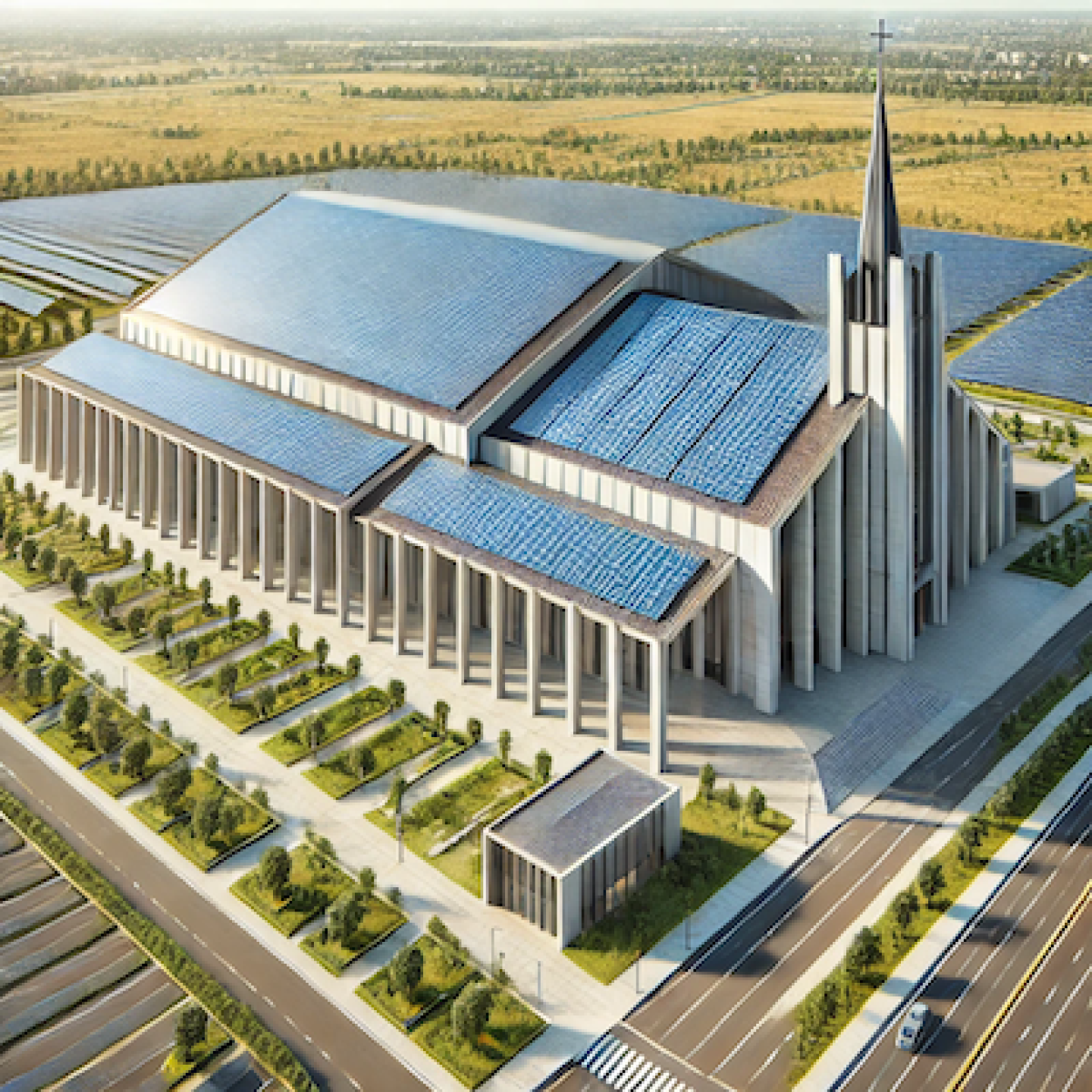
Super Chruch with Solar

Direct Pay Enables Churches and Non-Profits to Benefit From Solar Incentives

Understanding the Direct Pay Option Under the Inflation Reduction Act for Commercial Solar Projects

The Inflation Reduction Act (IRA) of 2022 introduces pivotal provisions designed to accelerate the adoption of clean energy technologies across the United States, with particular benefits for the commercial solar industry. Among these provisions, the Direct Pay option stands out as a transformative incentive for Commercial Solar Companies and Commercial Solar Contractors in Florida, offering a direct payment alternative to traditional tax credits. This article explores the steps, requirements, benefits, features, and future outlook of the Direct Pay option, emphasizing its impact on Commercial Solar Installations in Florida.

1. Overview of the Direct Pay Option for Commercial Solar

The Direct Pay option under the IRA allows tax-exempt entities such as state and local governments, tribal governments, not-for-profits, and rural electric cooperatives to benefit directly from federal clean energy incentives. Previously, these entities struggled to leverage tax credits due to their non-taxable status. Direct Pay simplifies this process by offering the value of the credits as direct payments. This shift is particularly advantageous for Commercial Solar Companies in Florida, making it easier to access federal incentives.

2. Eligibility and Steps for Utilizing Direct Pay in Commercial Solar

2.1 Eligibility Requirements

To leverage Direct Pay, Commercial Solar Contractors in Florida and other eligible entities must meet specific criteria:

  • The entity must be tax-exempt or have limited tax liability.
  • The project must involve renewable energy technologies such as solar, wind, or other specified clean energy solutions under the IRA.

2.2 Application Process

For Commercial Solar Installations, the application process involves:

  • Project Certification: The project must meet specific environmental and labor standards. Ensuring compliance is critical to qualify for Direct Pay.
  • Submission of IRS Forms: Entities must complete and submit relevant IRS forms detailing the project costs and expected credit amounts. Accuracy is essential, as any discrepancies may delay payment.
  • IRS Verification: The IRS may require additional documentation or conduct audits to verify the claims before disbursing payments. Entities should be prepared for potential reviews.

3. Conversion from Tax Credits to Direct Payments

3.1 Conversion Process

Entities initially planning to claim tax credits can choose to convert them to Direct Pay if eligible. The conversion process for Commercial Solar Installations involves:

  • Reassessment of Eligibility: Entities must confirm that both the project and the entity still meet the requirements under the Direct Pay provisions.
  • Adjusting Financial Projections: Financial models and projections may need to be revised to account for the immediate cash inflow from Direct Pay instead of deferred tax credits.
  • Coordination with Financial Institutions: If the project was initially financed based on tax credits, lenders and investors may need to adjust terms and expectations.

4. Benefits of Direct Pay for Commercial Solar Companies

4.1 Immediate Financial Impact

Direct Pay provides immediate liquidity, enhancing the financial feasibility of renewable energy projects for Commercial Solar Companies in Florida. The immediate access to funds allows for faster project initiation and smoother cash flow management.

4.2 Increased Project Viability

By converting tax credits into direct payments, more solar projects become financially viable. This is particularly beneficial for Commercial Solar Companies that previously struggled to fully benefit from tax credits due to limited tax liability.

4.3 Simplified Financial Planning

Direct payments simplify the accounting and financial planning for renewable projects, reducing the complexity associated with tax credit monetization. For many entities, the straightforward nature of Direct Pay is more appealing than navigating the complexities of traditional tax credits.

5. Features of the Direct Pay Option

5.1 Broad Applicability

Direct Pay applies to various renewable energy technologies, including solar, making it a versatile tool for clean energy deployment. Commercial Solar Companies in Florida can take advantage of this feature across multiple types of installations, from rooftop solar systems to large-scale solar farms.

5.2 No Cap on Payments

There is no cap on the amount of direct payments an eligible entity can receive, subject to the cost and scale of the eligible projects. This feature is particularly attractive to large-scale Commercial Solar Installations in Florida, where project costs can be substantial.

5.3 Compliance with Regulations

Entities must ensure compliance with all federal, state, and local regulations, including prevailing wage and apprenticeship requirements, to qualify for Direct Pay. This makes it crucial for Commercial Solar Contractors to be well-versed in labor standards and documentation.

6. Outlook and Future Implications for Solar Energy in Florida

6.1 Expansion of Renewable Projects

The Direct Pay option is expected to significantly expand the number and scale of renewable energy projects in the U.S., particularly benefiting the Commercial Solar Florida sector. As more tax-exempt entities embrace this option, the demand for solar installations is expected to rise sharply.

6.2 Policy Evolution

As the implementation of the IRA progresses, additional guidelines and refinements to the Direct Pay option may evolve. Commercial Solar Contractors in Florida should stay updated on new regulations and opportunities as they develop.

6.3 Economic Impact

The widespread adoption of Direct Pay is anticipated to stimulate local economies, create jobs in the clean energy sector, and contribute to energy independence and sustainability. The boost in Commercial Solar Installations will also drive technological advancements and cost reductions, benefiting businesses and communities alike.

Conclusion

The Direct Pay option under the Inflation Reduction Act represents a significant evolution in how renewable energy incentives are administered, providing direct economic benefits to a broader range of entities, including Commercial Solar Companies in Florida. As this policy tool is more widely adopted, its impact on the commercial solar landscape and its contribution to broader energy goals are expected to be profound and enduring.

References

  1. IRS Official Site - Direct Pay Guidance
  2. Energy.gov - Inflation Reduction Act Summary
  3. National Renewable Energy Laboratory - Direct Pay Analysis
  4. Environmental Law Institute - Overview of IRA Provisions
  5. Renewable Energy World - Direct Pay Impact on Projects


emerald-sun-energy-logo-600

Contact us

2151 Consulate Dr

Orlando, FL 32837

info@emeraldsunenergy.com

Office: (407) 504-0922

Florida Lic #CVC57145

Lic #EC13010058