Commercial Solar Installation in Florida

Commercial Solar vs. Traditional Generators: What’s Better for Hurricane Preparedness?

Florida businesses are no strangers to hurricanes and tropical storms. When severe weather hits, power outages can last for days or even weeks, severely impacting operations, profitability, and safety. For businesses looking to ensure energy resilience, the two primary options are commercial solar energy systems with battery storage or traditional generators powered by diesel or natural gas. But which is the better solution for hurricane preparedness? Let’s break it down.

Reliability During Power Outages

Commercial Solar + Battery Backup: Commercial solar energy systems with battery storage provide a continuous power supply even if the grid goes down. Solar panels generate electricity during the day, and excess energy is stored in batteries like Tesla Powerwall or Enphase Encharge, which can discharge energy at night or when needed.

Traditional Generators: Diesel and natural gas generators can provide immediate backup power when the grid fails, but they are only as reliable as their fuel supply. If fuel runs out and there is no way to replenish it, generators become useless during prolonged outages.

Winner: Commercial Solar + Battery Backup (No reliance on fuel deliveries)


Cost of Ownership

Commercial Solar + Battery Backup: While the upfront cost of installing a commercial solar system with battery backup can be significant, businesses can benefit from federal tax credits, depreciation, and incentives that lower costs. Over time, the system pays for itself through energy savings and potential net metering credits.

Traditional Generators: Generators have a lower initial cost than solar plus storage, but they come with ongoing expenses, including fuel, maintenance, and potential repairs. Additionally, fuel costs can spike during hurricanes when demand is high.

Winner: Commercial Solar + Battery Backup (Long-term savings and financial incentives)


Environmental Impact

Commercial Solar + Battery Backup: Solar power is a clean, renewable energy source that reduces a business’s carbon footprint. Battery storage eliminates the need for fossil fuels and does not produce emissions.

Traditional Generators: Diesel and natural gas generators emit greenhouse gases and contribute to air pollution. Prolonged generator use can also create noise pollution and fuel spills, which are hazardous to the environment.

Winner: Commercial Solar + Battery Backup (Eco-friendly and sustainable)


Ease of Maintenance

Commercial Solar + Battery Backup: Commercial solar panels require minimal maintenance, with most systems lasting 25+ years. Battery backup systems may require occasional software updates and monitoring but have no moving parts that wear down.

Traditional Generators: Generators require regular maintenance, including oil changes, fuel monitoring, and mechanical servicing to ensure reliability. Failure to maintain them properly can lead to malfunctions during critical times.

Winner: Commercial Solar + Battery Backup (Lower maintenance requirements)


Scalability and Future-Proofing

Commercial Solar + Battery Backup: Businesses can expand their commercial solar energy systems by adding more panels or batteries as energy needs grow. With Florida’s increasing focus on renewable energy, commercial solar power is a future-proof investment.

Traditional Generators: Generators have fixed capacity and may require costly upgrades if additional power is needed.

Winner: Commercial Solar + Battery Backup (Scalable and adaptable)


Fuel Supply and Availability

Commercial Solar + Battery Backup: Solar energy relies on the sun, which is an unlimited energy source. Even after a hurricane, once clouds clear, solar panels begin producing energy again.

Traditional Generators: Generators require fuel deliveries, which can be disrupted after hurricanes due to damaged infrastructure and supply chain issues.

Winner: Commercial Solar + Battery Backup (No fuel dependency)


Final Verdict: Which is Better for Hurricane Preparedness?

Feature Commercial Solar + Battery Backup Traditional Generators
Reliability ✅ No fuel dependency ❌ Requires fuel supply
Cost ✅ Long-term savings ❌ Ongoing fuel & maintenance costs
Environmental Impact ✅ Zero emissions ❌ Produces CO2 & pollution
Maintenance ✅ Low maintenance ❌ Regular servicing needed
Scalability ✅ Easily expandable ❌ Limited capacity
Fuel Supply ✅ Unlimited solar power ❌ Dependent on fuel deliveries

While both solutions have their advantages, commercial solar energy with battery backup offers the most reliable, cost-effective, and sustainable way to prepare for hurricane-related power outages. It eliminates fuel dependency, reduces operating costs, and contributes to a cleaner environment.

Emerald Sun Energy offers customized commercial solar and battery storage solutions to help businesses stay powered through any storm. Contact us today for a free consultation and find out how commercial solar power can keep your business running even when the grid goes down!

References:

  1. Florida Public Service Commission - Net Metering Policies
  2. U.S. Department of Energy - Solar Energy Technologies Office
  3. Database of State Incentives for Renewables & Efficiency (DSIRE) - Florida
  4. Solar Energy Industries Association - Commercial Solar Benefits
  5. National Renewable Energy Laboratory - Solar & Storage Economics


Solar Panels on home

How Solar Panels Work: A Simple Guide

Solar panels are transforming how we power our homes and businesses, offering a clean, renewable energy solution that reduces costs and supports sustainability. Whether you're considering working with a solar company, learning how solar energy works can help you make informed decisions. This guide explains the science behind solar panels, how they generate electricity, and why they’re a vital part of the future of renewable energy.


The Basics of Solar Energy

At the core of every solar power system is a remarkable process: converting sunlight into electricity through the photovoltaic (PV) effect. Here's how it works:


1. Capturing Sunlight

Solar panels are made up of many solar cells, usually constructed from silicon, a highly efficient semiconductor. When sunlight (composed of photons) strikes the panels, it is absorbed by the cells, triggering an energy-generating reaction.


2. Generating an Electric Current

The sunlight excites electrons in the silicon, causing them to move, creating a flow of electricity known as direct current (DC) electricity. This is the first step in harnessing the power of the sun to generate clean energy.


3. Converting DC to Usable AC Electricity

Since most homes and businesses operate on alternating current (AC) electricity, an inverter converts the DC electricity into AC power. This step ensures your solar power system can power everything from lights to appliances.


4. Distributing Electricity

The AC electricity flows into your electrical panel, distributing power throughout your home or business. Any excess energy generated can:

  • Be stored in a solar power system with batteries for later use.
  • Be sent back to the grid, earning you credits through programs like net metering.

5. Monitoring Performance

Modern solar energy systems come with monitoring tools that provide real-time data on energy production and consumption. This ensures your system is operating efficiently and helps you optimize savings.


Why Solar Panels Are an Effective Solution

  1. Sustainability: Solar power is a renewable energy source that reduces greenhouse gas emissions and reliance on fossil fuels.
  2. Cost Savings: Solar panels significantly reduce energy bills and offer long-term financial benefits.
  3. Energy Independence: With a solar installation, you’re less dependent on the grid and more in control of your energy supply.
  4. Durability: High-quality solar panels have a lifespan of 25-30 years, providing a reliable energy source with minimal maintenance.

Key Components of a Solar Power System

  1. Solar Panels: Capture sunlight and convert it into electricity.
  2. Inverter: Converts DC electricity into usable AC electricity.
  3. Mounting System: Secures panels to rooftops or the ground.
  4. Battery Storage: Stores excess energy for later use, enhancing energy independence.
  5. Monitoring System: Tracks performance and savings.

Conclusion

Solar panels are an integral part of transitioning to a sustainable energy future. By partnering with a trusted solar energy company, you can reduce costs, minimize your carbon footprint, and enjoy energy independence. Solar power is not just an investment in renewable energy; it’s an investment in a brighter, cleaner future.

For more information or to explore installing a solar power system, contact a reputable solar company today and start your journey toward renewable energy solutions.

References

Auto Dealer Webinar

Solar Webinar Designed for Auto Dealers

Join Anthony Fiorino for an Exclusive Webinar on Commercial Solar Energy for Auto Dealers and Property Owners

We’re excited to invite you to an exclusive webinar featuring Anthony Fiorino, tailored for auto dealers and commercial property owners looking to explore the benefits of solar energy. The event will take place on Wednesday, January 8, at 1:00 PM (EST).

This informative session will cover the latest updates on tax credits, incentives, purchasing options, and a case study to help you understand the potential of solar energy for your business.

Register here: Webinar Registration Link


What the Webinar Will Cover

1. Tax Credits and Solar Incentives for Commercial Solar

  • Learn how the 30% Investment Tax Credit (ITC) can significantly reduce the upfront cost of your commercial solar installation.
  • Discover how businesses can utilize the Modified Accelerated Cost Recovery System (MACRS) to recover installation costs through accelerated depreciation.
  • Updates on potential legislative changes and how they may impact commercial solar energy investments.

2. Solar Benefits and Available Incentives for Businesses

  • Cost Savings: Discover how solar energy can reduce operational costs and hedge against rising electricity rates.
  • Sustainability Goals: Learn how going solar aligns with corporate sustainability initiatives and improves your company’s ESG metrics.
  • Local Incentives: Explore state-specific programs, such as net metering and property tax exemptions, that enhance the financial benefits of solar energy.

3. Purchasing Options for Commercial Solar Installations

  • Cash Purchase: Maximize ROI and take full advantage of tax benefits.
  • Solar Leasing and PPAs: Explore options with no upfront cost, where you pay only for the energy generated or consumed.
  • Financing Options: Learn about specialized commercial loans and financing plans tailored for commercial solar projects.

4. Case Study: Financing a Commercial Solar Project for an Auto Dealership

  • A detailed case study of an auto dealership that financed a 500 kW solar installation.
  • How federal incentives and local rebates reduced costs by 40%.
  • Achieving a payback period of fewer than six years while generating over $250,000 in annual energy savings.

Why Attend?

This webinar is ideal for:

  • Auto Dealers: Learn how solar energy can reduce energy costs and support EV charging infrastructure.
  • Commercial Property Owners: Discover how solar installations can increase property value and attract tenants.
  • Business Leaders: Gain actionable insights into how solar energy can help achieve financial and sustainability goals.

Event Details

  • Date: Wednesday, January 8, 2025
  • Time: 1:00 PM EST
  • Location: Online (via Microsoft Teams)
  • Registration: Click here to register

References

  1. https://www.energy.gov/eere/solar/investment-tax-credit-itc - U.S. Department of Energy: Investment Tax Credit (ITC)
  2. https://www.seia.org/initiatives/commercial-solar - SEIA: Benefits of Commercial Solar
  3. https://www.nrel.gov - National Renewable Energy Laboratory: Solar Energy Research
  4. https://www.irs.gov/publications/pub946 - IRS: MACRS Depreciation for Solar Installations
  5. https://www.dsireusa.org - DSIRE: State and Local Solar Incentives

Take advantage of this opportunity to learn how solar energy can transform your business. Register now and start exploring the potential of solar energy for your commercial property!

Commercial Solar Building

The Business Case for Commercial Solar: Why Now is the Perfect Time to Invest

Investing in commercial solar energy is a strategic decision that offers both financial and environmental advantages for businesses of all sizes. As energy costs rise and sustainability becomes a central focus for customers and stakeholders, transitioning to solar power is not just an opportunity—it’s a necessity. With attractive tax incentives, rapid advancements in solar technology, and increasing corporate sustainability goals, there has never been a better time to invest in solar energy.

This article explores the key benefits of commercial solar, the incentives available, and why businesses should act now.


Why Commercial Solar is a Smart Investment

1. Rising Energy Costs

Electricity rates have been climbing steadily, creating unpredictability in operating expenses for businesses. Solar energy offers a long-term solution by stabilizing energy costs:

  • Businesses can significantly reduce or eliminate their reliance on utility-provided electricity.
  • Solar panels generate clean, free energy during their lifespan, which typically exceeds 25 years.

For example, a business paying $10,000 annually on electricity can save over $250,000 over 25 years by switching to solar energy.

2. Attractive Tax Incentives

The 30% Investment Tax Credit (ITC) makes solar energy installations more affordable for businesses. Key benefits include:

  • Claiming 30% of the total installation cost as a federal tax credit.
  • Utilizing the Modified Accelerated Cost Recovery System (MACRS) to recover solar costs through accelerated depreciation over five years, increasing financial savings.

Businesses in regions like Florida and New York can also benefit from local incentives, which reduce upfront costs and enhance return on investment.

3. Corporate Sustainability Goals

Adopting solar energy aligns with Environmental, Social, and Governance (ESG) objectives:

  • Reducing carbon emissions enhances corporate reputation.
  • Many companies find that sustainability commitments attract eco-conscious customers and partners.

4. Energy Independence and Resilience

Solar energy systems paired with battery storage protect businesses against power outages, ensuring continuity of operations:

  • This is especially valuable in regions prone to severe weather or grid disruptions.
  • Battery storage allows businesses to store excess energy and use it during peak demand times.

5. Financial ROI and Increased Property Value

Commercial properties with solar installations often experience increased valuation:

  • Solar installations lower operational costs, which can make properties more attractive to buyers and tenants.
  • Solar energy systems can pay for themselves within 5-10 years, with financial returns continuing for decades.

Key Considerations for Businesses Transitioning to Solar

System Customization

  • Businesses should work with experienced solar installers to design a system that meets their energy needs.
  • Factors such as system size, roof space, and energy goals play a critical role.

Available Incentives

  • Businesses should leverage state-specific incentives, federal tax credits, and utility-based programs to maximize savings.
  • Incentives like the Domestic Content Bonus offer additional credits for using U.S.-manufactured components.

Energy Monitoring

  • Advanced monitoring systems allow businesses to track energy production and consumption in real time, ensuring optimal system performance.

Choosing the Right Solar Partner

  • A reputable commercial solar company will handle system design, permitting, installation, and long-term maintenance, ensuring quality and reliability.

Why Act Now?

1. Tax Incentives Are Time-Sensitive

  • The Investment Tax Credit (ITC) and other incentives may decrease or phase out in the future. Acting now secures the highest benefits available.

2. Competitive Advantage

  • Adopting solar energy demonstrates corporate leadership and commitment to sustainability, creating a positive image among customers and stakeholders.

3. Lower Installation Costs

  • Solar panel prices have dropped by over 70% in the past decade. Businesses can capitalize on these reduced costs while incentives remain strong.

Conclusion

Switching to commercial solar energy offers unparalleled opportunities for businesses to reduce costs, meet sustainability goals, and enhance energy independence. With federal and state incentives, long-term financial benefits, and advancements in solar technology, there’s no better time to invest. Partner with a trusted commercial solar company to design a solution that meets your energy needs and positions your business for a sustainable future.


References:

  1. https://www.energy.gov/eere/solar/investment-tax-credit-itc - U.S. Department of Energy: Investment Tax Credit (ITC)
  2. https://www.nrel.gov - National Renewable Energy Laboratory: Benefits of Solar Energy
  3. https://www.seia.org/initiatives/commercial-solar - SEIA: Commercial Solar Overview
  4. https://www.irs.gov/publications/pub946 - IRS: MACRS Depreciation for Solar Installations
  5. https://www.dsireusa.org - DSIRE: State and Local Solar Incentives
Megawatt exemption

Commercial Solar - Domestic Content Bonus's Hidden Gem Every Business Should Know About

Review of the Domestic Content Bonus: Megawatt Exemption, Safe Harbor, and Apprenticeship Requirements for 2024 and 2025

The Domestic Content Bonus under the Inflation Reduction Act (IRA) provides additional tax incentives for commercial solar projects that incorporate U.S.-manufactured components. For businesses investing in commercial solar installation, understanding the requirements of the Domestic Content Bonus can be crucial to maximizing tax credits. This article will review the key aspects of the bonus, including the megawatt exemption, safe harbor provisions, and the apprenticeship program requirements for large commercial projects in 2024 and 2025.


What is the Domestic Content Bonus?

The Domestic Content Bonus offers an extra tax credit on top of the Investment Tax Credit (ITC) for commercial solar projects using a specific percentage of U.S.-sourced materials. For commercial solar energy systems, this bonus can increase the ITC from 30% to as much as 40% if the system meets the domestic content standards.

To qualify, projects must use steel, iron, and manufactured products predominantly made in the U.S., as outlined by the Department of Treasury. This bonus credit incentivizes commercial solar developers to source materials domestically, creating a positive economic impact and supporting American manufacturing.


Understanding the Megawatt Exemption

The megawatt exemption is an essential factor in determining compliance requirements based on project size:

  1. Projects under 1 Megawatt (MW):
    • Small-scale commercial solar systems below 1 MW are generally exempt from strict domestic content requirements.
    • These projects can still pursue the bonus credit but aren’t obligated to meet all requirements, making it easier for small and mid-sized commercial solar companies to access the bonus without added regulatory burdens.
  2. Projects 1 MW and Above:
    • Commercial solar projects with a capacity of 1 MW or more must fully comply with domestic content requirements to receive the bonus.
    • These large-scale commercial solar installations need a specific percentage of U.S.-sourced steel, iron, and other components, with percentages set by the Department of Treasury for 2024 and 2025.
    • Additionally, projects over 1 MW must meet an apprenticeship program requirement to qualify for the full credit.

Apprenticeship Program Requirement for Projects Over 1 MW

For commercial solar projects exceeding 1 MW, there’s an apprenticeship requirement that contributes to workforce development within the solar industry:

  1. Employment of Apprentices:
    • The project must employ a certain percentage of labor from registered apprenticeship programs, which is set by the Department of Labor and ensures a portion of the workforce is in training to build skills in commercial solar energy.
  2. Labor Hours Requirement:
    • Projects over 1 MW must allocate a percentage of total labor hours to apprentices. In 2024, this requirement is set at 12.5% and will increase to 15% in 2025. This applies across a range of roles within the commercial solar installation process, from assembly to technical operations.
  3. Qualified Apprenticeship Programs:
    • Only apprentices from certified programs are eligible under this requirement. This ensures that the workforce is trained to meet industry standards and requirements.
  4. Good Faith Efforts:
    • If a commercial solar contractor cannot meet the apprenticeship requirement despite good faith efforts, they may still qualify by demonstrating an effort to hire apprentices. This provision requires documentation of outreach to apprenticeship programs and the reason for any shortfalls in meeting the threshold.

The apprenticeship requirement supports job creation in the commercial solar sector and provides an opportunity for emerging professionals to gain hands-on experience in renewable energy.


Safe Harbor Requirements for 2024 and 2025

Safe harbor provisions offer commercial developers a means to lock in the current incentive rates and eligibility criteria, even if changes occur after project commencement. For projects starting in 2024 and 2025, safe harbor is critical to securing the Domestic Content Bonus:

  1. Commencement of Construction:
    • Commercial solar projects must begin construction by meeting IRS guidelines, such as incurring at least 5% of the project cost or demonstrating physical work. Starting construction in 2024 or 2025 allows projects to “safe harbor” under the current rules, even if requirements change later.
  2. Procurement of Domestic Content Components:
    • Projects that secure U.S.-made components in 2024 or 2025 may qualify under safe harbor, which locks in compliance with current domestic content requirements.
  3. Ongoing Compliance Tracking:
    • Large commercial projects need detailed records of domestic sourcing and apprenticeship compliance. Documentation of vendor contracts, invoices, and apprenticeship certifications is essential for verification by the IRS or Treasury Department.

Safe harbor provisions provide stability for commercial solar projects, ensuring that qualifying projects can access the full bonus without uncertainty from regulatory changes.


Conclusion

The Domestic Content Bonus offers a powerful incentive for commercial solar projects that incorporate U.S.-manufactured components and support workforce development through apprenticeships. For projects over 1 MW, the apprenticeship requirement plays a crucial role in qualifying for the tax credit. Safe harbor provisions for 2024 and 2025 offer developers security in compliance planning, helping the commercial solar industry grow while contributing to U.S. job creation and manufacturing. By understanding these requirements, commercial solar companies can strategically plan projects that maximize federal incentives.


References:

  1. https://www.energy.gov/eere/solar/articles/solar-power-america - U.S. Department of Energy: Solar Power in America
  2. https://www.irs.gov/pub/irs-pdf/f5695.pdf - IRS Form 5695: Residential Energy Credits (for reference on tax credits)
  3. https://www.seia.org/initiatives/domestic-content-bonus - Solar Energy Industries Association: Domestic Content Bonus Overview
  4. https://www.treasury.gov/initiatives/domestic-content - U.S. Department of Treasury: Domestic Content Bonus Guidelines
  5. https://www.dol.gov/general/topic/training/apprenticeship - U.S. Department of Labor: Apprenticeship Programs
Solar Orlando Tax Credit

The 5 Most Important Variables When Shopping for Solar for Your Home in Florida

When shopping for Solar Orlando energy systems in Florida, it’s essential to consider several key factors that will impact your long-term savings and the performance of your system. This guide covers the five most important variables homeowners should focus on when selecting a solar energy solution, optimized for the Florida market.


1. System Size and Energy Needs

  • Why It’s Important: The size of the solar system should be based on your home’s specific energy requirements. In Florida, where sunshine is abundant, optimizing your system size can lead to maximum savings.
  • How to Evaluate: Review your past energy bills to calculate your average monthly electricity usage. This will help determine the kilowatt capacity your system should have. You may also want to account for future energy needs if you plan to add new appliances or an electric vehicle.
  • Tip for Florida: Florida’s high energy consumption due to air conditioning makes it even more important to choose a system that offsets a large portion of your electricity use.

2. Solar Panel Efficiency

  • Why It’s Important: Higher efficiency panels produce more electricity from the same amount of sunlight, which is especially beneficial for homes with limited roof space.
  • How to Evaluate: Look for panels with efficiency ratings above 19%. High-efficiency panels, like those from SunPower and Panasonic, are ideal for Florida homes with high electricity consumption and space constraints.
  • Tip for Florida: Consider panels that perform well in hot climates, as Florida’s heat can reduce the efficiency of some solar panels.

3. Roof Condition and Orientation

  • Why It’s Important: Your roof’s condition and its exposure to sunlight are critical factors in the effectiveness of your solar installation. Florida homes typically have more roof space and favorable sun exposure, making them prime candidates for solar.
  • How to Evaluate: Ideally, your roof should face south to capture the most sunlight, but east or west-facing roofs can also work with some efficiency loss. In Florida, roofs should be able to withstand the high winds of hurricane season, so make sure they’re in good condition.
  • Tip for Florida: Make sure your solar installer evaluates your roof’s ability to handle both the solar system’s weight and the potential impact of hurricane-force winds.

4. Financial Incentives and Solar Financing

  • Why It’s Important: Florida offers various solar incentives, and choosing the right financing option can maximize your return on investment.
  • How to Evaluate: Take advantage of the federal Investment Tax Credit (ITC), which allows you to deduct 30% of the system cost from your federal taxes. Additionally, Florida has property tax exemptions and net metering policies that can further reduce your long-term costs.
  • Tip for Florida: Net metering policies in Florida allow you to sell excess electricity back to the grid, providing an additional financial benefit. Be sure to explore solar financing options such as solar loans, which can spread out the costs over time.
  • References:
    1. Florida Solar Incentives - Energy.gov
    2. Solar Investment Tax Credit - SEIA
    3. Net Metering in Florida - Solar United Neighbors

5. Warranties and Company Reputation

  • Why It’s Important: Solar is a long-term investment, so working with a reputable solar company in Florida and ensuring your panels come with solid warranties is crucial for protecting your investment.
  • How to Evaluate: Look for panels with at least a 25-year warranty. Additionally, ensure that your installer offers a workmanship warranty to cover any issues that may arise during installation.
  • Tip for Florida: Florida’s climate can be tough on solar systems, so choose companies that have extensive experience installing solar panels in the state’s unique weather conditions.

Conclusion

When shopping for Solar Orlando or in Florida, carefully considering your energy needs, solar panel efficiency, roof condition, financial incentives, and warranties will help you make the best investment. Florida’s abundant sunshine, combined with strong incentives, makes it an ideal state for going solar. By optimizing your decision around these key factors, you can maximize your savings and ensure your solar system performs effectively for decades to come.


References:

  1. https://www.energy.gov/eere/solar/articles/solar-power-florida
  2. https://www.seia.org/initiatives/solar-investment-tax-credit-itc
  3. https://www.solarunitedneighbors.org/florida/go-solar-in-florida/net-metering-florida/
  4. https://www.floridasolarenergy.org
  5. https://www.dsireusa.org

Solar Tax Credit ITC

Solar Tax Credit: The Whole Story

Solar Tax Credit: The Whole Story

The federal Solar Investment Tax Credit (ITC) is a powerful incentive for both residential and commercial property owners to invest in solar energy systems. This article will explain the Solar Tax Credit, how to file for it, who qualifies, and who doesn’t qualify, with a focus on optimizing for general solar energy keywords such as Solar Company, Solar Installation Company, and Renewable Energy.


What Is the Solar Tax Credit?

The Solar Investment Tax Credit (ITC) allows solar energy system owners to deduct a percentage of their installation costs from their federal taxes. Established through the Energy Policy Act of 2005, the credit was designed to encourage the adoption of solar energy.

As of 2024, the ITC covers 30% of the total cost of installing a solar power system, making it a highly attractive benefit for anyone looking to lower their energy bills. Whether you are a business owner working with a solar company or a homeowner managing your own installation, the ITC can provide significant savings on the upfront costs of installing a solar power system.

For example, if a business spends $100,000 on a solar energy system, the tax credit allows for a $30,000 reduction in their federal tax liability.


How to File for the Solar Tax Credit

Filing for the Solar ITC is a relatively straightforward process and can be done when filing your federal taxes. Follow these steps:

  1. Complete IRS Form 5695 (for residential systems) or Form 3468 (for commercial solar installations):
    • These forms calculate the amount of credit you are eligible to receive.
  2. Enter the Credit on Your 1040:
    • Once you’ve calculated your credit, you will enter it on your individual or corporate tax return.
  3. Keep Documentation:
    • Although you don’t need to submit invoices with your tax return, it’s essential to keep these records for future reference, especially if you are audited.

For commercial property owners, consulting a tax professional may help ensure all tax credits and deductions are properly applied.


Who Qualifies for the Solar Tax Credit?

Most property owners working with a solar installation company to add solar energy to their homes or businesses will qualify for the credit, provided they meet the following criteria:

  1. System Ownership:
    • The tax credit is available to those who purchase their solar energy systems, either outright or through financing. If a third party owns the system (such as in a solar lease), the leasing company would typically claim the credit.
  2. Federal Tax Liability:
    • The credit is non-refundable, meaning it can reduce your tax liability to zero, but any unused amount can be carried forward to future years.
  3. System Location:
    • The system must be installed on property you own within the United States, whether it’s for your home or business.
  4. Timing:
    • The system must be installed by December 31, 2032, to claim the full 30% credit. After 2032, the credit percentage begins to decrease unless Congress extends the program.

Who Doesn’t Qualify for the Solar Tax Credit?

While the tax credit is available to many, there are some instances where it cannot be claimed:

  1. Leased Systems:
    • If you lease your system from a solar power company, you do not qualify for the tax credit. The leasing company, as the owner of the system, will receive the credit.
  2. Community Solar Subscribers:
    • If you are part of a community solar program where you pay for a share of a large solar project, you likely do not qualify for the tax credit unless you own the part of the system that provides power to your home or business.
  3. Those Without Federal Tax Liability:
    • If you do not owe federal taxes, you will not benefit from the tax credit in the current year. However, the unused portion can be carried forward to offset future tax liabilities.
  4. Non-U.S. Installations:
    • The solar energy system must be installed within the United States to qualify.

Conclusion

The Solar Tax Credit is a significant incentive for homeowners and businesses looking to adopt renewable energy and reduce electricity costs. Whether you are working with a solar installation company for a commercial project or looking to install solar panels on your home, understanding the details of the ITC is crucial. By taking advantage of the 30% tax credit, you can reduce the overall cost of transitioning to solar power and enhance your long-term savings.


References:

  1. IRS Form 5695 - Residential Energy Credits
  2. Energy.gov - Solar Tax Credit
  3. Solar ITC Overview - SEIA
  4. IRS Form 3468 - Investment Tax Credit for Businesses
  5. Energy Sage - Solar ITC Guide
Commercial Solar Insurance

Comprehensive Guide to Insuring Commercial Solar Panels in Florida

Commercial solar systems are a significant investment for businesses, requiring proper insurance to protect against potential risks. In this guide, we’ll discuss the essential types of insurance for commercial solar installations and list the insurance providers in Florida that offer solar-friendly policies for businesses.


Section 1: Types of Insurance for Commercial Solar Panels

Commercial solar systems need specific types of insurance coverage to protect the investment and ensure business continuity. Here are the key policies every business should consider:

1. Property Insurance

  • Purpose: Covers physical damage to solar panels from events like fire, theft, vandalism, storms, and more.
  • Commercial Application: Solar energy systems are a critical business asset. This coverage protects the system against physical damages that can interrupt energy production, ensuring financial protection for repairs or replacements.

2. Business Interruption Insurance

  • Purpose: Compensates for lost income if the solar system becomes inoperative due to damage.
  • Commercial Application: Businesses that rely on solar energy for operations or revenue generation (via incentives like net metering) should consider this insurance to mitigate the risk of lost revenue.

3. Equipment Breakdown Insurance

  • Purpose: Covers mechanical or electrical failures in critical solar system components like inverters and energy storage systems.
  • Commercial Application: Since solar systems are complex and rely on multiple components to operate efficiently, this coverage ensures swift repairs or replacements, minimizing downtime.

4. General Liability Insurance

  • Purpose: Protects the business from liability if the solar installation causes injury or property damage to third parties.
  • Commercial Application: This is crucial for commercial solar installations, particularly for systems installed in high-traffic areas or on large properties, where accidents may occur.

5. Inland Marine Insurance

  • Purpose: Covers solar panels during transportation or installation, particularly important for ground-mounted systems or remote projects.
  • Commercial Application: Commercial projects often involve moving large solar systems to various locations. Inland marine insurance covers losses or damages during transit​

    ​

    .


Section 2: Insurance Providers for Commercial Solar Panels in Florida

Several insurance providers in Florida offer specialized coverage to protect commercial solar energy systems. Here are some leading companies:

1. Travelers Insurance

  • Offerings: Travelers offers a wide range of commercial solar insurance solutions, including property coverage, general liability, and equipment breakdown insurance. These are designed to protect solar assets from installation through to full operation, making them ideal for businesses and utility-scale installations​

    .

2. State Farm

  • Offerings: State Farm includes solar panel coverage in its standard commercial property insurance policies, ensuring protection against damage from events like hurricanes and hailstorms. This is critical for businesses operating in Florida’s high-risk weather environment​

    .

3. Universal Property & Casualty Insurance

  • Offerings: Universal provides coverage specifically for solar systems, with limits up to $15,000 and a $500 deductible, which can be increased for larger commercial installations. This coverage is tailored to businesses and offers financial protection against a wide range of risks​

    ​

    .

4. American Integrity Insurance

  • Offerings: Known for its comprehensive commercial solar coverage, American Integrity specializes in policies that include hurricane damage protection after meeting the deductible. This insurer is recognized by FlaSEIA (Florida Solar Energy Industries Association) for its solar-friendly policies​

    ​

    .

5. Citizens Property Insurance Corporation

  • Offerings: As Florida’s state-run insurer, Citizens Property offers solar panel coverage for commercial properties, including protection against hurricane-related risks. This is particularly important for businesses in Florida, where extreme weather events are frequent​

    .


Conclusion

For commercial solar installations, it’s essential to have a comprehensive insurance strategy that covers physical damage, business interruptions, equipment breakdowns, and liability risks. Businesses should evaluate their specific needs and partner with providers like Travelers, State Farm, or American Integrity to ensure full protection. These insurers offer robust coverage tailored to the unique risks associated with commercial solar energy projects, making them ideal partners for safeguarding your renewable energy investment.


References:

  1. Travelers Insurance - Commercial Solar Insurance
  2. Universal Property & Casualty Insurance - Solar Panel Coverage
  3. American Integrity Insurance - Florida Solar Insurance
  4. Citizens Property Insurance Corporation - Solar Panel Coverage
  5. State Farm - Solar Insurance Coverage
IRA for Commercial Solar Projects

Understanding the Apprenticeship Program in the Domestic Content Bonus from the Inflation Reduction Act for Commercial Solar Projects

Understanding the Apprenticeship Program in the Domestic Content Bonus from the Inflation Reduction Act for Commercial Solar Projects

The Inflation Reduction Act (IRA) introduces numerous incentives aimed at promoting renewable energy, particularly for commercial solar companies and other large-scale energy projects. One of the key provisions of the IRA is the Domestic Content Bonus, which offers additional tax credits for projects that use U.S.-manufactured components. However, the apprenticeship program requirement is another critical aspect tied to these incentives.

In this article, we will explore how the apprenticeship program integrates into the Domestic Content Bonus, explain the key elements of the apprenticeship requirements, and provide an overview of the record-keeping guidelines needed to ensure compliance for commercial solar contractors near me.


The Domestic Content Bonus Overview for Commercial Solar Companies

The IRA provides two major tax incentives for renewable energy projects: the Investment Tax Credit (ITC) and the Production Tax Credit (PTC). The Domestic Content Bonus can add up to an additional 10% to the ITC for qualifying commercial solar installations that meet specific U.S. material sourcing requirements, offering up to 40% in ITC credits for compliant projects.

However, in addition to the use of U.S.-manufactured components, commercial solar contractors must also adhere to labor provisions, including the employment of apprentices, to fully benefit from the IRA’s tax credits. This supports workforce development in the renewable energy sector, creating more opportunities for skilled labor.


Key Elements of the Apprenticeship Program for Commercial Solar Projects

The apprenticeship program is a critical component of the IRA's Domestic Content Bonus. Commercial solar companies must ensure that apprentices are part of their workforce during the construction phase of the project. Here are the key elements:

1. Mandatory Apprentice Participation

To qualify for the Domestic Content Bonus, commercial solar contractors must ensure that apprentices perform a percentage of total labor hours on the project. The required apprentice labor percentage increases over time:

  • 10% of total labor hours for projects beginning construction in 2022 and 2023.
  • 12.5% of total labor hours for projects beginning in 2024.
  • 15% of total labor hours for projects starting in 2025 and beyond.

This requirement applies to labor hours completed by contractors and subcontractors working on the construction, alteration, or repair of the commercial solar project.

2. Use of Qualified Apprentices

Apprentices involved in the project must be enrolled in a registered apprenticeship program that is recognized by the U.S. Department of Labor or state apprenticeship agencies. This ensures that apprentices receive the necessary hands-on training and education to advance their careers in the solar energy industry.

3. Apprentice-to-Journeyworker Ratios

Each contractor and subcontractor on the project must meet the apprentice-to-journeyworker ratio mandated by the registered apprenticeship program. This ratio ensures that apprentices are supervised by experienced journeyworkers, promoting safe, high-quality installations.

For example, an industry-standard ratio might require one apprentice for every three or four journeyworkers on the job site. This ratio must be observed to remain compliant with the IRA’s apprenticeship requirements.

4. Supervision and Training of Apprentices

Apprentices working on commercial solar installations must be supervised by skilled journeyworkers. These experienced professionals are responsible for training apprentices, maintaining safety standards, and ensuring that the work performed by apprentices meets the required quality levels.

5. Waivers for Apprentice Requirements

If a project is unable to meet the apprenticeship requirements due to a lack of available apprentices, commercial solar companies can apply for a good-faith effort waiver. However, the project developer must provide documentation proving their attempts to hire apprentices, including outreach to local apprenticeship programs.


How the Apprenticeship Program Benefits Commercial Solar Companies

The apprenticeship program associated with the Domestic Content Bonus offers several important benefits for commercial solar contractors:

  1. Meeting Skilled Labor Demand: As the commercial solar industry expands, the demand for skilled labor continues to grow. By incorporating apprentices, the program ensures that new workers are trained and ready to meet this demand, helping to mitigate labor shortages.
  2. High-Quality Installations: Apprenticeship programs provide structured training, ensuring that apprentices receive both formal education and hands-on experience. This results in higher-quality solar installations, increasing the reliability and longevity of commercial solar panels.
  3. Increased ROI for Commercial Solar Projects: By complying with the apprenticeship requirements, commercial solar companies can access the full tax credit benefits, enhancing the return on investment for their solar projects. The combination of tax credits and a trained workforce creates a win-win scenario for contractors and investors alike.
  4. Job Creation and Economic Growth: Apprenticeship programs create pathways to employment for new workers, contributing to job creation and economic development in the renewable energy sector. This benefits both the local workforce and the national economy.

Record Keeping and Compliance for Apprenticeship Requirements in Commercial Solar

Maintaining accurate records is essential to ensuring compliance with the IRA’s apprenticeship requirements. For commercial solar contractors, meticulous record keeping is critical to accessing the full tax credits associated with the Domestic Content Bonus. Here are the key guidelines:

1. Tracking Labor Hours

  • Labor Hour Documentation: Commercial solar contractors must track the total labor hours on each project, distinguishing between apprentice and journeyworker hours. These records must include labor performed by contractors and subcontractors.
  • Apprentice Labor Records: Projects must keep separate records for apprentice labor hours to ensure they meet the required percentage (e.g., 10% in 2023, 15% in 2025).

2. Certification of Apprenticeship Program Participation

  • Proof of Apprenticeship: Developers must maintain documentation proving that apprentices are enrolled in registered apprenticeship programs. Certification from the U.S. Department of Labor or state agencies must be readily available for audit purposes.

3. Ratio Compliance Records

  • Apprentice-to-Journeyworker Ratio Compliance: Projects must document that they are meeting the required apprentice-to-journeyworker ratios as stipulated by the registered apprenticeship programs.

4. Waiver Documentation

  • Good-Faith Effort Records: If a waiver is sought due to the unavailability of apprentices, developers must maintain records showing their efforts to hire apprentices. This includes outreach documentation to apprenticeship programs.

5. Reporting Requirements

  • Annual Reports: Commercial solar contractors may need to submit reports to the IRS or the U.S. Department of Labor that detail apprentice participation, total labor hours, and compliance with apprenticeship requirements. Accurate reporting is critical to maintaining eligibility for tax credits.

Conclusion

The apprenticeship program requirement tied to the Domestic Content Bonus within the Inflation Reduction Act offers significant advantages for commercial solar companies. Not only does it help meet the demand for skilled labor, but it also enhances the quality of solar installations and supports long-term economic growth in the renewable energy sector.

By adhering to the apprenticeship requirements and maintaining accurate records, commercial solar contractors can unlock the full benefits of the IRA’s tax credits while contributing to the development of a skilled workforce. This combination of workforce development and financial incentives ensures the future success of the commercial solar industry.


References

  1. U.S. Department of Labor - Registered Apprenticeship Programs
  2. Inflation Reduction Act Overview
  3. Internal Revenue Service - Tax Credit Guidance
  4. SEIA - Solar Energy Industries Association on IRA Provisions
  5. Apprenticeship in the Renewable Energy Sector
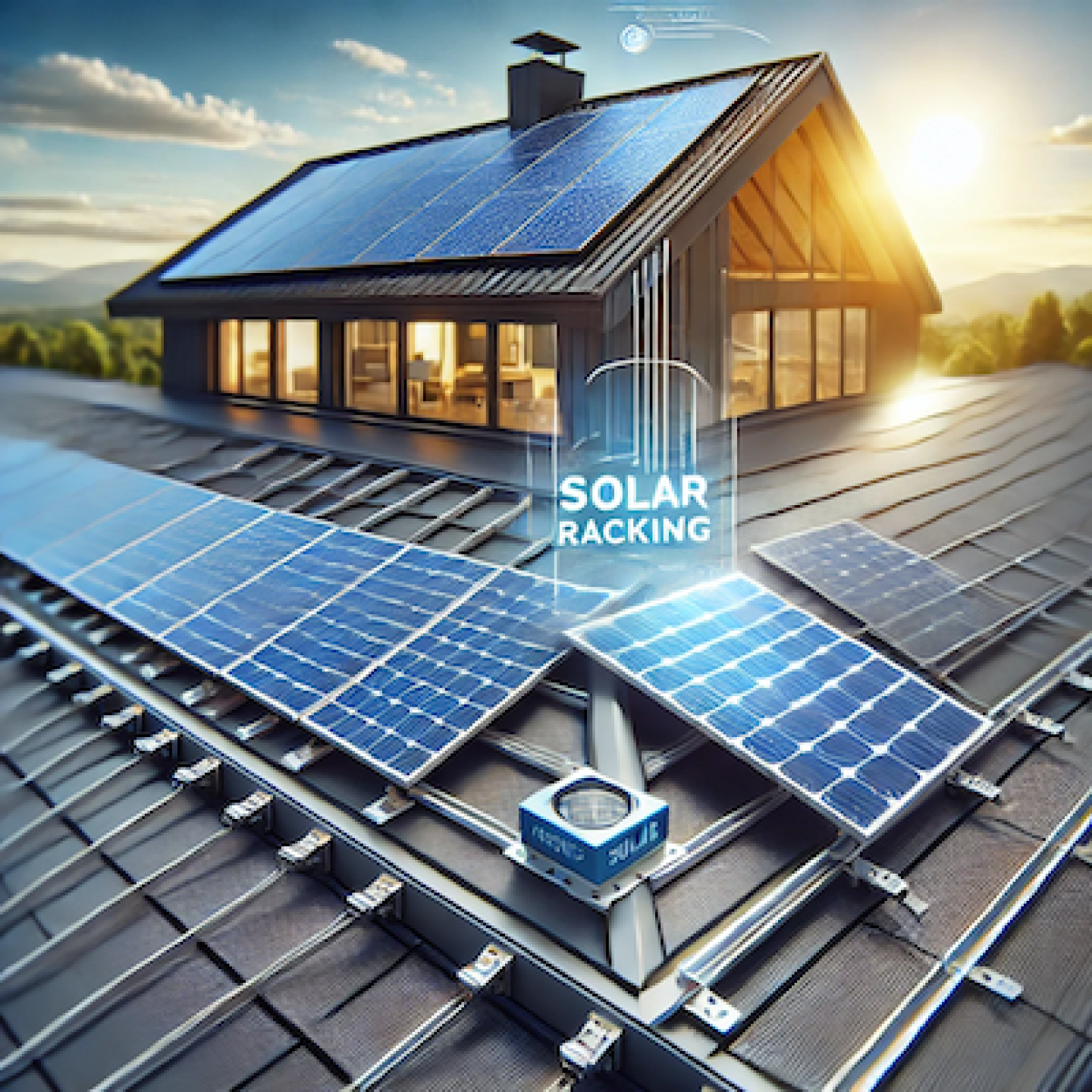
Solar Racking

Product Spotlight: Solar Stack Solar Racking System

Product Spotlight: Solar Stack Solar Racking System

As the solar industry continues to innovate, solar racking systems have become more advanced, offering efficient, durable, and installation-friendly solutions. One standout system is the Solar Stack racking system, designed to simplify the process of installing solar panels on residential and commercial properties. With its non-penetrating approach and ability to work on various roof types, Solar Stack is gaining popularity among solar energy companies.

This article will explore Solar Stack’s main features, how it works, the key benefits of using it, and some potential concerns to consider for your solar installation company.


Main Features of Solar Stack

  1. Non-Penetrating System
    Solar Stack is a non-penetrating solar racking system, which means it doesn’t require drilling holes into the roof for installation. It uses a high-strength adhesive foam to secure the racking system to the roof, making it a popular choice for solar panel installers looking to avoid roof damage.
  2. Works on Various Roof Types
    The Solar Stack system can be used on a variety of roof types, including flat and sloped roofs. It is highly compatible with roofing materials such as TPO, EPDM, concrete, and modified bitumen, making it a versatile option for solar installation companies working on diverse projects.
  3. Wind Load and Durability
    Solar Stack is tested and certified to withstand high wind loads, meeting the strict Miami-Dade County NOA (Notice of Acceptance) standards. This makes it a top choice for solar installations in hurricane-prone areas where wind uplift requirements are stringent.
  4. Quick Installation Process
    Since Solar Stack requires no mechanical fasteners or roof penetrations, it significantly speeds up the installation process. This can reduce labor time for solar energy companies and allow for faster project completion.

How Solar Stack Works

The Solar Stack racking system uses a foam adhesive that is applied directly to the roof’s surface. The foam creates a strong, permanent bond with the roof, eliminating the need for roof penetrations. Once the adhesive has cured, mounting blocks are installed on top of the foam to securely hold the solar panels in place. The system is designed to provide a stable foundation for solar power systems while maintaining the integrity of the roof structure.


Main Benefits of Solar Stack

  1. No Roof Penetrations
    One of the biggest advantages of the Solar Stack system is that it eliminates the need for roof penetrations. This greatly reduces the risk of roof leaks, water damage, or voiding roof warranties. For property owners who are concerned about maintaining their roof’s longevity, this is a major selling point.
  2. Faster Installation
    Solar Stack’s adhesive system allows for much faster installation compared to traditional racking methods. This can reduce the overall project timeline for solar contractors, which in turn leads to cost savings.
  3. Hurricane Resistance
    Solar Stack is engineered to withstand high wind speeds, making it an excellent choice for properties located in areas prone to hurricanes or extreme weather. Its wind resistance, combined with the non-penetrating installation method, ensures that the solar panels remain securely attached even under harsh conditions.
  4. Lightweight
    The Solar Stack system is lightweight, which reduces the load on the roof. This is beneficial for older buildings or roofs that have lower load-bearing capacity, making it easier for solar energy companies to install without major structural modifications.
  5. Preserves Roof Warranty
    Since Solar Stack is a non-penetrating solution, it is less likely to void roof warranties. This is a crucial advantage for homeowners and commercial property owners who want to ensure their roof’s warranty remains intact after a solar power system installation.

Possible Concerns

  1. Adhesive Reliability Over Time
    Although the adhesive used by Solar Stack is rigorously tested, there may be concerns about its long-term durability in certain climates, such as areas with extreme heat or heavy rain. Over time, adhesives can degrade, potentially compromising the system’s security.
  2. Roof Type Limitations
    While Solar Stack is compatible with many roof types, it may not be suitable for every roofing material or configuration. For example, roofs with very steep pitches or certain coatings may have bonding issues with the adhesive, requiring further assessment before installation.
  3. Installer Expertise
    Since Solar Stack is a relatively new technology, not all solar contractors may be experienced with its installation process. It’s important to work with certified or experienced installers to ensure the adhesive is applied correctly.

Conclusion

The Solar Stack racking system offers a highly efficient, non-invasive solution for mounting solar panels on various roof types. With benefits such as faster installation, no roof penetrations, and resistance to high winds, it is an ideal option for property owners in areas with harsh weather conditions, particularly hurricane-prone regions. However, careful consideration of the roof type and long-term adhesive reliability is essential to ensure a successful installation.

For solar companies, Solar Stack can be a game-changer in terms of installation efficiency and reducing risks associated with traditional racking methods. By consulting experienced installers, you can make the best decision for your solar project and ensure a long-lasting, high-performance solar energy system.


References

  1. Solar Stack Racking System Overview
  2. Miami-Dade NOA Certification
  3. Roofing Materials and Solar Installations
  4. Wind Load Standards and Solar Panels
  5. Preserving Roof Warranty with Solar


emerald-sun-energy-logo-600

Contact us

2151 Consulate Dr

Orlando, FL 32837

info@emeraldsunenergy.com

Office: (407) 504-0922

Florida Lic #CVC57145

Lic #EC13010058